When executing a commercial lighting design, the direction of the light is just as critical as the hardware itself. At Keyida, our 25 years of experience as a premier outdoor lighting manufacturer have taught us that selecting the right fixture is only the beginning. How that fixture interacts with the surrounding landscape dictates the final aesthetic and functional success of the space. For landscape architects, electrical contractors, and B2B developers, understanding the distinct effects of different lighting techniques is essential. Two of the most foundational strategies in our industry are uplighting and downlighting. When applied to structural elements using outdoor pier mount lights, these techniques yield vastly different results. Here is our professional guide to understanding uplighting and downlighting effects, and how to utilize them in your next large-scale commercial project.
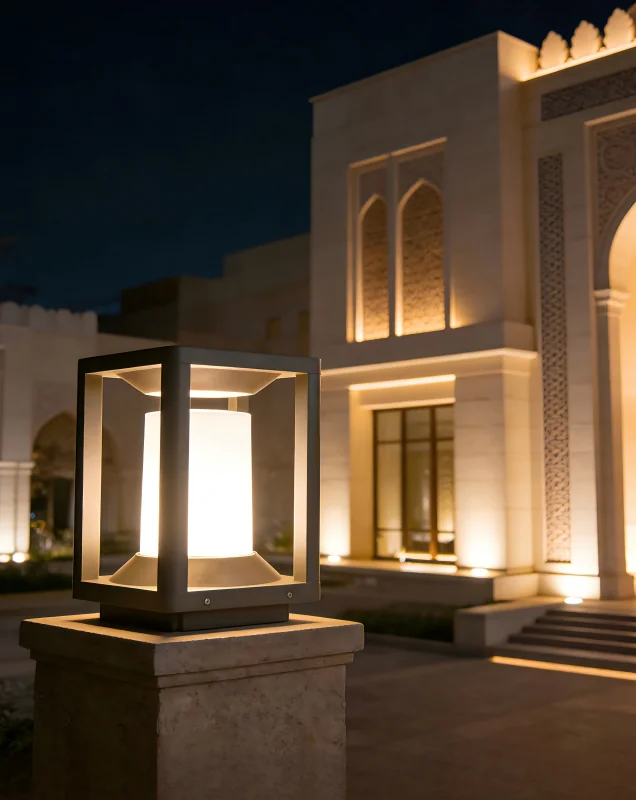
The Dramatic Impact of Uplighting
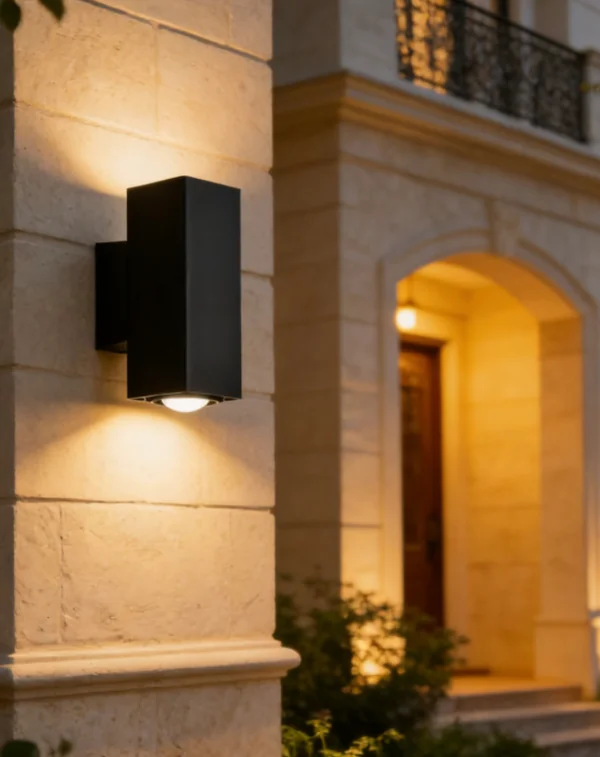
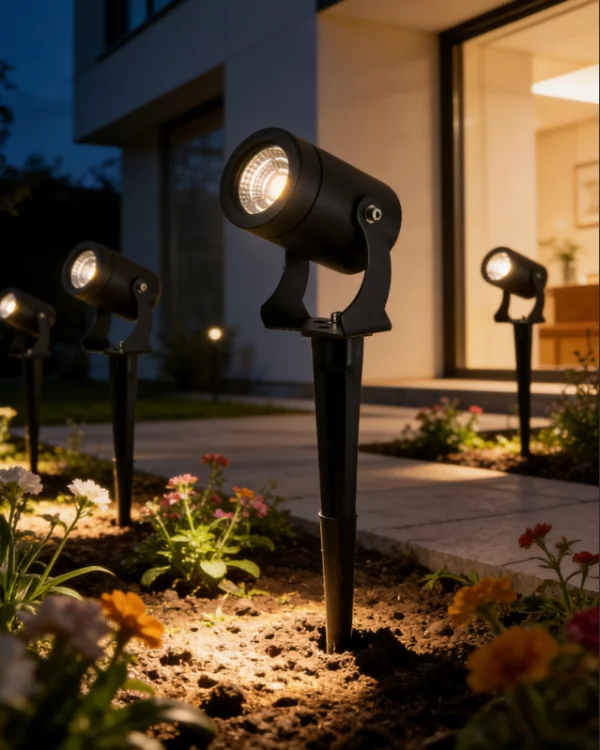
Uplighting is precisely what it sounds like: a technique where the light source is positioned low and directed upward. This method is primarily used for aesthetic enhancement rather than functional visibility. When you uplight a surface, you are intentionally creating contrast. The upward trajectory of the light interacts with the texture of the object, casting long, dramatic shadows that add significant depth and dimension.
In the context of pier mount outdoor lighting, uplighting is often achieved by utilizing customized fixtures or specific optic lenses that throw light upward against the architectural pillar the fixture sits upon, or onto adjacent structures.
Best Applications for Uplighting
Uplighting is the preferred technique when you want to create a focal point. In large-scale commercial applications—such as luxury resort entrances, corporate headquarters, or high-end retail courtyards—uplighting adds a sense of grandeur and luxury.
- Highlighting Architecture: If your pier mounts sit atop textured stone, brick, or masonry columns, an upward wash of light will accentuate the rough textures and natural imperfections of the material, making the column a structural showpiece.
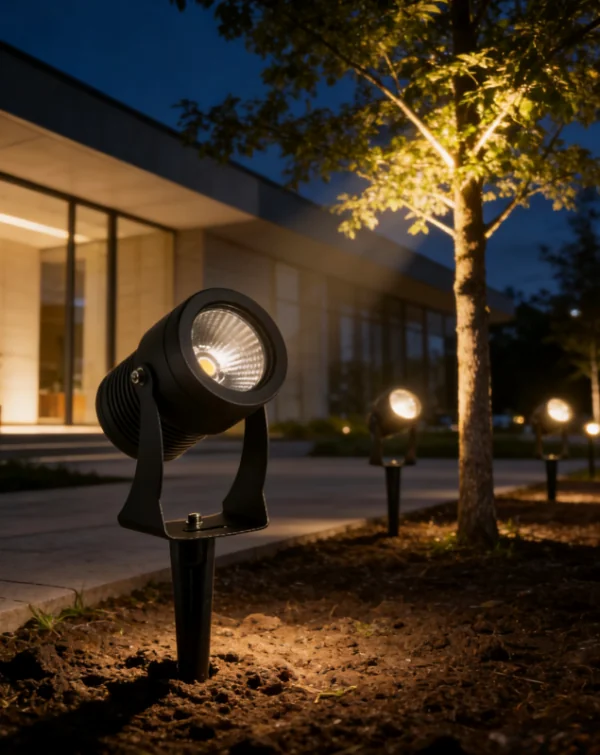
- Accentuating Greenery: If your pillars are flanked by tall trees or climbing vines, uplighting draws the eye upward, highlighting the canopy and branch structures that would otherwise disappear in the dark.
- Creating Silhouettes: By placing an uplight behind an object (like a statue or a decorative gate) and shining it onto a flat wall, you create a striking silhouette effect.
From an engineering standpoint, executing effective uplighting requires fixtures with precise optic controls to ensure the light reaches its intended target without contributing to light pollution or blinding pedestrians.
The Functional Elegance of Downlighting
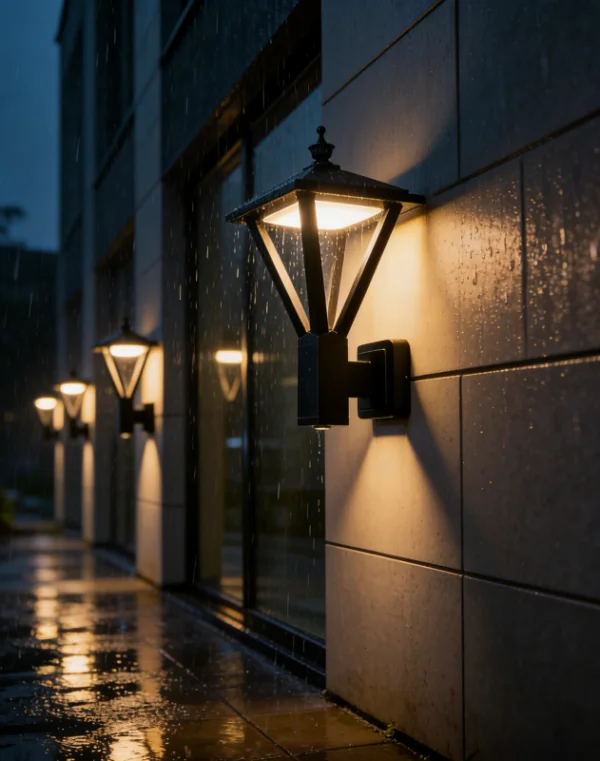
Conversely, downlighting involves placing the light source high and directing the illumination downward. This technique mimics natural moonlight or sunlight. While it can certainly be beautiful, its primary purpose is functional: downlighting is designed to provide safe, broad, and even illumination across a specific area.
When utilizing standard outdoor pier mount lights, downlighting is the default effect. Because these fixtures are mounted on elevated columns or walls, their integrated LEDs naturally cast light outward and downward onto the surrounding pathways or driveways.
Best Applications for Downlighting
Downlighting is essential for safety, navigation, and defining boundaries within a commercial landscape. It is the workhorse of outdoor lighting design.
- Pathway and Driveway Navigation: The most common use for downlighting via pier mounts is illuminating the ground below. This ensures pedestrians and vehicles can safely navigate walkways, steps, and gate entrances without encountering harsh glare.
- Subtle Ambiance: Downlighting produces a softer, more diffused light than the harsh contrasts of uplighting. It creates a welcoming, relaxed atmosphere ideal for outdoor seating areas or restaurant patios.
- Security: Broad downlighting eliminates dark corners and shadows where unauthorized individuals might hide, providing a crucial layer of security for commercial properties.
To achieve optimal downlighting, the fixtures must feature proper shielding or frosted diffusers to direct the light exactly where it is needed—the ground—while minimizing uncomfortable glare at eye level.
Combining Effects for Layered Lighting Design
The most successful commercial landscape designs rarely rely on just one technique. Professional lighting requires a layered approach. By combining the dramatic, aesthetic focus of uplighting with the functional safety of downlighting, you create a cohesive and deeply engaging environment.
For instance, at a gated entrance, you might specify a custom pier mount fixture that offers a strong downward wash to illuminate the driveway for approaching vehicles, while simultaneously featuring a subtle uplight component to highlight the architectural details of the entrance archway. This dual-action approach maximizes the utility of a single mounting point.
Custom Manufacturing for Precise Lighting Effects
Achieving these specific lighting effects on a large scale requires more than off-the-shelf products. It requires a manufacturing partner capable of precise engineering. As a dedicated OEM and ODM supplier, Keyida does not just build generic fixtures; we engineer customized light-effect parameters.
Our 7,000㎡ state-of-the-art facility is equipped to modify the optics, reflectors, and LED configurations of our pier mount outdoor lighting to match your exact design blueprints. Whether your project demands powerful, narrow-beam uplighting to graze a 20-foot column, or soft, wide-angle downlighting to safely illuminate a public plaza, our engineers will design and produce the physical prototypes to make it happen. We utilize premium die-cast aluminum and multi-step powder coating to ensure that, regardless of the lighting effect, the hardware survives the harshest environmental conditions.
When planning your next commercial development, remember that lighting is an architectural tool. By mastering the differences between uplighting and downlighting, and partnering with a manufacturer capable of executing your specific vision, you guarantee a result that is both stunning and structurally sound.