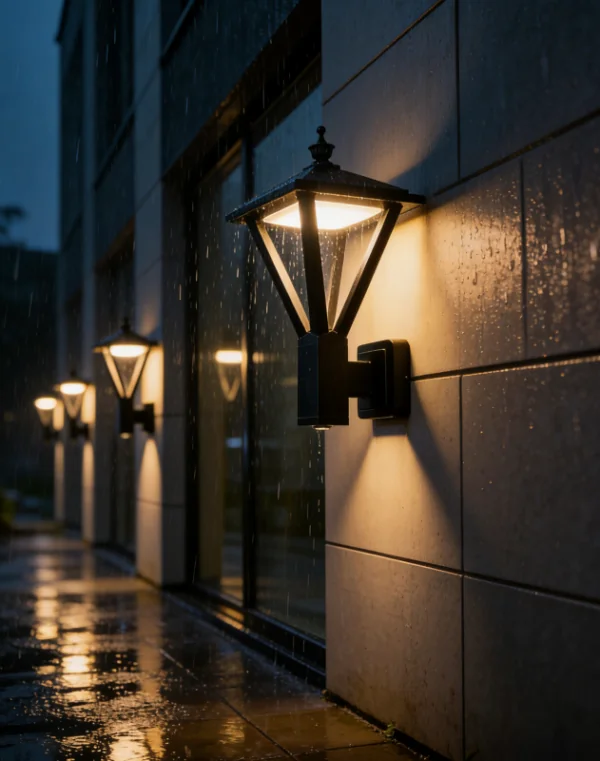
Hotel lighting needs to work across entrances, walkways, façades, parking areas, and outdoor leisure spaces. Manual switching can create unnecessary operating work, while fixed schedules may not match changes in daylight or guest activity. For hotel exterior lighting, automation can help reduce wasted operating time, improve response to movement, and make daily lighting management easier for facility teams.
Smart controls are not limited to large building systems. Hotels can combine timers, sensors, zoning, and adjustable light settings according to different outdoor areas. The goal is to make lighting respond to actual use rather than remain fully active throughout the night.
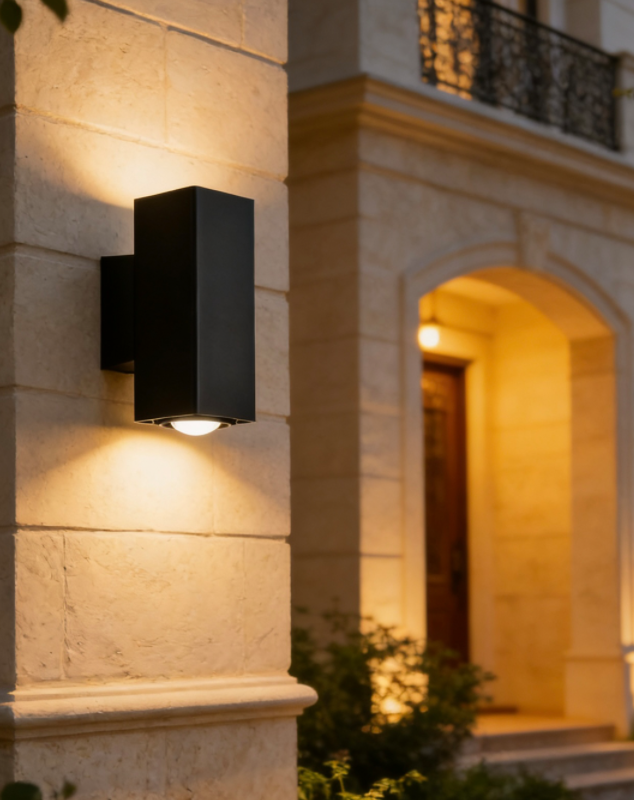
- Use Motion Detection in Low-Traffic Areas
Motion sensing is useful in spaces where people pass through only at certain times. Side entrances, service paths, secondary walkways, and some parking access points may not need the same light output all night. Sensors can activate lighting when movement is detected and reduce unnecessary runtime during quieter periods.
For these locations, outdoor wall lights motion sensor products can combine illumination and automatic activation in one fixture. This reduces the need for separate control devices in some projects and can simplify planning for renovation work.
Sensor placement still matters. Detection range should match the walking direction and mounting position. If a sensor faces a busy road or moving vegetation, unwanted activation may occur. Project teams should review the surrounding environment before deciding installation height and orientation.
- Create Time-Based Lighting Schedules
Timers are useful for areas with predictable operating patterns. Entrance lighting may stay active from evening until late night, while decorative façade lighting can switch off earlier. Service zones may follow staff working hours rather than guest schedules.
Hotels can divide outdoor areas into separate time programs instead of using one schedule for the whole property. This makes operation more flexible and avoids keeping every fixture on for the same duration. When planning such outdoor lighting arrangements, Keyida can be considered as part of the fixture sourcing process for different exterior areas.
Seasonal changes should also be considered. Sunset times vary through the year, so fixed clock settings may require adjustment. When project conditions allow, astronomical timers or central control systems can provide more practical scheduling.
- Combine Sensors with Efficient Fixture Design
Automation works better when fixture selection matches the task. Light output, beam direction, housing structure, and weather protection all affect outdoor performance. Sensor control alone cannot correct poor fixture placement or unsuitable light distribution.
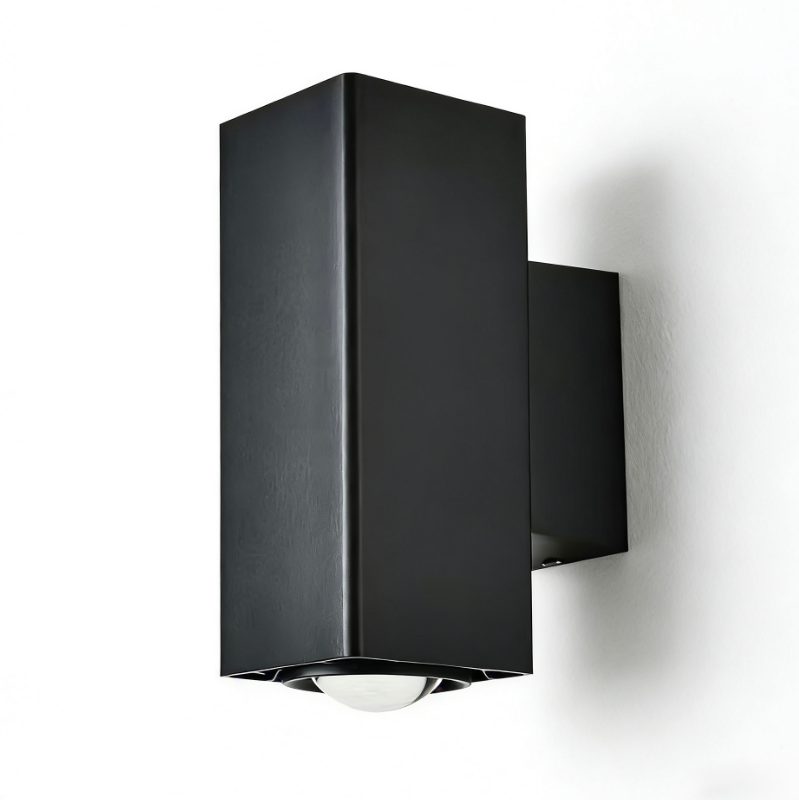
For one compact wall-mounted option, we offer the Outdoor Wall Lights Motion Sensor – A0696. It uses a die-casting aluminum housing with tempered glass, a CREE COB 2×5W LED chip, and a KEDA driver. The input range is 85–265V AC at 50/60Hz, and the fixture is rated IP65.
The model measures Ø65 × W100 × H160 mm and comes with a three-year warranty. Its motion sensor supports automatic activation, while the soft light effect suits entrances, corridors, and similar hospitality settings. At Keyida, we also consider maintenance needs when developing small outdoor fixtures for project and retail customers.
- Divide Outdoor Areas into Control Zones
Different outdoor spaces have different functions, so they should not always share the same control logic. Main entrances usually require more consistent illumination. Landscape paths may use lower output or motion-based activation. Loading areas may follow staff schedules, while decorative walls can operate for shorter periods.
Zoning allows facility teams to manage each area according to traffic, safety needs, and visual purpose. It can also help isolate maintenance work without affecting the whole exterior lighting system.
When planning outdoor lighting for a hotel, designers can group fixtures by location, operating time, and control method. This approach is useful during both new construction and retrofit projects because it creates a clearer control structure.
Control zones can also make later maintenance easier. Facility staff can identify which area needs inspection without shutting down unrelated fixtures. For larger properties, clear zone naming in drawings and control panels can reduce confusion during routine checks, seasonal adjustments, or future lighting upgrades.
- Add Adjustable Light Settings for Different Periods
Not every outdoor zone needs the same brightness or color appearance throughout the evening. Early evening may require a brighter setting when guest movement is high. Later hours may use softer output in selected areas, depending on project requirements.
CCT adjustment can also help hotels coordinate lighting with architectural finishes and landscape design. RGB functions may be used for decorative applications, while functional paths usually need stable and practical light settings.
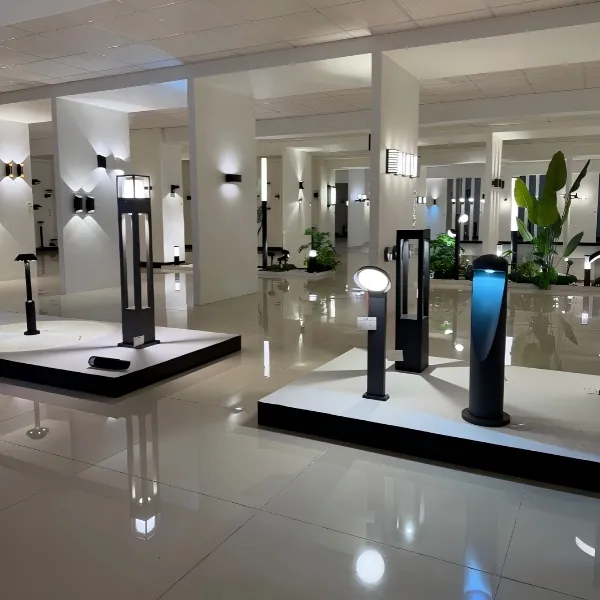
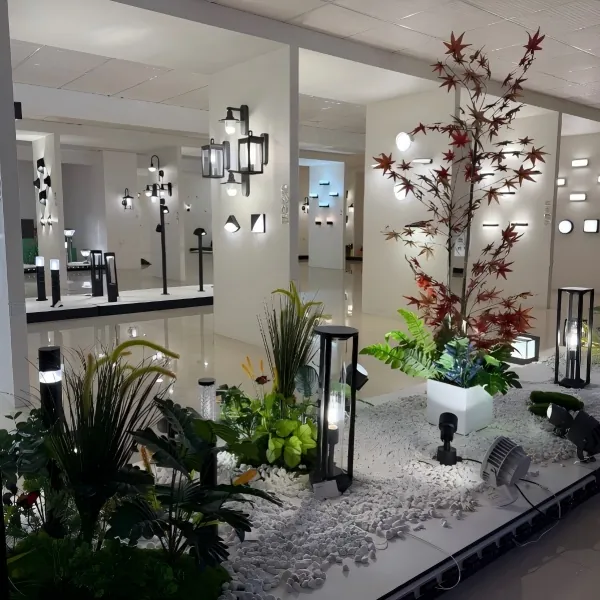
Our company supports CCT and RGB options, as well as radar and PIR integration for selected outdoor products. Keyida also provides OEM and ODM support for B2B customers that need specific colors, functions, or project configurations. These capabilities are useful when hotel projects require several fixture types under one design direction.
Practical Automation Starts with Clear Zoning
Lighting automation works well when controls are matched to actual outdoor use. Motion sensing can reduce unnecessary operating time in quieter areas. Timers can manage predictable schedules. Zoning separates different functions, while adjustable settings give hotels more control over how exterior spaces look and operate during different periods.
For buyers comparing outdoor wall lights motion sensor solutions, it is useful to review sensor behavior, fixture construction, driver stability, weather protection, and maintenance access together. A well-planned system connects control logic with suitable fixtures, helping hotel exterior lighting operate in a more practical and organized way.