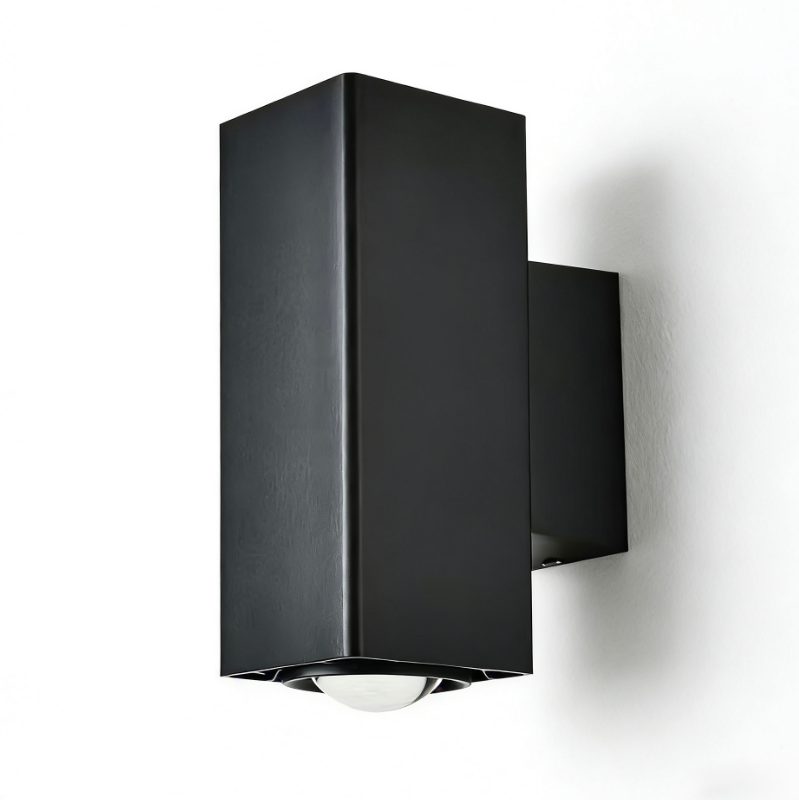
Outdoor lighting buyers are paying closer attention to material durability, maintenance needs, energy use, and long-term product value. In 2026, polycarbonate outdoor wall lights are gaining attention because they combine lightweight construction, impact resistance, weather suitability, and flexible design options for commercial and residential projects.
Sustainability also affects how buyers compare lighting products. A durable fixture can reduce replacement frequency, while efficient LED systems can lower power use during daily operation. For distributors, lighting stores, and project teams, these factors make material selection more important than simple appearance.
Why Polycarbonate Fits Outdoor Lighting
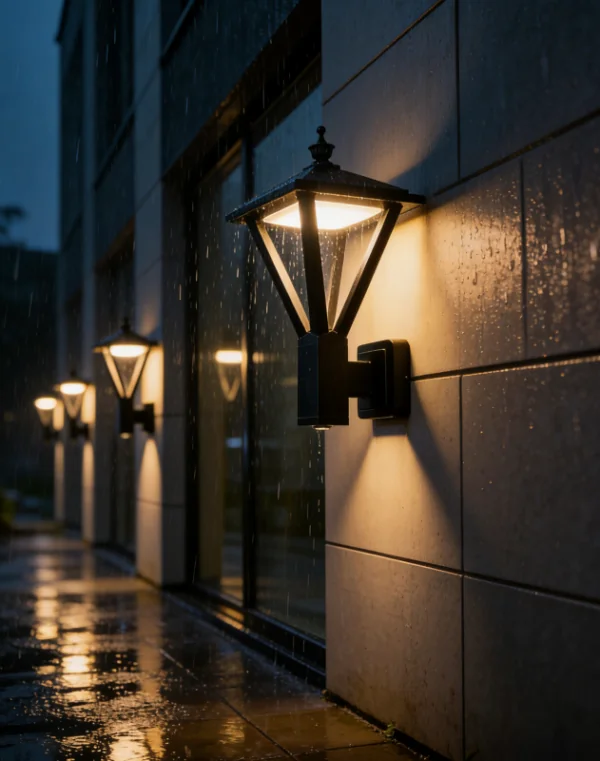
Polycarbonate is widely used for outdoor lamp shades because it is light, practical, and suitable for different shapes. Compared with fragile materials, it can handle everyday impact more easily. This suits wall lights around entrances, walkways, gardens, and building exteriors.
Weather exposure is another reason buyers consider this material. Outdoor fixtures may face rain, humidity, dust, heat, and temperature changes. When the lamp structure is properly designed, a PC shade can support stable daily use while helping protect internal lighting components.
At Keyida, we often consider the balance between appearance, structure, and maintenance during product development. Our modern outdoor lighting range uses aluminum bodies with PC or acrylic shades in different designs. This combination supports varied project styles without making the fixture structure unnecessarily complicated.
Sustainability Is More Than Material Choice
A sustainable outdoor light is not defined by one material alone. Service life, replaceable parts, power consumption, surface treatment, and maintenance all influence the product’s long-term value. Buyers should review the entire lighting structure rather than focus only on the shade material.
LED systems can also support this goal. Reliable LED chips and drivers can help reduce premature replacements caused by component failure. Some fixtures can also use replaceable light sources or lamp holders, which gives buyers more flexibility when planning maintenance for different markets.
For this reason, waterproof outdoor wall lights are often evaluated together with their internal electrical design. Water protection, heat management, driver quality, and housing construction all affect how the fixture performs after installation. These details matter to lighting retailers and project buyers who need consistent product quality.
How Surface Treatment Supports Longer Use
Outdoor aluminum housings need suitable surface preparation before coating. Fine grinding before painting can improve surface texture and help the coating remain more stable during regular outdoor use. It also affects the finished appearance in stores and on buildings.
Color selection is part of the same decision. Black and gray remain common project colors because they match many modern building styles. Custom colors can also help distributors or project buyers create a more coordinated product range for specific markets.
Private-mold development can further reduce visual similarity between products. We release new designs every quarter, and many of our models use private molds. This gives customers clearer design differences for retail shelves, project catalogs, and branded product lines.
A Practical Product Example
The G1185 shows how these design ideas can be combined in one outdoor fixture. It uses a die-cast aluminum housing with a PC lampshade and carries an IP65 rating. The structure is designed for wet outdoor conditions where wall-mounted lighting needs practical weather protection.
This model uses an Epistar SMD 12W LED chip with a KEDA driver. Its input range is 85–265V AC at 50/60Hz. The fixture measures L200 × H390 mm and comes with a three-year warranty, giving buyers clear information for specification and purchasing.
For buyers comparing polycarbonate outdoor wall lights, the driver, LED chip, housing material, IP rating, and warranty matter alongside appearance. G1185 also reflects our focus on combining modern styling with practical construction for garden walls, entrances, and exterior circulation areas.
What B2B Buyers Should Check
Retailers and building-material stores should first review whether the product range fits their target market. Style consistency, size options, color choices, lighting structure, and maintenance requirements can all affect how easily a product fits into an existing sales portfolio.
Project buyers may place more attention on technical documents and customization. We can provide 2D drawings, high-resolution images, and instruction manuals for product communication. OEM and ODM support can also cover color, function, and product development for specific project needs.
Certification is another practical point. Our product development can support CE, RoHS, and SAA requirements for relevant markets. This helps distributors and project partners prepare product selections for Europe, the Middle East, and other regions where documentation and compliance need early attention.
Why the Trend Is Likely to Continue
The growing interest in waterproof outdoor wall lights reflects a broader change in B2B purchasing. Buyers are looking beyond appearance and comparing durability, serviceability, energy use, certification, and supply stability at the same time. Polycarbonate fits this direction because it works well with lightweight and flexible outdoor lighting designs.
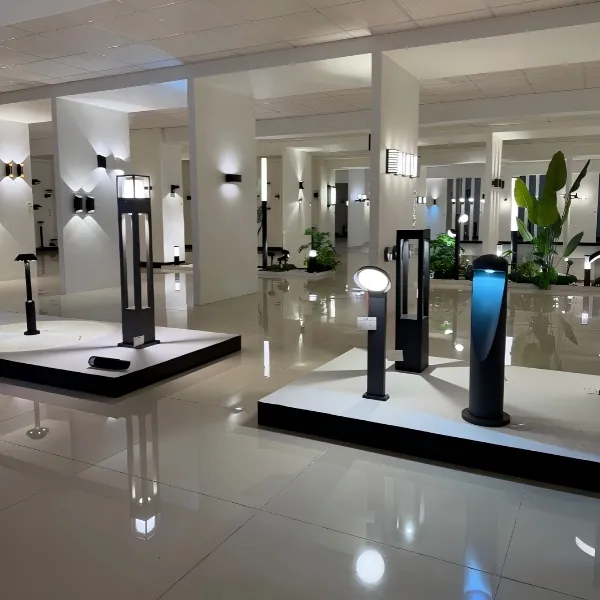
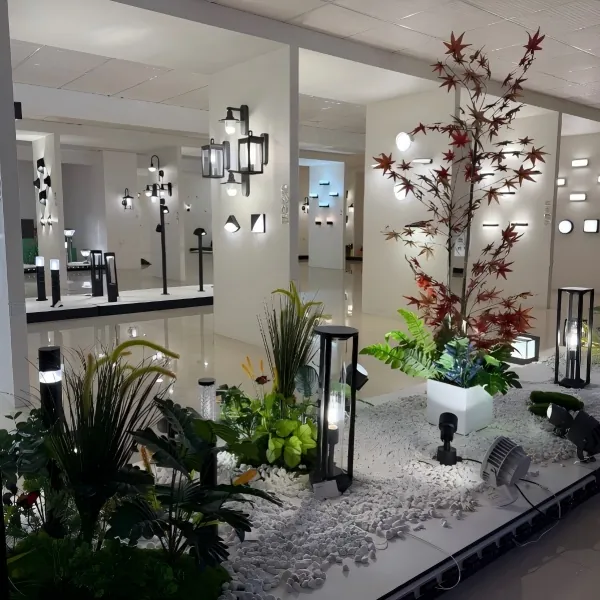
Keyida supports this demand with a 7,000 m² production workshop and a 1,100 m² showroom, together with OEM and ODM services. Regular product development, private-mold designs, and batch production capacity help us work with lighting stores, building-material retailers, and project partners with different product plans.
In 2026, sustainable lighting decisions are increasingly connected with practical product life rather than a single environmental claim. Choosing durable materials, stable LED components, suitable weather protection, and maintainable structures can help buyers reduce avoidable replacement and build a more practical outdoor lighting range.