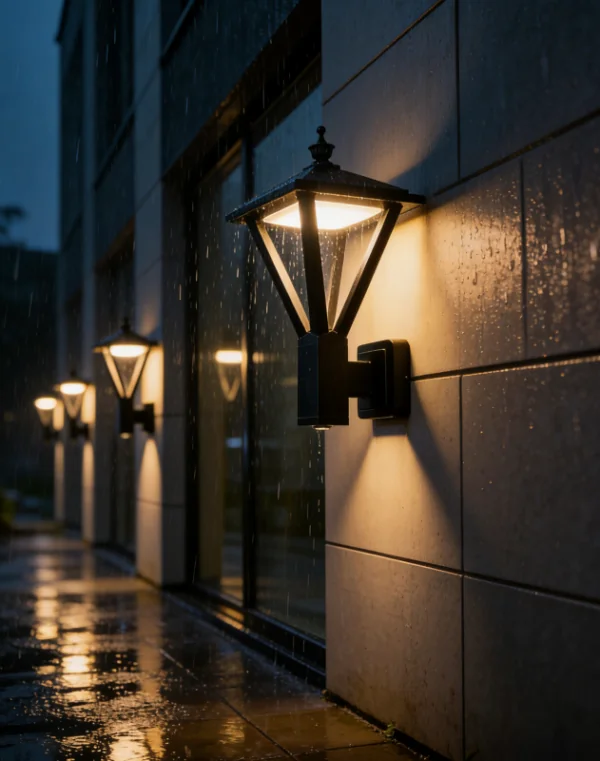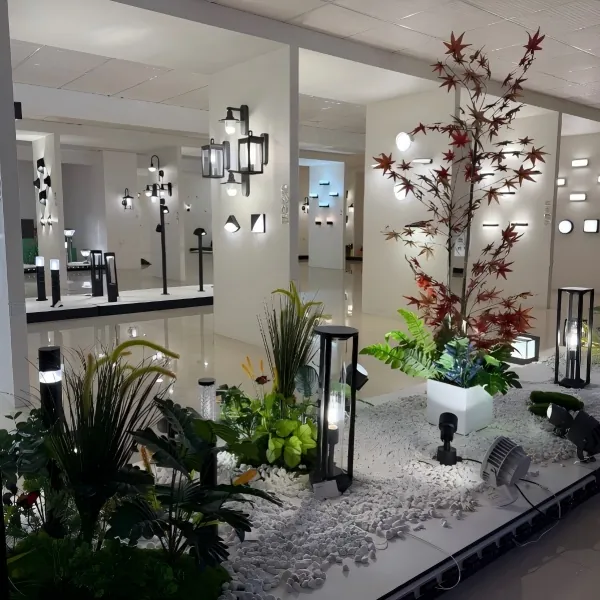
University campuses remain active long after daytime classes end. Students move between dormitories, libraries, laboratories, parking areas, and sports facilities at different hours. Outdoor lighting therefore has a direct role in nighttime visibility and route recognition. When evaluating products from a bollard light manufacturer, campus planners should consider more than brightness. Fixture height, spacing, glare, maintenance, weather exposure, and surrounding architecture all influence how the lighting system performs.
Security lighting on a campus should also support natural movement rather than create harsh visual contrast. Pedestrians need to recognize paths, steps, nearby people, and changes in ground level. For universities, choosing suitable exterior fixtures requires a balance between visibility, comfort, operating cost, and long-term maintenance.
Why Bollard Lighting Fits Campus Pathways
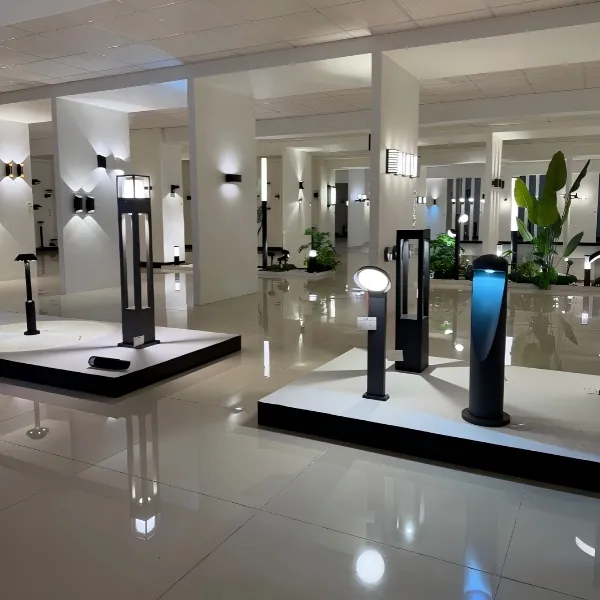
Bollard lights are commonly used along pedestrian routes because their lower mounting position can provide localized illumination without introducing tall poles into every landscape zone. This makes them useful around walkways, courtyards, dormitory entrances, garden areas, and connections between buildings.
Fixture placement should follow the actual movement pattern of students and staff. Straight paths may need regular spacing, while intersections, stairs, ramps, and changes in direction often require more careful positioning. Lighting should help users understand where a route continues instead of creating isolated bright spots.
Campus designers should also consider nearby vegetation. Shrubs, trees, and seasonal growth can block light if fixtures are positioned too close to planting areas. Maintenance teams need enough access around each fixture for cleaning, inspection, and replacement work.
For an exterior lighting company, this type of project requires more than supplying a decorative housing. Product structure, optical direction, installation conditions, and maintenance access all need to match the intended campus zone.
Visibility Matters More Than Excessive Brightness
Security lighting does not become more useful simply because a fixture produces stronger light. Excessive brightness may create glare, especially when pedestrians approach a luminaire from a darker area. Strong contrast can also make nearby spaces appear less visible.
Campus planners should pay attention to how light reaches the walking surface. Entrances, pathway edges, ramps, stairs, and crossing points usually need clear visual definition. Light should support orientation while remaining comfortable for people walking in both directions.
Fixture height also affects visual comfort. Lower lights can reduce the amount of light entering upper-level windows, which is useful near dormitories and residential areas. However, the beam still needs to cover enough ground to avoid irregular dark gaps.
The same principle applies around libraries and teaching buildings. Students leaving these spaces at night should be able to identify routes quickly without facing direct glare from poorly positioned luminaires.
Product Structure Affects Outdoor Reliability
University lighting operates outdoors throughout the year, so housing materials and surface treatment deserve attention during product selection. Rain, humidity, dust, temperature changes, and frequent cleaning can all affect long-term appearance and operation.
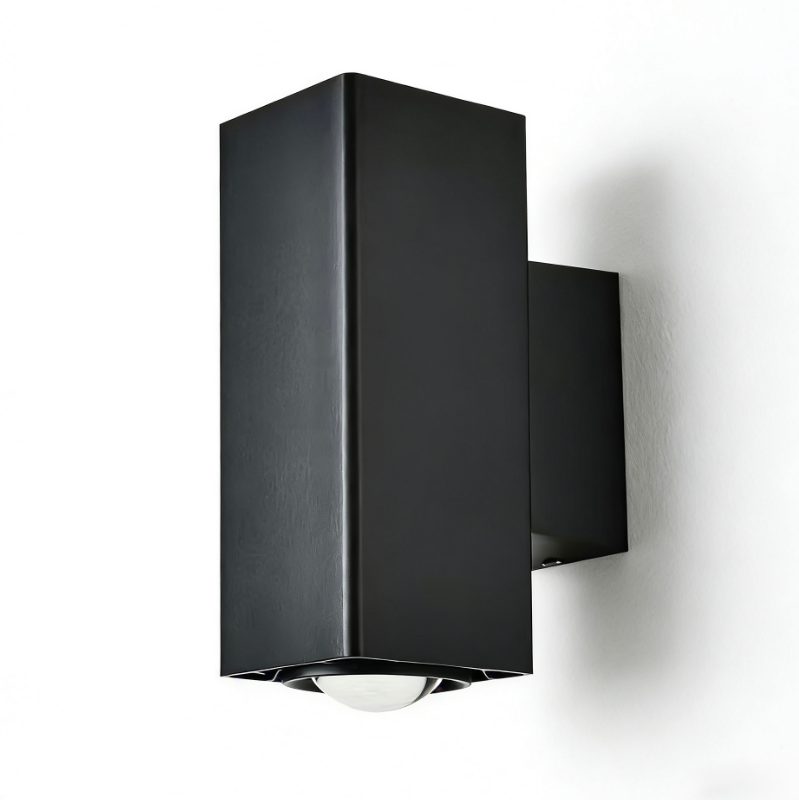
We mainly use aluminum bodies with PC or acrylic shades in our modern outdoor lighting products. Fine grinding before painting helps prepare the surface for coating and improves the finished texture. These details are relevant in campus projects where fixtures remain visible during both daytime and nighttime.
Light source configuration is another practical issue. Some projects prefer integrated LED structures, while others may need replaceable lamp solutions such as E27 holders. Flexible configurations can make future maintenance planning easier for facility teams.
As a bollard light manufacturer, we also consider the stability of LED chips and drivers because campus lighting often operates for long periods each evening. Replaceable components can reduce the need to replace a complete fixture when only one internal part requires service.
Smart Functions Can Support Different Campus Zones
Not every area of a university has the same activity pattern. Main walkways may remain busy for many hours, while secondary paths or service areas may only be used occasionally. Lighting controls can help adapt operation to these different conditions.
CCT adjustment allows project teams to choose a suitable color temperature for different spaces. Warmer or neutral tones may work well in landscaped areas, while other zones may require a different visual atmosphere based on the design plan.
Radar or PIR sensing can also be considered in selected locations. These functions may be useful where pedestrian activity changes significantly during the night. They should still be planned carefully so that switching behavior does not create distracting changes along frequently used routes.
Our company can integrate sensing functions, CCT adjustment, RGB options, and customized colors according to project requirements. Keyida also provides 2D drawings, product images, and instruction materials to support project communication before installation.
Maintenance Planning Should Begin Before Installation
Campus lighting projects often involve many fixtures distributed across a wide area. Maintenance therefore becomes part of the original purchasing decision rather than something to consider after installation.
Facility teams should confirm how drivers, light sources, and internal components can be accessed. Products that support replaceable components may simplify repairs and reduce unnecessary fixture replacement. Standardized product families can also make spare-part planning more organized.
Color consistency matters as well. Black and gray are common engineering colors because they can coordinate with different architectural and landscape styles. Custom colors may be useful when a university has a specific visual identity, but procurement teams should review order quantities and future replacement needs before making that choice.
Working with an experienced exterior lighting company can also help buyers review drawings, technical options, finishes, and installation details before placing a larger order.
Building a More Practical Campus Lighting Plan
Campus security lighting works well when design, visibility, durability, and maintenance are considered together. Bollard lights can support pedestrian routes, landscape areas, entrances, and shared outdoor spaces, but their value depends on correct spacing, glare control, suitable materials, and realistic maintenance planning.
At Keyida, we develop modern small outdoor lighting products for B2B customers and support OEM and ODM projects. Our role is not only to provide fixtures, but also to help partners evaluate structures, light source options, functions, and project requirements.
For universities and project buyers, the stronger approach is to select lighting based on how each campus zone is actually used. Careful planning can create clearer nighttime routes while keeping future servicing, visual comfort, and project coordination manageable.