Outdoor lighting is changing from simple illumination toward more responsive control. In 2026, motion activation is becoming more closely connected with energy management, user comfort, and easier maintenance. For commercial buyers, the value of a wall-mounted outdoor fixture now depends on more than appearance. Sensor response, lighting stability, weather resistance, and product adaptability are becoming important parts of product evaluation.
For lighting stores, building material retailers, and project buyers, the key question is what future motion-activated lighting should improve. The answer is not simply stronger sensing. Development is moving toward accurate detection, flexible settings, stable outdoor operation, and easier project integration.
Smarter Detection for Practical Outdoor Use
Traditional motion sensing mainly turns a light on when movement is detected. In 2026, we see buyers paying more attention to how accurately sensors respond outdoors. False triggering from passing objects or nearby movement can increase unnecessary operating time.
Radar sensing and PIR sensing can serve different project needs. PIR technology detects changes in infrared radiation, while radar sensing detects movement through reflected radio waves. The suitable choice depends on installation height, wall position, surrounding obstacles, and the expected user path.
For B2B buyers, we recommend matching sensor selection with the application. Entrances, garden paths, exterior walls, and side passages may require different response settings. One detection pattern will not suit every project.
Lighting Modes Are Becoming More Flexible
Future outdoor wall lighting is also moving toward adjustable output. CCT adjustment can provide warmer or cooler white light for different architectural styles. RGB functions can support decorative applications that require color variation.
Motion activation can also work with different brightness levels. A light may operate at lower output during standby and increase brightness when movement is detected. This can reduce unnecessary full-power operation while still providing useful illumination when people approach.
For distributors evaluating waterproof outdoor wall lights, these functions add more value when supported by stable electrical components and a suitable outdoor structure. From our development experience, features should remain practical during installation, use, and maintenance.
Weather Resistance Still Matters
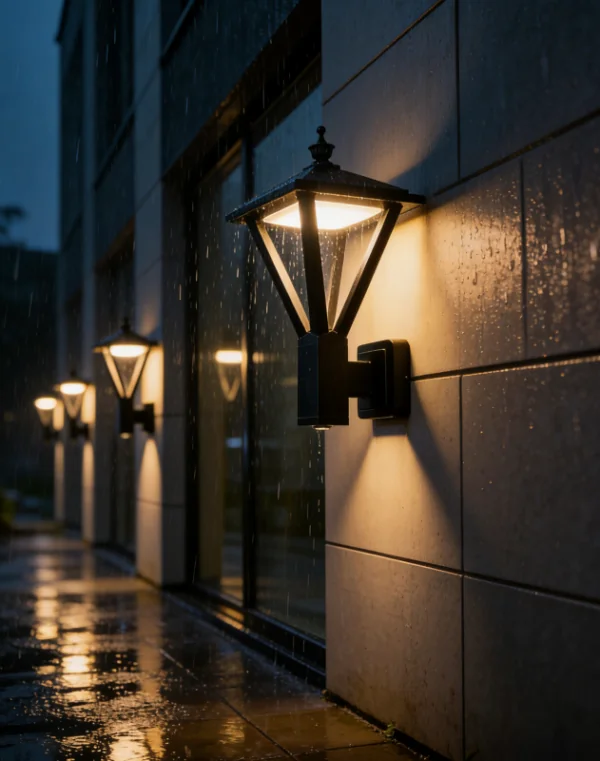
Sensor technology does not replace physical protection. Outdoor fixtures face rain, humidity, dust, and temperature changes. Housing structure, lampshade material, surface treatment, and sealing design still influence outdoor performance.
Die-cast aluminum provides a rigid housing structure. PC and acrylic shades can be selected according to optical, design, and durability requirements. Fine grinding before painting can improve surface appearance and support better coating consistency.
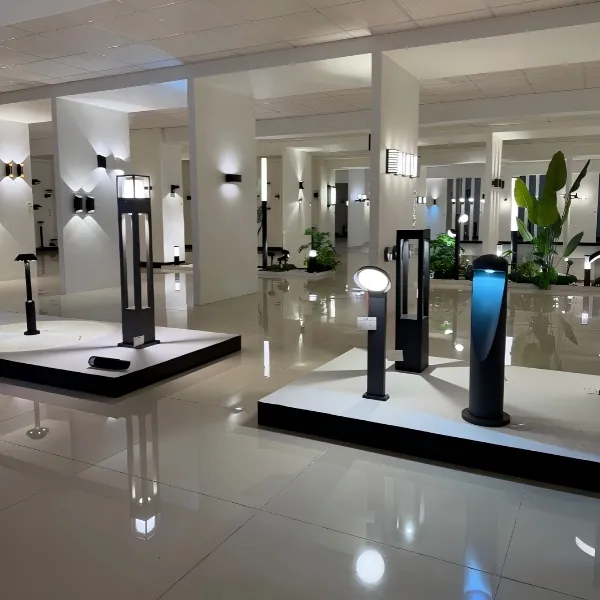
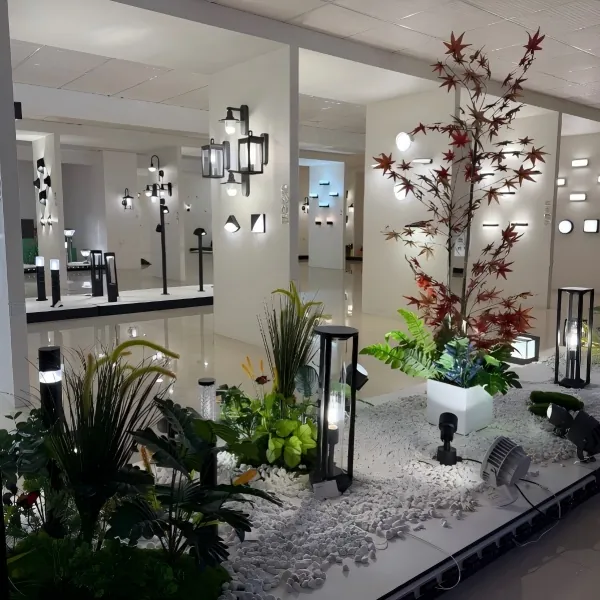
At Keyida, we focus on modern small outdoor lighting and combine design, production, and sales. Our 7,000 m² production workshop and 1,100 m² showroom support regular product development and batch order handling. New products are introduced each quarter, with a high proportion of private-mold designs for differentiated B2B projects.
A Product Example for Wet Outdoor Conditions
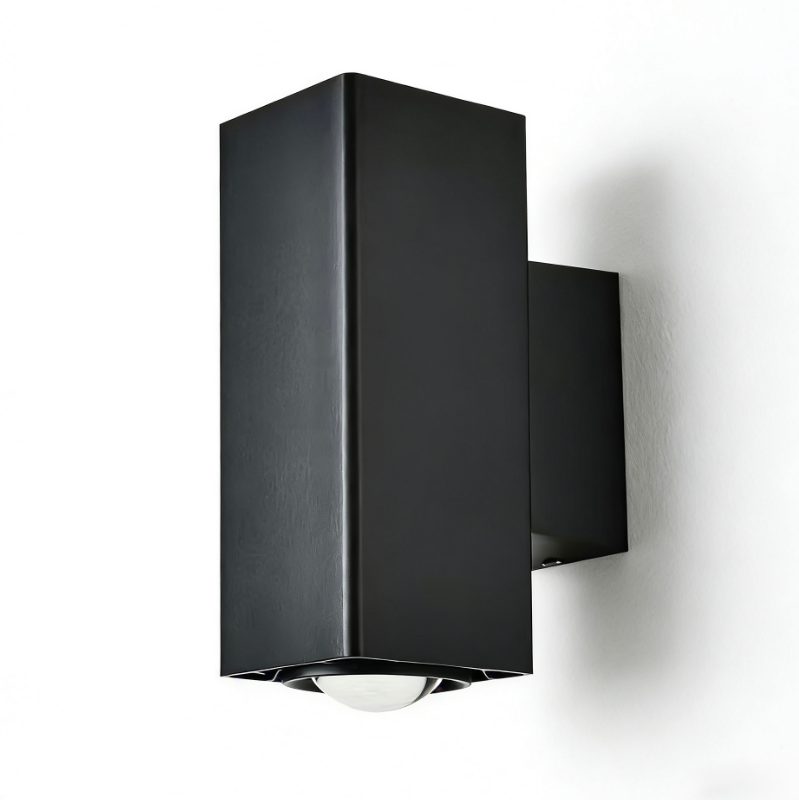
The G1185 model shows how outdoor lighting can be built around a practical hardware platform. This IP65 fixture uses a die-casting aluminum housing with a PC lampshade. Its size is L200 × H390 mm, giving buyers a clear reference for wall placement.
The light uses an Epistar SMD 12W LED chip with a KEDA Driver. Input voltage is 85–265V AC at 50/60Hz. It has a three-year warranty.
For buyers comparing a garden wall lamp for wet outdoor conditions, the G1185 combines housing protection, LED configuration, and service support. The LED chip and driver are selected for stable operation, while the structure is designed for exterior wall applications.
Maintenance and Replaceable Components Gain Attention
Future outdoor lighting design is becoming more maintenance-conscious. Commercial buyers consider replacement difficulty, component access, and after-sales service, not only purchase cost.
Replaceable LED chips and drivers can reduce the need to replace the complete fixture when one electrical component reaches the end of its service life. Some projects may also prefer an E27 lamp holder instead of an integrated LED structure. Supporting both LED and bulb-based solutions gives distributors more room to serve different markets.
This flexibility is relevant for OEM and ODM projects. Buyers may need different color temperatures, housing colors, sensor types, or light-source structures. Black and gray remain common engineering colors, while customized colors can be developed for larger orders.
What B2B Buyers Should Watch in 2026
When evaluating motion-activated outdoor lighting, we suggest looking at the full system rather than a single sensor specification. Detection logic, light source, driver, waterproof structure, surface finish, maintenance access, and documentation all affect the final project result.
We support OEM and ODM development and can provide CE, RoHS, and SAA certifications for relevant products. Keyida also provides 2D drawings, high-resolution images, and manuals to support product selection and project communication.
For retailers and project buyers, waterproof outdoor wall lights with sensing functions will likely become more configurable rather than simply more complex. The direction is toward practical combinations of sensing, lighting control, outdoor durability, and serviceability.
A More Practical Direction for Outdoor Lighting
The future of motion-activated outdoor lighting in 2026 is centered on better coordination between sensing and the fixture itself. Accurate detection matters, but so do housing quality, electrical stability, maintenance, and project flexibility.
For buyers selecting a garden wall lamp, the useful question is not how many smart functions are included. It is whether those functions solve real installation and operating needs. We believe products that combine responsive sensing with suitable materials, stable components, and flexible configuration fit the way B2B outdoor lighting projects are developing.