Color temperature changes how a garden looks at night, but its effect on plants is often misunderstood. For decorative outdoor lighting, CCT mainly changes the visual balance between warm and cool white light. Plant response depends more on spectrum, light intensity, exposure time, and distance from the source. This matters when selecting waterproof outdoor wall lights for landscaped paths, courtyards, boundary walls, and planting areas.
Night lighting can influence plants when exposure is strong enough or continues for long periods. Still, decorative fixtures are not the same as horticultural grow lights. Buyers should separate visual design goals from plant biology when planning outdoor lighting near trees, shrubs, or flower beds.

How CCT Changes the Night Environment
CCT is measured in kelvin and describes whether white light appears warmer or cooler. Lower CCT light usually looks yellow or warm white. Higher CCT light looks whiter and often contains more blue energy. Two lamps with the same CCT can still have different spectral distributions.
Plants react to wavelengths rather than the CCT number alone. Blue light can influence leaf form, stem development, and stomatal behavior. Red wavelengths also participate in photosynthesis and may affect flowering signals in some species.
These effects do not mean decorative garden wall lights should be used to promote plant growth. Their output is usually designed for visibility and atmosphere. Biological effects depend on how much light actually reaches the leaves.
Warm and Cool Light Around Planting
Warm white light is often selected around gardens because it gives stone, timber, brick, and foliage a softer appearance. It may also contain less short-wavelength blue light than many cooler white sources. This can be useful where the project aims to create a calmer nighttime setting.
Cooler light can make foliage appear crisper to the eye. Retail buyers and project designers may prefer this look in modern landscapes. However, greener-looking leaves under cool light do not mean the plants are growing faster.
Long nighttime exposure deserves more attention than appearance alone. Some plants use darkness as a biological signal. Artificial light at night can affect flowering, dormancy, or seasonal rhythm in sensitive species. The result varies by plant species, spectrum, intensity, and exposure duration.
Why Placement and Operating Time Matter
Fixture position can change the level of light that reaches nearby plants. Wall-mounted lighting directed toward façades and paths may expose foliage only slightly. Light aimed directly at shrubs or trees can create a stronger effect, even when the CCT is unchanged.
Operating time also matters. Plants need regular dark periods for normal physiological processes. Timers, photocells, and sensor control can reduce unnecessary nighttime exposure while still providing light when people are using the space.
We also recommend reviewing mounting height and beam direction during project planning. CCT should be considered together with these factors. Looking only at the kelvin value can give an incomplete picture of how the lighting may interact with nearby vegetation.
A Practical Fixture for Wet Outdoor Areas
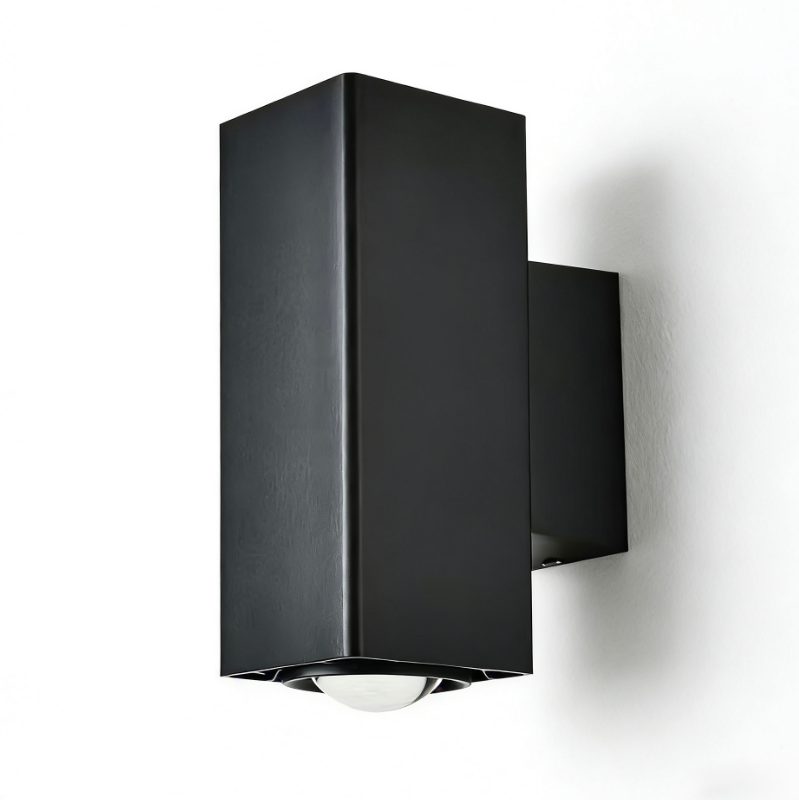
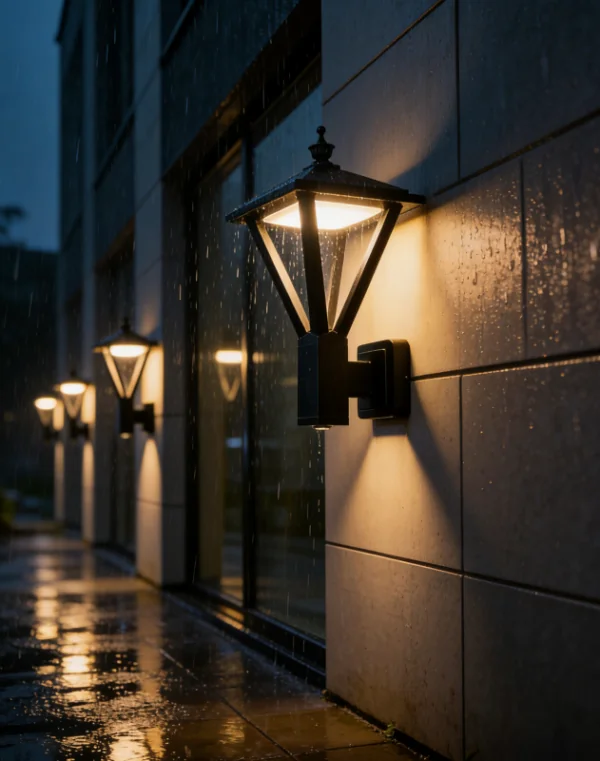
For wet exterior locations, Keyida offers the Waterproof Outdoor Wall Lights – G1185 as one option for project and retail applications. It has an IP65 rating and uses a die-casting aluminum housing with a PC lampshade. This structure is suitable for outdoor wall installation where rain and moisture are regular conditions.
The fixture uses an Epistar SMD 12W LED chip with a KEDA driver. Input voltage is 85–265V AC at 50/60Hz, and the size is L200 × H390 mm. It also carries a three-year warranty. These specifications give B2B buyers clear reference points for installation, electrical matching, and maintenance planning.
When waterproof outdoor wall lights are installed close to vegetation, buyers should still review distance, operating hours, and beam direction. Weather resistance and plant-light interaction are separate considerations, so both should be included in the project plan.
Choosing CCT for Real Garden Projects
There is no single CCT that makes plants grow better in every landscape. Species respond differently, and decorative wall lighting cannot replace sunlight or dedicated horticultural lighting. CCT should therefore be selected mainly for visual goals, while nighttime exposure should be controlled when sensitive planting is nearby.
Lower CCTs may suit hospitality courtyards, residential gardens, and relaxed landscape settings. Neutral or cooler tones may be chosen for clearer architectural definition. The final choice should also consider wall color, paving materials, plant species, and the amount of light falling onto leaves.
For garden wall lights, controls can be as important as color temperature. Shorter evening schedules, zoning, photocells, or motion sensing can reduce unnecessary exposure while still supporting visibility around entrances, paths, and building edges.
Lighting That Respects the Landscape
Outdoor lighting works more effectively when appearance, installation conditions, and plant response are considered together. CCT shapes the mood of a garden, but plant growth is influenced by a wider set of factors, including spectrum, intensity, timing, and species sensitivity.
At Keyida, we support B2B customers with modern outdoor lighting and OEM or ODM development. For projects near planted areas, we recommend treating CCT as one design variable rather than a direct plant-growth setting. This approach helps buyers build lighting plans that are visually coherent, practical to maintain, and more considerate of the surrounding landscape.