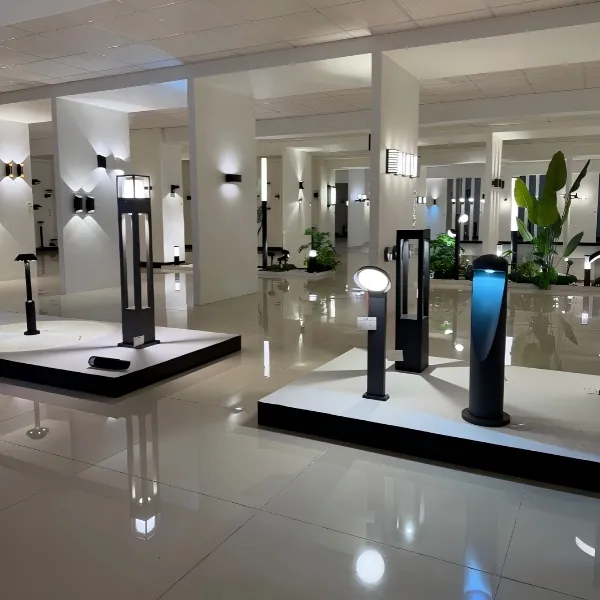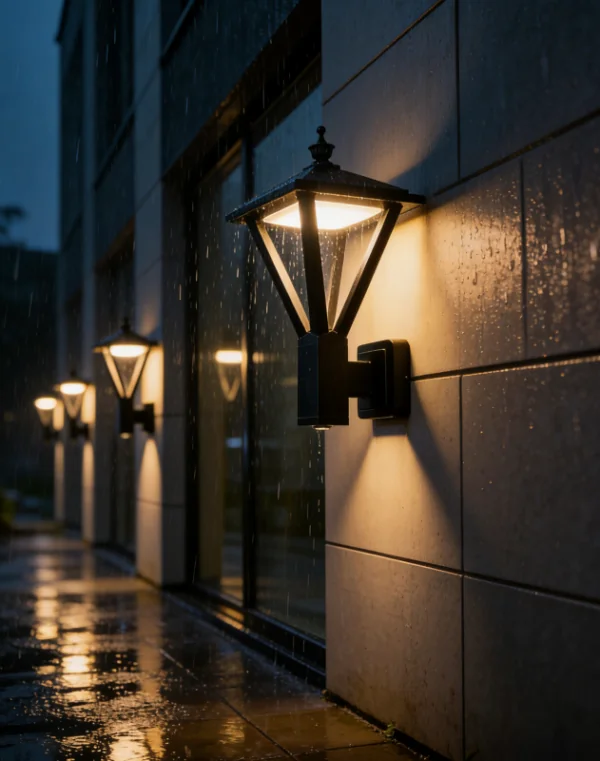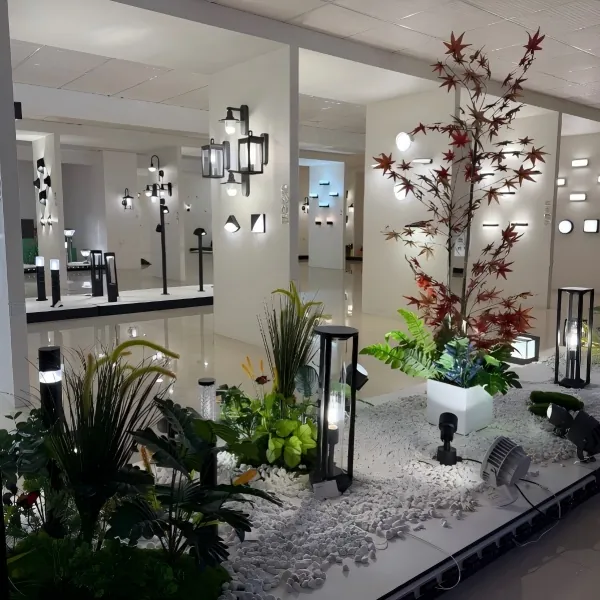
Outdoor lighting can influence how a property looks, functions, and feels after dark. For homeowners, designers, and property developers, wall-mounted fixtures are more than decorative details. They can improve visibility, support safer movement, and highlight building features. Well-planned lighting can also help a property present a cleaner and more considered appearance to visitors or potential buyers.
For buyers comparing outdoor wall lights motion sensor products, value comes from combining practical lighting with suitable design and control functions. The right fixture should match the building style, installation position, light source, and maintenance needs. These details affect both daily use and the long-term impression of the property.
- Create a More Finished Exterior
A well-lit exterior often looks more complete than a dark façade with limited visual detail. Wall lights can define entrances, balconies, side walls, and pathways. This adds structure after sunset and helps architectural lines remain visible.
For modern properties, simple fixtures with clean shapes can support a coordinated appearance. This suits exteriors with neutral colors or geometric forms.
- Improve Entrance Visibility
Entrances are among the first areas people notice when approaching a property. Suitable wall lights can make doors, house numbers, steps, and access points easier to see at night.
For property projects, this can improve the arrival experience without adding complicated landscape lighting.
- Support Safer Movement
Dark corners, steps, and side passages can make movement less comfortable after sunset. Wall-mounted lighting can help define walking routes and reduce poorly lit areas around the building.
This does not require excessive brightness. Placement, beam direction, and mounting height matter more than simply using stronger light. A balanced layout can support practical movement while keeping the exterior visually comfortable.
- Add Smart Activation Around Key Areas
Motion-sensing lighting can be useful near entrances, garages, side gates, or secondary access points. The light activates when movement is detected, reducing the need to leave certain fixtures operating continuously.
For project buyers, outdoor wall lights motion sensor products can add practical control without changing the basic wall-light format. Sensor activation is useful where lighting is needed mainly during short periods of activity.
- Highlight Architectural Features
Exterior walls may include stone finishes, textured surfaces, columns, recessed areas, or decorative panels. Wall lights can make these details more visible at night.
Up-and-down lighting effects can also create depth on flat walls. When the fixture design suits the architecture, lighting becomes part of the building appearance rather than a separate accessory.
- Strengthen Modern Design Consistency
Exterior lighting should match the style of the property. A traditional-looking fixture may feel disconnected from a modern façade, while a clean and compact shape can fit more naturally.
At Keyida, we focus on modern-style small outdoor lighting. Our product development includes private-mold designs and project color options. This gives distributors, lighting stores, and project buyers more flexibility when matching fixtures to different building styles.
- Improve Maintenance Planning
Property value is also linked to maintenance. Fixtures that are difficult to service can increase long-term work for owners, property managers, and contractors.
Lighting products with replaceable components can be practical in projects that require easier maintenance. We support integrated LED solutions and bulb-based structures such as E27 in different product lines, giving buyers another option when planning future servicing.
- Use Durable Materials for Outdoor Conditions
Outdoor fixtures face rain, dust, temperature changes, and surface wear. Material choice therefore matters. Die-casting aluminum bodies provide structural stability, while PC, acrylic, or glass covers can be selected according to product design.
Surface preparation also affects appearance over time. Fine grinding before painting can improve surface texture and help the coating remain more stable during outdoor use.
- Add Product Features Without Changing the Exterior Style
Smart functions do not always require a complex-looking fixture. Sensors and other controls can be integrated into compact outdoor lighting designs.
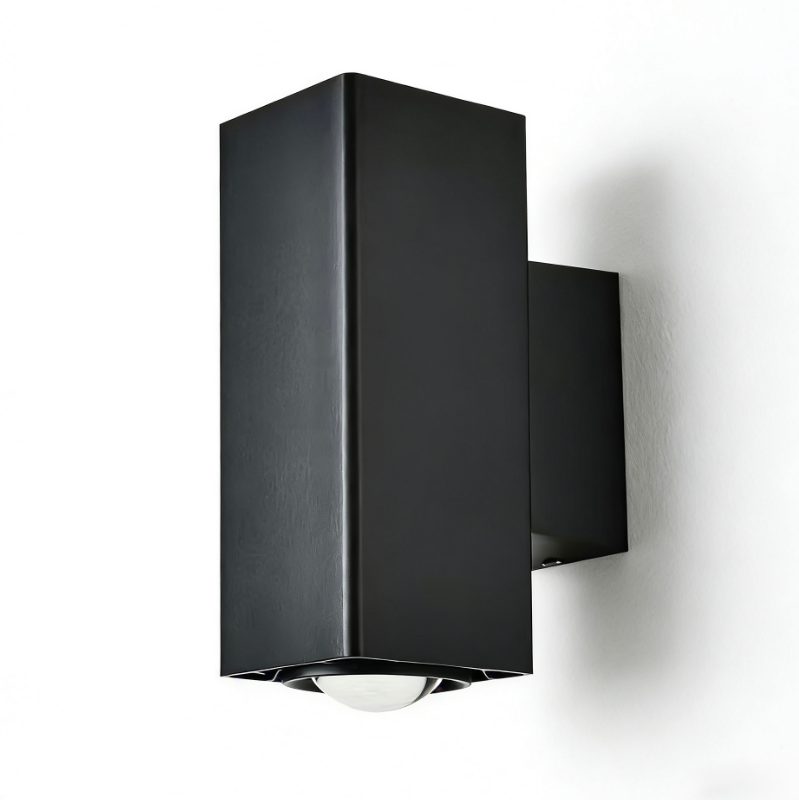
The A0696 Outdoor Wall Lights Motion Sensor uses a die-casting aluminum housing with tempered glass. It has an IP65 rating, CREE COB 2×5W LEDs, a KEDA driver, and 85–265V AC input at 50/60Hz. Its size is Ø65 × W100 × H160 mm.
The motion sensor supports automatic activation, while the light creates a softer exterior effect. The product carries a 3-year warranty, making it relevant for buyers who need a compact wall light with sensing functions.
- Increase Perceived Care in Property Presentation
Small exterior details can affect how a property is judged. Lighting that is properly positioned and visually consistent can suggest that the exterior has been planned with care.
For distributors and project buyers, outdoor wall lights for home can be evaluated by appearance, material, light source, control function, maintenance method, and installation environment. Together, these factors influence the final result.
Building Value Through Better Lighting Decisions
Exterior lighting does not increase property value through one feature alone. The effect comes from combining visibility, design consistency, practical control, durable construction, and manageable maintenance. Buyers should compare products according to where they will be installed and how they will be used over time.
At Keyida, we support B2B customers with modern outdoor lighting, OEM and ODM development, and project-related product options. For buyers planning exterior lighting projects, a clear review of style, function, material, and servicing needs can help create a more considered lighting plan.