In the evolving design landscape of 2026, outdoor pier mount lights have moved beyond simple utility. They are no longer just tools for navigation; they are critical architectural components. As we look at current trends in commercial landscape development, a dichotomy has emerged: the precise clean lines of linear profiles versus the organic nature of circular forms. Choosing between these shapes is a fundamental decision that dictates how a building communicates with its surroundings. For architects and developers, understanding which geometry fits your project is key to creating a cohesive visual identity.
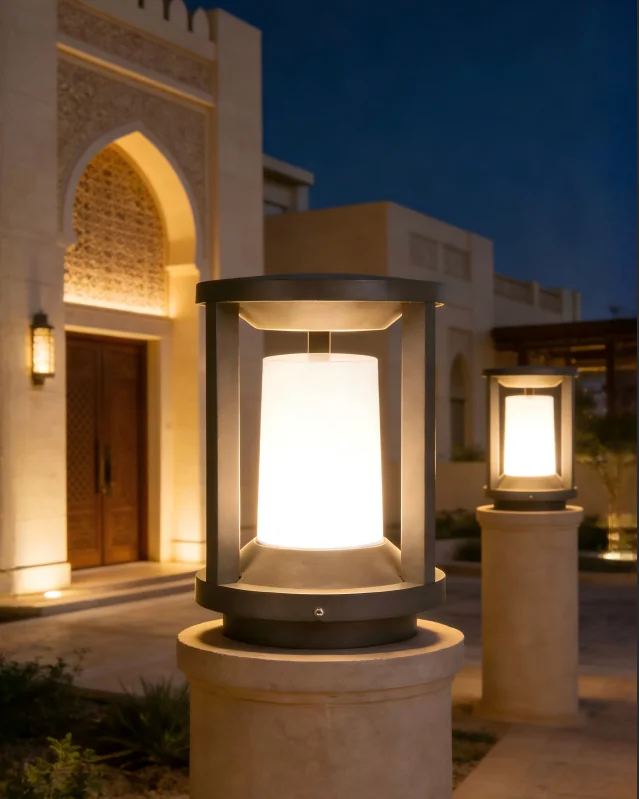
The Architectural Significance of Modern Pier Mount Lights
The design ethos for 2026 favors intentional, minimalist structures. In this environment, the lighting fixture becomes a defining statement piece. Modern pier mount lights are frequently being integrated into the building’s structural footprint rather than treated as an afterthought. When we discuss modern commercial design, we refer to the deliberate relationship between light, shadow, and the built environment.
A circular fixture provides a distinct, concentrated aesthetic. It draws the eye toward the mount point, creating visual interest that softens the hard edges of concrete columns. Conversely, linear fixtures emphasize the directional flow of a space. They are designed to graze the architecture, highlighting the texture of a wall with precision. Deciding which profile to choose requires analyzing the facade, the landscape, and the intended emotional response.
Linear Profiles: The Sharp Architectural Edge
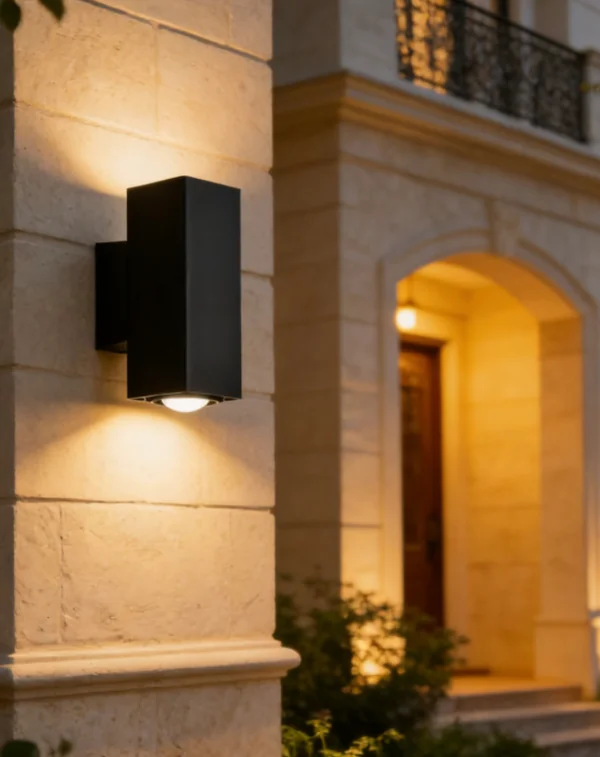
Linear pier mount fixtures are the preferred choice for commercial projects that emphasize geometric precision. If your architectural design features sharp angles, brutalist concrete, or modern glass-and-steel construction, linear profiles will undoubtedly be your strongest ally.
These fixtures offer a clean, streamlined aesthetic that seamlessly complements contemporary architecture. Because linear lights create a consistent, elongated wash, they are exceptionally effective at highlighting the structural verticality of columns. When you mount a linear light atop a square pier, the fixture effectively extends the visual line of the column upward. This makes the architecture appear taller, more robust, and highly deliberate.
Furthermore, linear optics provide a controlled, directional output. This is vital for commercial zones where light spill must be minimized. By concentrating the light, linear profiles allow designers to create precise light ribbons that guide pedestrians safely. In our manufacturing process at Keyida, we find that B2B clients working on high-end corporate headquarters consistently gravitate toward these refined profiles to maintain a sophisticated brand image.
Circular Profiles: Timeless and Softened Aesthetics
While linear profiles dominate the minimalist trend, circular modern pier mount lights hold a permanent place in commercial design due to their inherent ability to soften a harsh landscape. A circle is an organic shape that contrasts naturally with the rigid, unforgiving lines of stairs, paths, and large building blocks.
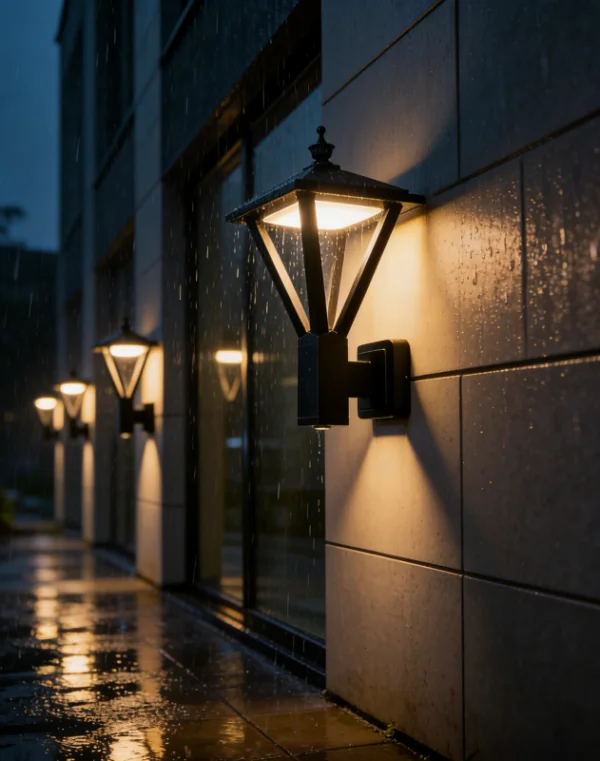
Circular pier mounts are the ideal choice for projects aiming for comfort or tradition. If your project involves historical masonry or layered landscaping, a circular fixture integrates seamlessly with the environment. The soft silhouette of a round fixture feels highly approachable. It evokes the classic lantern style but is executed through the advanced lens of modern LED technology.
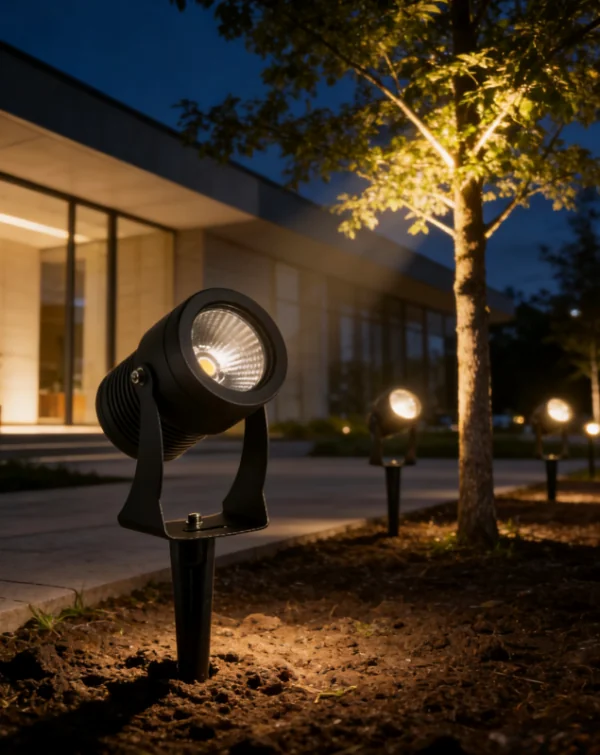
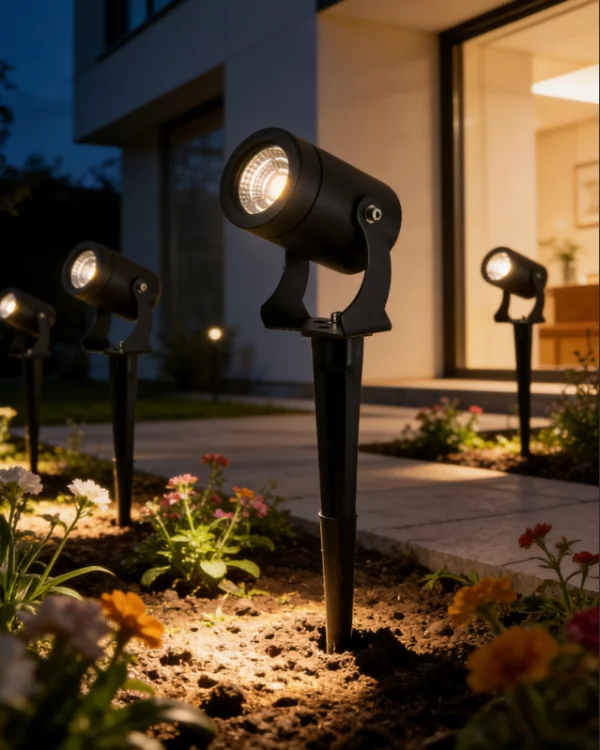
Beyond aesthetics, circular fixtures offer an omnidirectional distribution of light. While linear lights are highly precise, circular lights are inclusive. They wash the entire perimeter of a column, which is highly beneficial in security-focused or open-plan areas where identifying the immediate surroundings is a top priority. For developers striving to create a welcoming, resort-style atmosphere, circular profiles remain the industry standard.
How We Engineer Precision in Every Shape
Whether a project demands the sharp linearity of a modern profile or the soft curves of a circular design, manufacturing quality remains the true constant. At Keyida, we understand that sophisticated design is nothing without underlying mechanical integrity. An architect may specify a beautiful, slim-profile fixture, but if that hardware cannot withstand the outdoor elements, the entire design fails.
As an experienced OEM and ODM specialist, our manufacturing philosophy is strictly rooted in material excellence. We utilize high-purity die-cast aluminum for our column lamps. This heavy-duty material provides the necessary heat dissipation to maximize the lifespan of the internal LED arrays. We recognize that commercial clients demand sustainability. Our fixtures are built for absolute longevity, reducing the need for premature replacements and significantly lowering long-term operational costs.
When you bring a design concept to us, we provide a comprehensive lighting solution. Our engineers meticulously modify the internal reflectors and optic lenses to perfectly suit your chosen profile. For a linear fixture, we can engineer custom beam angles that slice through the darkness with surgical accuracy. For a circular fixture, we can develop custom frosted diffusers that eliminate harsh glare and create a gentle glow.
Choosing for the Future of Your Project
The decision to specify linear or circular outdoor pier mount lights should always be driven by the specific architectural language of your commercial building. If you are aiming for a crisp, futuristic aesthetic, linear is the definite path forward. Conversely, if you are cultivating an environment of luxury, warmth, and organic flow, circular remains the superior choice.
At Keyida, we are ready to support your vision. By partnering with a dedicated B2B manufacturer that prioritizes both distinct form and robust engineering, you ensure that your design decisions hold up under real-world pressure. Let our industry expertise guide your specification process to define the future of your commercial outdoor spaces.