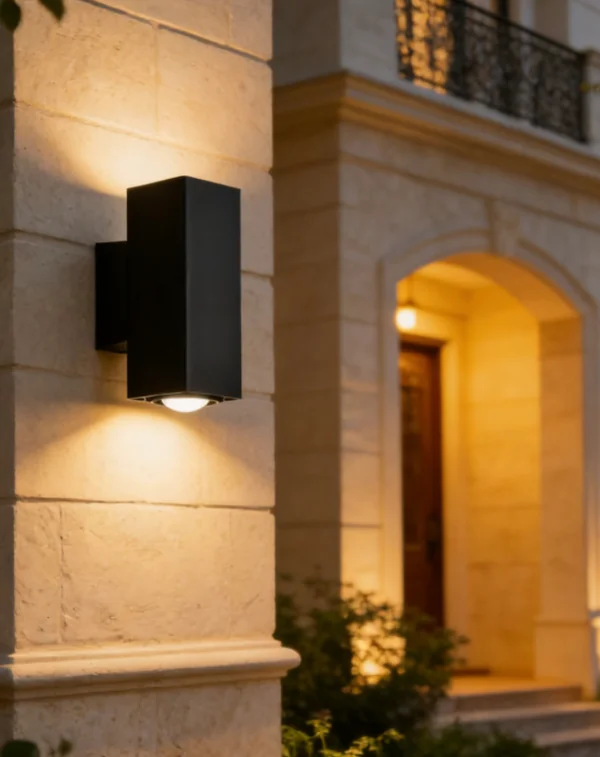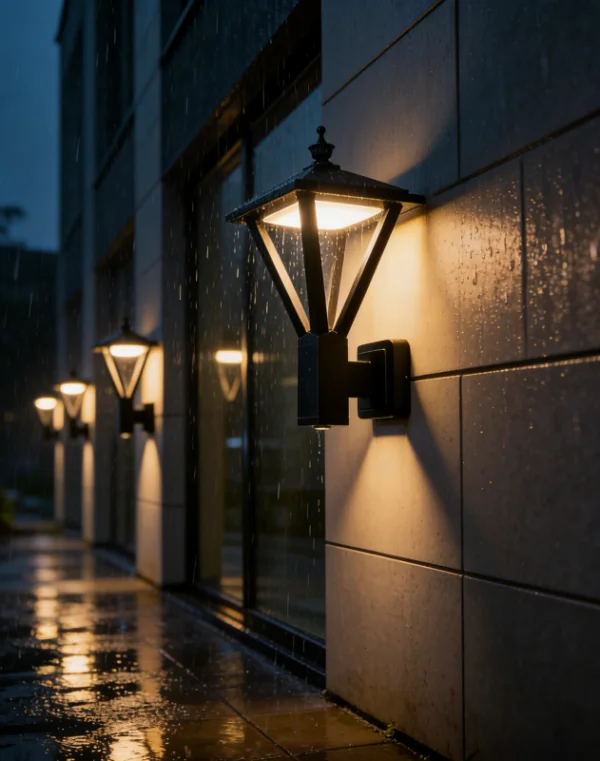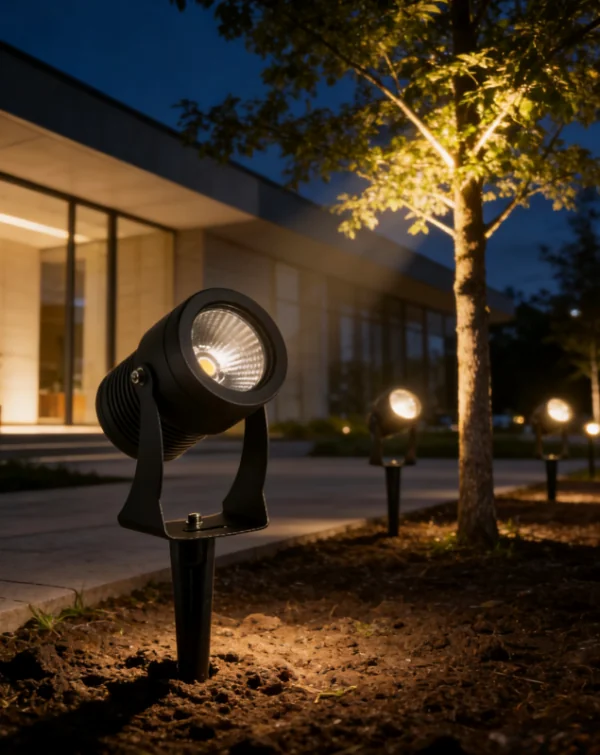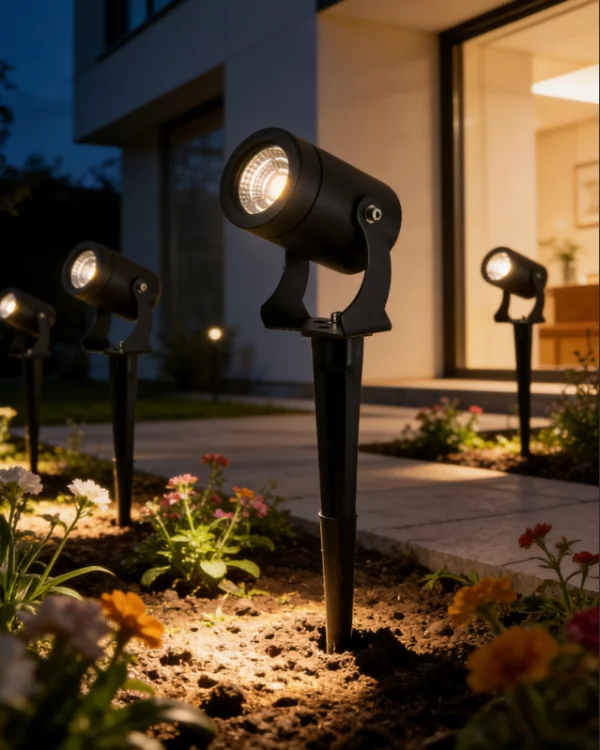
Installing lighting on a brick façade is a common requirement in residential, commercial, and hospitality projects. At Keyida, we design systems that support practical installation scenarios rather than theoretical conditions. In many projects, outdoor wall lighting is selected to improve visibility, enhance façade structure, and maintain consistent exterior aesthetics across different building types. Correct installation contributes to both safety and long-term stability.
This guide explains how we approach brick wall installation from a product and engineering perspective, combining structural preparation, electrical safety, and fixture compatibility. The process is especially relevant for contractors and distributors working with outdoor wall lighting solutions in large-scale projects.
Site Preparation and Tool Selection for Outdoor Wall Lighting
Before installation begins, proper preparation is essential. Standard tools include a hammer drill, masonry drill bits, expansion anchors, screws, a measuring tape, a level tool, and insulated electrical testers. Each tool plays a role in ensuring that the mounting process for outdoor wall lighting remains stable and aligned with construction requirements.
We usually recommend checking wall conditions first. Brick surfaces may vary between solid and hollow structures, and this affects drilling depth and anchor selection. Identifying wall type in advance reduces installation deviation and improves fixture stability.
Position Marking and Layout Planning for Outdoor Wall Lamp
Accurate positioning is the foundation of safe installation. We typically mark mounting points based on lighting coverage requirements, wall height, and cable entry points. A level tool is used to help achieve symmetrical alignment, especially in façade projects where visual consistency is important.
In Keyida product applications, outdoor wall lamp installation is designed with standardized backplate spacing to simplify alignment. This reduces installation time and minimizes errors during large-scale deployment across multiple building units.
Drilling Techniques for Brick Surfaces
Drilling into brick requires controlled speed and appropriate drill bit selection. A masonry drill bit is recommended to reduce surface cracking. For solid bricks, deeper anchoring is required, while hollow bricks may need chemical anchors or sleeve anchors depending on load conditions.
During this stage, installers should make sure that dust is cleared from drilled holes before inserting anchors. This improves grip strength and ensures stable fixation of outdoor wall lamp systems under long-term outdoor exposure.
Electrical Wiring and Safety Isolation
Electrical safety is a critical part of the installation process. Power must be fully disconnected before any wiring work begins. We recommend using junction boxes to protect cable connections from moisture and environmental exposure.
For outdoor wall lighting systems, grounding is essential to reduce electrical risks in humid or rainy conditions. Wire connections should be insulated and tested before mounting the fixture onto the wall to avoid post-installation faults.
Mounting Structure and Fixture Installation for Outdoor Wall Lighting
Once wiring is complete, the mounting bracket can be secured using expansion bolts. Even torque distribution is important to avoid tilting or structural stress on the brick surface. We design our systems to support stable installation across different wall materials, including brick, concrete, and composite façades.
In many outdoor wall lighting applications, modular backplates help installers achieve faster alignment. This is particularly useful in commercial projects where multiple fixtures are installed in sequence along long building exteriors.
Waterproof Sealing and Environmental Protection for Outdoor Wall Lamp
After fixture installation, sealing is applied around drilled points to prevent water infiltration. Silicone sealant is commonly used to protect structural gaps between the wall and mounting base.
Keyida products incorporate improved housing sealing structures that enhance resistance to rain and humidity. In outdoor wall lamp applications, this step significantly extends service stability, especially in coastal or high-rainfall regions.
Product Integration Example: Keyida A0696 Series
A practical example is the Keyida A0696 series, designed for modern exterior lighting applications. It features an aluminum lamp body combined with PC or acrylic diffusion covers, providing structural stability and consistent light output.
The product supports both LED modules and E27 bulb configurations, allowing flexible lighting replacement depending on project requirements. This adaptability is particularly useful in retrofit installations where existing electrical setups are reused for new outdoor wall lighting systems.
Functional Expansion and Smart Lighting Options
Modern outdoor installations increasingly integrate functional enhancements beyond basic illumination. Our systems support CCT adjustment for color temperature control and RGB lighting for decorative applications.
Optional smart modules such as PIR motion sensors or radar-based detection can also be integrated. These features improve energy efficiency and are commonly applied in outdoor wall lighting projects for residential communities and commercial corridors.
Common Installation Issues in Brick Wall Applications
Several issues frequently appear during installation. One common problem is over-drilling, which weakens anchor grip inside brick structures. Another is incorrect leveling, which leads to uneven light distribution across building façades.
Cable sealing errors are also common and may result in moisture entering the electrical housing. Proper step-by-step execution helps reduce maintenance needs and ensures consistent performance of outdoor wall lamp systems.
Maintenance and Long-Term Operational Stability
After installation, periodic inspection is recommended. Checking mounting stability and cleaning the lamp surface helps maintain consistent lighting performance. Dust accumulation can reduce brightness efficiency over time, especially in outdoor environments.
Keyida products are designed with replaceable LED components, reducing long-term maintenance complexity. This is particularly beneficial for B2B customers managing large-scale outdoor wall lighting installations across multiple sites.
OEM and Project-Based Installation Compatibility
At Keyida, we support OEM and ODM cooperation for different engineering requirements. This includes customization of lamp structure, color finishes, and functional modules based on project specifications.
For large projects, standardized installation systems help maintain consistency across all outdoor wall lamp units. This reduces labor variation and helps contractors maintain uniform construction quality across multiple buildings.
Conclusion: Structured Installation for Reliable Outdoor Lighting Systems
Installing lighting on brick walls requires coordination between structural drilling, electrical safety, and waterproof sealing. Each step directly influences the long-term performance of the system.
At Keyida, we focus on practical engineering design that supports real installation conditions. Our outdoor wall lighting solutions are developed to support compatibility, durability, and ease of deployment across different architectural environments.