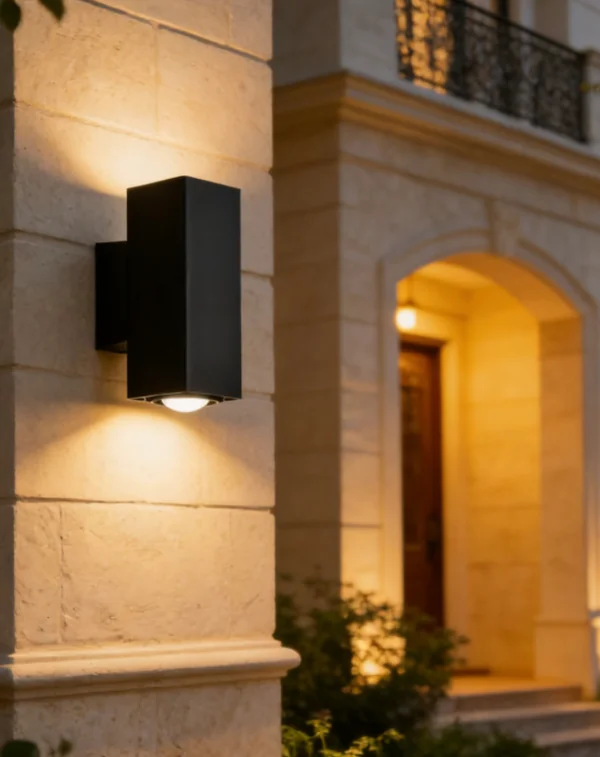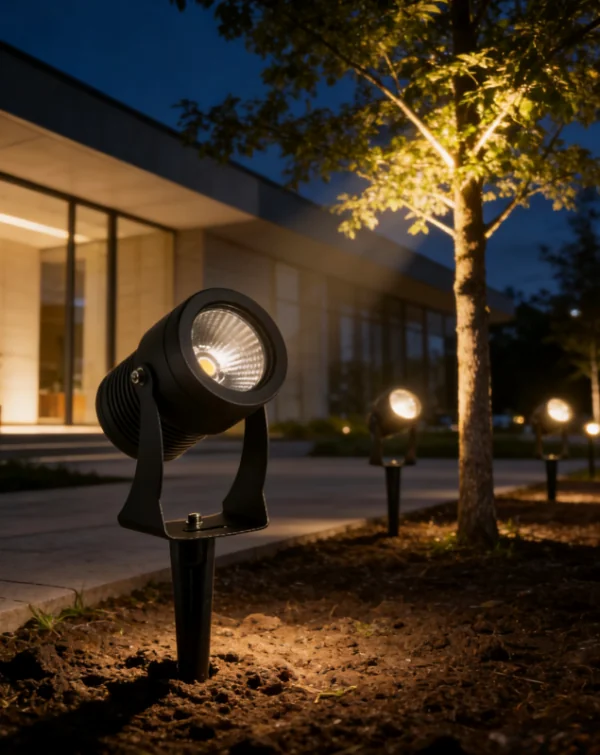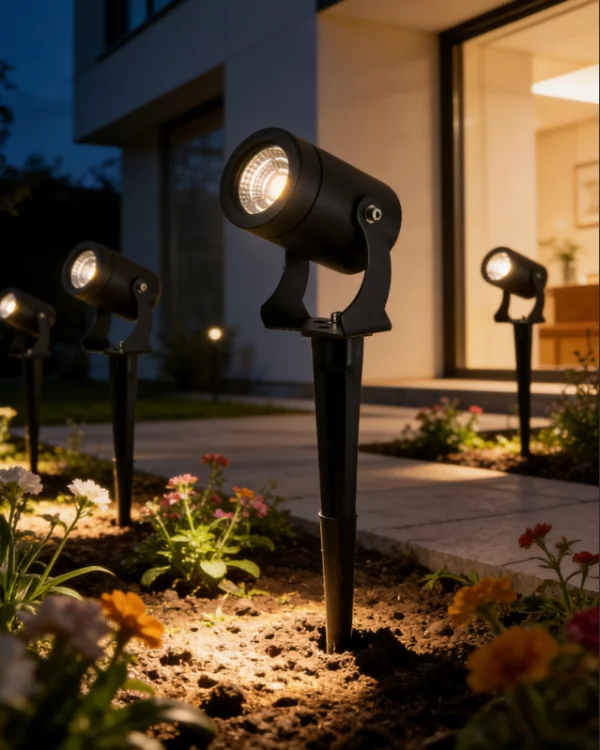
Modern outdoor lighting installation is not only about placing fixtures along a walkway. It involves planning electrical layout, selecting suitable optics, and ensuring long-term durability in outdoor environments. At Keyida, we design lighting systems for B2B clients such as landscape contractors, property developers, and commercial builders who require stable performance and flexible customization. Our product range includes wall-mounted units, landscape fixtures, and modular systems designed for structured installation.
This article explains how we approach installation planning and how outdoor path lights can be integrated into professional projects with practical steps and design considerations.
Site Planning and Electrical Preparation for Outdoor Path Lights
Before installation begins, we always start with a structured site survey. This includes walkway length, spacing between fixtures, and power access points. For outdoor path lights, consistent spacing is important to help achieve uniform illumination without dark zones or overexposure.
We typically recommend low-voltage layouts for commercial projects, as they simplify maintenance and reduce energy load. Cable routing is planned underground or along protected conduits. In our projects, Keyida also provides 2D installation drawings to help contractors align lighting positions with landscape architecture.
Fixture Selection and Environmental Matching
Selecting the right fixture depends on weather exposure, design style, and functional requirements. In many projects, we use bollard lights for pathways that require both visual guidance and architectural enhancement.
When choosing between models, we consider housing material, diffuser type, and heat dissipation structure. Our aluminum-based designs with PC or acrylic covers are commonly applied in outdoor environments because they balance durability and light diffusion. This ensures stable performance even in long operating cycles.
Installation Steps for bollard lights in Pathway Systems
The installation process for bollard lights usually begins with marking positions based on the lighting layout plan. We aim to keep each foundation point is level and aligned with walkway geometry. Concrete bases are commonly used to secure vertical stability.
After fixing the base, wiring is connected through waterproof junction systems. The fixture body is then mounted and sealed. In Keyida systems, LED modules and drivers are designed to be replaceable, which simplifies future maintenance without dismantling the entire structure.
Wiring Configuration and Safety Considerations for Outdoor Path Lights
Electrical safety is a key focus in every installation of outdoor path lights. We usually separate lighting circuits into zones to avoid overload and make troubleshooting easier. Each zone is tested before final sealing.
Waterproof connectors and insulated cables are used to prevent moisture intrusion. For commercial outdoor projects, we also recommend surge protection devices, especially in regions with unstable voltage conditions. This ensures system stability during long-term operation.
Surface Finishing and Structural Integration
At Keyida, we focus not only on function but also on surface quality. Each fixture body is finely polished before painting, improving coating adhesion and long-term durability. This is particularly important for landscape installations where visual appearance matters.
In our product line, bollard lights are designed with modern minimalist styling to blend with architectural surroundings. The structure is optimized to withstand outdoor conditions while maintaining a clean visual profile for commercial environments.
Functional Configuration in Outdoor Path Lights Systems
Modern lighting systems often include adjustable features. In outdoor path lights, we support CCT adjustment, allowing users to shift between warm and cool tones depending on project needs. RGB options are also available for decorative applications.
We also integrate motion sensing modules such as PIR or radar detection in selected models. This helps reduce energy consumption in low-traffic periods while maintaining safety along pathways in commercial or public areas.
Maintenance Strategy for bollard lights
Maintenance planning is an important part of long-term lighting performance. For bollard lights, we design modular components so LED chips and drivers can be replaced individually rather than replacing the entire fixture.
Keyida systems are built with maintenance accessibility in mind. Contractors can access internal components through sealed but removable structures. This reduces downtime and improves lifecycle cost efficiency for property operators and engineering teams.
Product Integration Example: Keyida B0254 Series
A typical example in our portfolio is the B0254 series, designed for modern outdoor pathway applications. The structure uses aluminum housing combined with a PC or acrylic diffuser, supporting stable light output in exterior environments.
This model aligns with outdoor path lights requirements in residential communities, commercial parks, and hospitality projects. It supports both LED module configurations and lamp-based (E27) options, giving flexibility for different project standards and maintenance preferences.
Customization and OEM/ODM Capability
As a manufacturer, we provide OEM and ODM services for large-scale projects. Clients can adjust color finishes, lighting temperature, and sensor configurations based on project specifications. Standard colors include black and gray, while custom coatings are available for architectural matching.
In many engineering cases, bollard lights are customized to match landscape themes or brand identity requirements. We also supply complete technical documentation including installation manuals and CAD drawings for engineering teams.
Conclusion: Practical Approach to Installation Planning
Installing outdoor lighting systems requires coordination between design intent, electrical planning, and fixture selection. Whether using pathway systems or architectural lighting structures, proper installation ensures long-term stability and visual consistency.
At Keyida, we focus on delivering structured solutions that support engineering teams from planning to execution. By combining durable materials, modular design, and flexible configuration, we help projects achieve reliable lighting performance in diverse outdoor environments.