Landscape lighting manufacturers like Keyida often design systems with installation clarity in mind, because outdoor lighting projects require both electrical safety and structural planning. When we work with LED landscape lights, we focus on how installers can move from planning to execution without unnecessary complexity.
At Keyida, we support B2B clients with product documentation, installation guides, and design references. Our outdoor lighting systems are developed for modern residential and commercial environments, combining durability with installation-friendly structures. Understanding the full process helps reduce on-site errors and improves long-term performance.
Planning Before Installing Outdoor Lighting Systems
Before installation begins, we usually evaluate the site layout, power access points, and lighting purpose. Outdoor lighting design is not only about aesthetics but also about functional illumination paths, safety zones, and energy efficiency planning.
We also consider fixture placement height, cable routing distance, and weather exposure conditions. These factors influence both installation time and long-term maintenance requirements. Proper planning ensures smoother wiring and reduces rework during execution.
LED Landscape Lights Installation Planning Basics
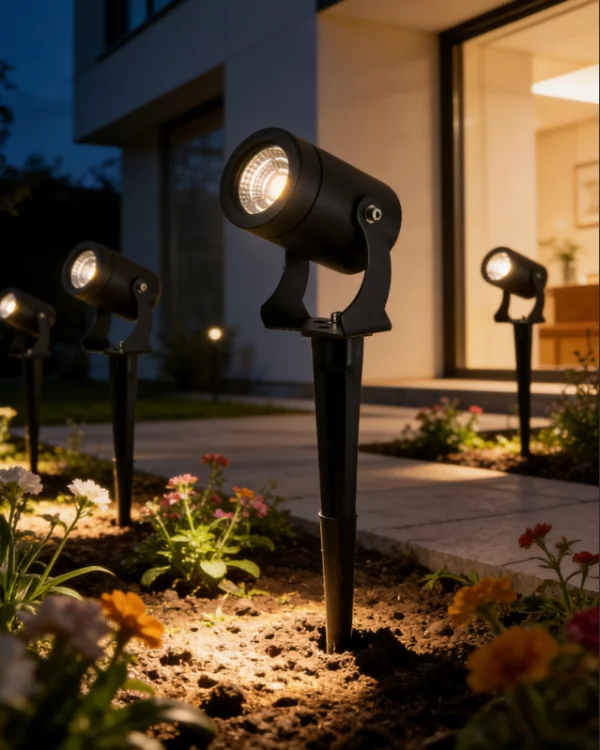
When working with LED landscape lights, installation planning should always include voltage verification and fixture compatibility checks. These lighting systems are commonly used in pathways, gardens, and building perimeters, where consistent illumination is required.
At Keyida, we design LED-based outdoor fixtures with stable drivers and modular components. This allows installers to replace or adjust parts without dismantling the entire system. Our product documentation helps technicians understand mounting structure and wiring configuration before physical installation begins.
Tools and Safety Preparation
Before installation, we prepare essential tools such as insulated screwdrivers, voltage testers, waterproof connectors, and mounting brackets. Safety is a priority because outdoor electrical work involves exposure to moisture and soil conditions.
We always recommend disconnecting the main power supply before beginning any wiring process. Protective equipment such as gloves and insulated footwear also helps reduce electrical risks during installation.
Understanding Keyida Outdoor Fixture Structure
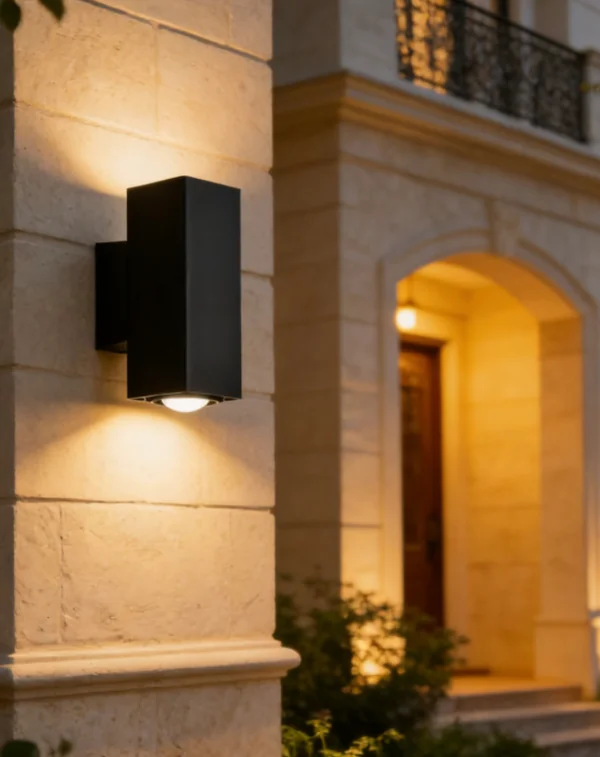
Keyida outdoor lighting fixtures are built with aluminum housings and PC or acrylic diffusers. This structure supports stable outdoor performance under varying weather conditions. The surface treatment process includes fine polishing before painting to improve coating durability.
Our design approach also allows compatibility with LED chips and replaceable drivers. This reduces maintenance costs for long-term B2B projects such as hotels, commercial walkways, and residential landscaping developments.
Step-by-Step Fixture Mounting Process
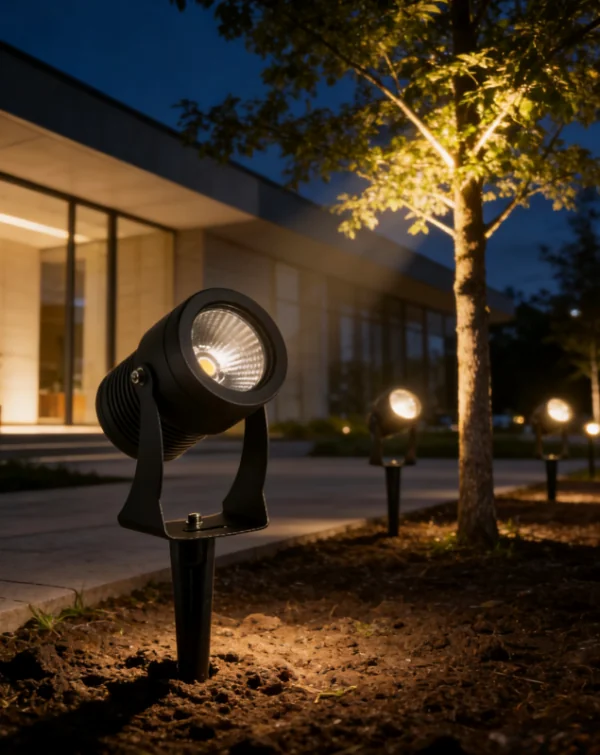
During installation, the first step is marking the mounting position according to the lighting plan. Drill points are then prepared based on bracket size and fixture design.
After securing the base, wiring connections are made using waterproof connectors. In some cases, junction boxes are installed to improve safety and simplify future maintenance. Once wiring is complete, fixtures are mounted and adjusted for beam direction.
Electrical Connection and System Setup
Electrical connection requires careful polarity checking and voltage matching. We make sure all wiring follows local installation standards to prevent overload or short circuits.
At Keyida, we design systems that support both LED drivers and optional E27 bulb bases. This flexibility allows installers to adapt lighting configurations based on project requirements without changing the fixture structure.
Testing and Adjustment After Installation
After installation, system testing is essential. We check brightness consistency, beam angle alignment, and circuit stability. Any irregularities in lighting output are adjusted at this stage.
We also verify whether sensors such as PIR or radar modules respond correctly if integrated into the system. This ensures the lighting operates as expected in real environmental conditions.
Role of landscape Lighting Manufacturers in Installation Support
Experienced landscape lighting manufacturers like Keyida provide technical documentation that supports installers during field work. These materials include wiring diagrams, mounting guides, and product specifications.
We also offer OEM and ODM services, which means installation requirements can vary based on project customization. This flexibility helps contractors adapt lighting systems to different architectural styles and outdoor environments.
Maintenance Considerations After Installation
Once installed, outdoor lighting systems require periodic inspection. We recommend checking fixture sealing, cable insulation, and mounting stability over time.
Our LED systems are designed for long service cycles, typically 5–6 years under normal conditions. However, environmental factors such as humidity or dust may require more frequent maintenance in certain regions.
System Flexibility and Product Adaptation
Keyida outdoor lighting solutions support multiple control options, including CCT adjustment and RGB lighting modes. This allows lighting environments to be adapted for different scenes such as residential gardens or commercial landscapes.
We also provide support for color customization and smart control integration. These features make installation more flexible for contractors working on diverse project types.
Final Installation Summary
A structured installation process helps support consistent and safe performance of outdoor lighting. From planning and wiring to testing and maintenance, each step contributes to system stability.
At Keyida, we design LED landscape lights with installation practicality in mind, helping project teams reduce complexity during deployment. As one of the experienced landscape lighting manufacturers, we focus on delivering systems that align with real-world installation needs rather than theoretical designs.