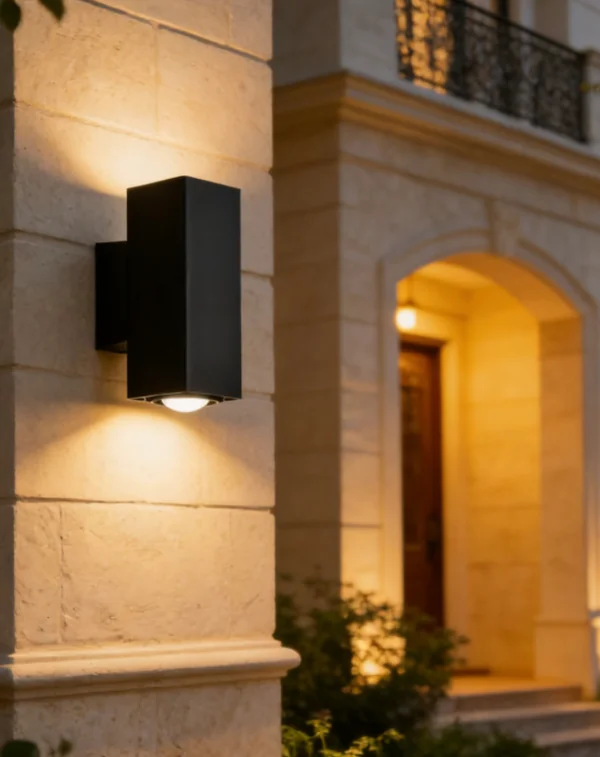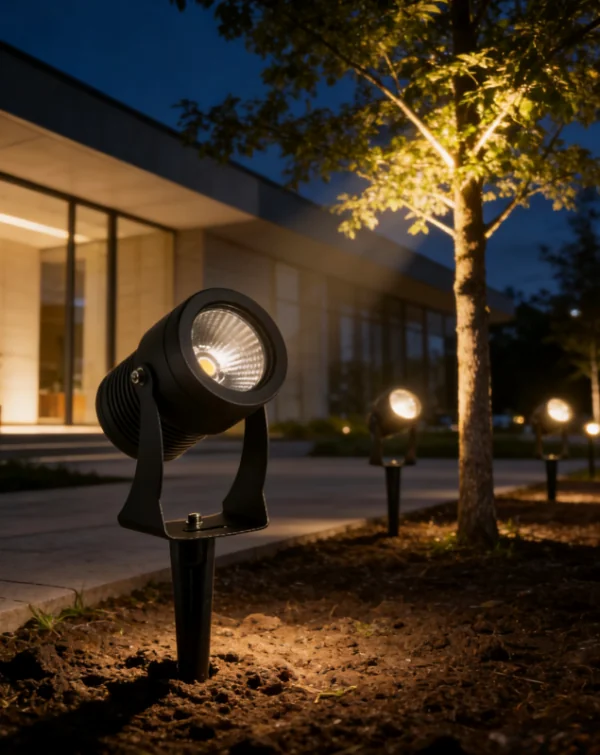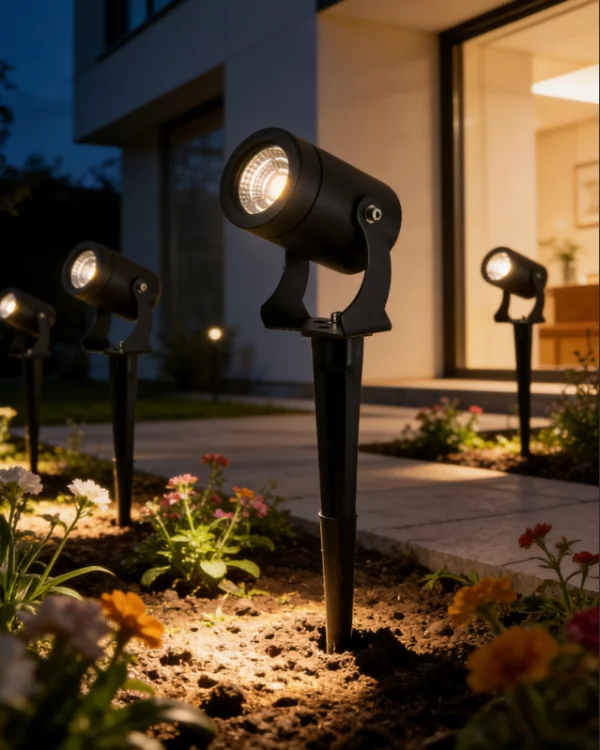
Outdoor lighting installation is not only about wiring fixtures together. It requires understanding circuit planning, product compatibility, and environmental safety. In our work at Keyida, we often see that correct installation methods directly influence long-term performance and maintenance cost. This is especially important for B2B projects where lighting systems are deployed across building facades, pathways, and commercial exteriors with different load requirements and usage patterns.
Wiring Principles in Modern Outdoor Lighting
When working with modern outdoor lighting, the first step is always planning the electrical layout before installation. We usually recommend dividing circuits by zones such as entrance areas, wall-mounted lights, and landscape sections. This helps avoid overload and simplifies later maintenance in commercial projects.
Our systems typically support LED-based structures with stable drivers, allowing consistent voltage distribution. Keyida designs focus on aluminum housing and PC or acrylic covers, which help maintain insulation and durability during long-term outdoor exposure.
Understanding Circuit Layout for Safe Installation
Before connecting any fixtures, the circuit load must be calculated according to total wattage. In B2B applications, we often advise installers to separate high-load and low-load lighting lines. This ensures stable operation and reduces risk of voltage drop.
For projects using Keyida lighting systems, CE, RoHS, and SAA compliance supports international installation standards. This makes system integration more predictable for contractors working across different regions such as Europe and the Middle East.
Product Selection for Custom Outdoor Lighting Fixtures
Choosing custom outdoor lighting fixtures requires evaluating both structure and function. At Keyida, we produce modern outdoor lamps with aluminum bodies and anti-corrosion surface treatment. Each unit is finely polished before painting, which improves coating durability in outdoor environments.
Our OEM and ODM capability allows clients to adjust color temperature (CCT), RGB lighting modes, and even motion detection features like PIR or radar sensors. This flexibility is important for commercial lighting projects that require design consistency and functional variation.
Step-By-Step Connection Process
When connecting outdoor lights, we usually follow a structured process. First, we isolate power supply lines to help maintain safety. Second, we connect drivers and LED modules according to polarity requirements. Third, we test each circuit section before full activation.
Keyida lighting systems are designed with replaceable LED chips and drivers, which simplifies maintenance after installation. This reduces downtime for commercial properties such as hotels, retail buildings, and residential complexes.
Smart Integration in Modern Lighting Systems
In many modern outdoor lighting applications, smart control systems are becoming more common. These include motion detection, timing control, and brightness adjustment based on environmental conditions.
Our product range supports both RGB and CCT adjustment, allowing installers to configure lighting scenes depending on project requirements. For example, commercial walkways may use warm light for comfort, while building exteriors may use cooler tones for visibility.
Keyida System Structure and Installation Compatibility
Keyida designs its outdoor lighting products with installation flexibility in mind. The structure supports both E27 bulb systems and integrated LED modules, allowing contractors to switch configurations based on project design.
Each system is tested for waterproof performance, making it suitable for long-term outdoor exposure. We also provide 2D drawings, high-resolution product images, and installation manuals to support engineering teams during deployment.
Expanding Use of Custom Outdoor Lighting Fixtures
The demand for custom outdoor lighting fixtures is increasing in commercial and architectural projects. In our experience, clients often require lighting systems that match building aesthetics while maintaining functional stability.
Keyida supports small-batch production starting from 200 units per model, while customized color options may require up to 800 units. This production flexibility is important for contractors managing multi-site projects or phased construction plans.
Maintenance Considerations after Installation
After installation, regular inspection is important for ensuring system stability. We recommend checking wiring connections, waterproof seals, and driver performance periodically.
Because Keyida products use modular LED components, replacement can be completed without removing the entire fixture. This design helps reduce maintenance effort for property managers and engineering teams working on large-scale outdoor lighting systems.
Practical Application in Commercial Environments
Outdoor lighting connection methods vary depending on project scale. In commercial environments such as retail centers or public walkways, centralized power distribution is often used. In residential projects, distributed wiring systems are more common.
Keyida solutions are widely used in both scenarios, supported by stable production capacity from a 7,000㎡ workshop and a 1,100㎡ showroom that reflects real installation cases and product configurations.
Installation Safety and Environmental Considerations
Electrical safety is a key factor in outdoor lighting installation. All connections must be properly insulated to prevent moisture-related issues. Junction boxes should also be positioned in accessible but protected areas.
Our products are designed with durable housing materials and tested under outdoor conditions to support stable operation in varying climates. This supports long-term use in both humid and dry environments.
Project Customization and OEM/ODM Support
For large-scale engineering projects, customization is often required. Keyida provides OEM and ODM services to adjust lighting structure, appearance, and functional modules.
This includes custom finishes such as black or grey coatings, as well as integration of smart sensors. These capabilities allow contractors to adapt lighting systems to architectural requirements without redesigning the entire installation plan.
Conclusion: Building Reliable Outdoor Lighting Systems
Connecting outdoor lighting is a structured process that combines electrical planning, product selection, and long-term maintenance strategy. At Keyida, we focus on delivering systems that balance installation simplicity with functional flexibility for commercial environments.
By applying proper wiring methods and selecting adaptable lighting systems, contractors can improve efficiency and reduce maintenance risks. This approach is especially relevant in modern architectural lighting projects where performance and design must work together seamlessly.