Warehouse loading areas operate under changing conditions. Trucks may arrive early in the morning, late at night, or during periods of low natural light. Workers need clear visibility around loading doors, vehicle paths, and nearby walls. A suitable motion sensor outdoor wall light can support these areas by providing illumination when movement is detected, while reducing the need for continuous manual switching.
Lighting choices in loading zones should consider more than brightness. Mounting position, sensing range, weather exposure, housing strength, and maintenance all affect daily use. For this reason, an outdoor wall lamp for warehouse loading areas should be selected according to the real movement pattern of people and vehicles.
Why Loading Areas Need Responsive Lighting
Warehouse loading zones are different from standard indoor spaces. Activity levels can change quickly, and some areas may remain unused for long periods. Fixed lighting can still be suitable in certain projects, but motion-triggered lighting adds another control option for entrances, side passages, and loading doors.
The main benefit is practical response. When workers approach a loading point, the light can activate without requiring them to reach a switch. This is useful when staff are carrying goods, operating carts, or moving between indoor and outdoor areas.
Positioning Matters More Than It Seems
Sensor lighting performance depends heavily on installation position. Mounting a fixture too high, too low, or too close to obstacles may reduce sensing efficiency. Warehouse operators should review the direction of pedestrian traffic, vehicle approach paths, and the location of doors before deciding where to install the fixture.
We also recommend checking the relationship between fixture height and the illuminated zone. The goal is not simply to install more lights. It is to place each fixture where the sensor and beam can support the required activity with fewer blind areas.
Loading schedules can also change by season or shipment volume. A lighting plan should therefore consider both regular traffic and quieter periods. This helps project teams avoid relying on one operating pattern when evaluating sensor placement, switching logic, and fixture quantity.
Outdoor Structure and Weather Protection
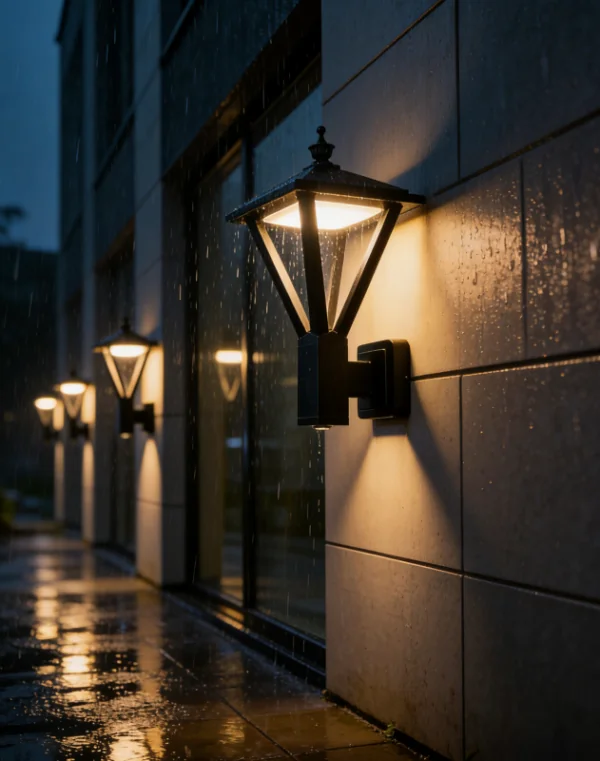
Loading areas may be covered, semi-covered, or fully exposed. Moisture, dust, temperature changes, and wind-driven rain can all affect outdoor fixtures. Housing and sealing design therefore deserve attention during product selection.
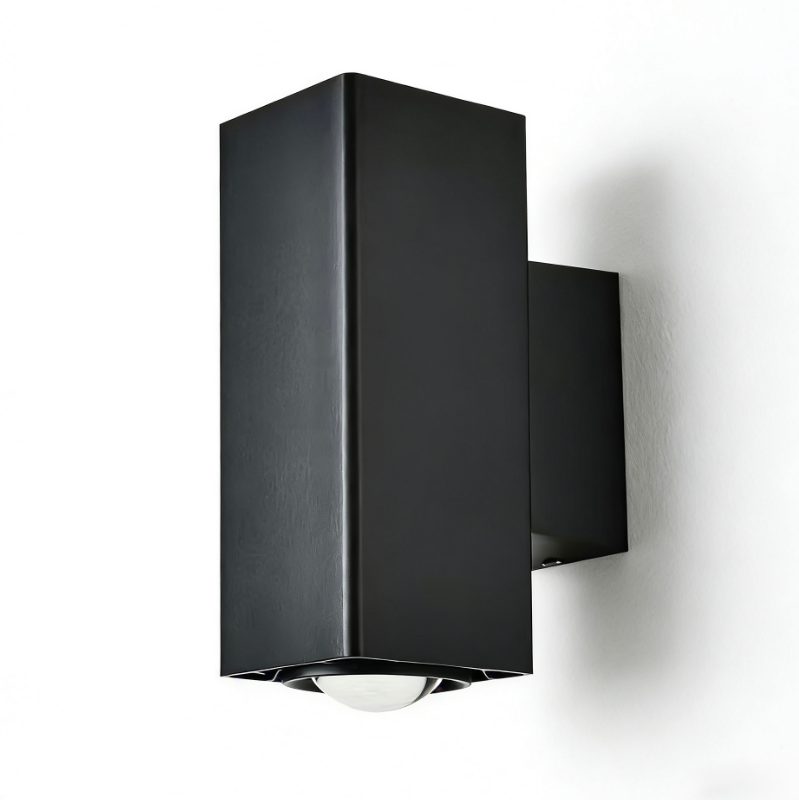
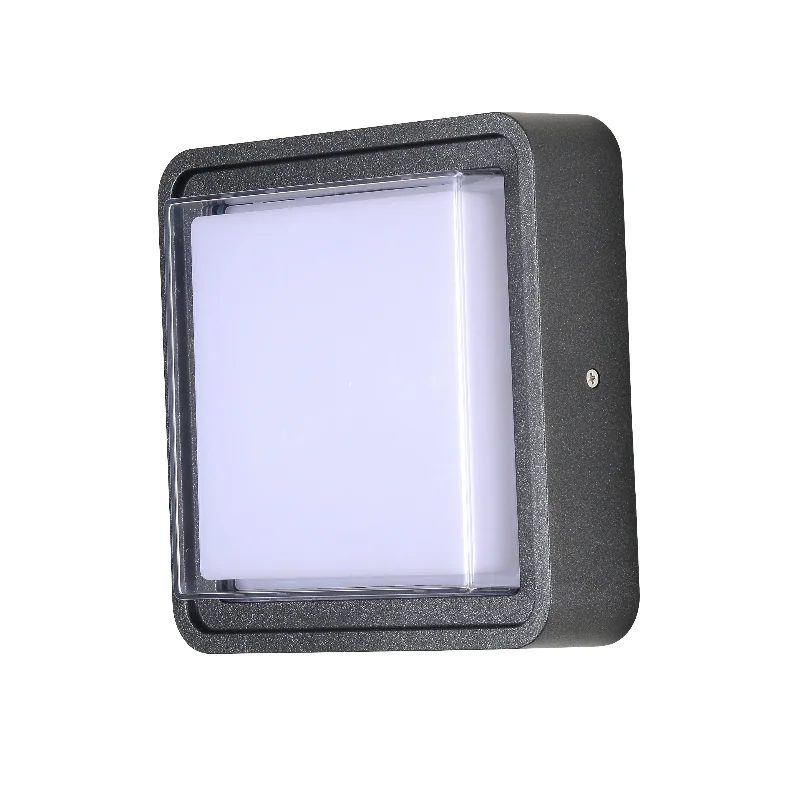
For this type of application, Keyida offers models designed around compact outdoor structures. Our G0897 uses a die-casting aluminum housing with a PC lampshade and carries an IP65 rating. This structure is suitable for outdoor wall installation where the fixture may face dust and water exposure during normal use.
The G0897 measures Ø210 × H72 mm. Its compact profile suits loading-bay walls where installation space may be limited.
Light Source and Electrical Compatibility
For warehouse projects, electrical compatibility should be reviewed before installation. Voltage range, driver design, LED power, and local supply conditions all need to match the project plan.
The G0897 uses an Epistar SMD 12W LED chip with a KEDA driver. Its input range is 85–265V AC at 50/60Hz. This wide input range can support different project requirements, but installers should still confirm local electrical conditions and follow the applicable wiring method.
Stable LED and driver performance is also important for maintenance planning. In warehouse environments, frequent access to wall-mounted fixtures may not always be convenient. Selecting products with replaceable lighting components can help reduce service difficulty over time.
Sensor Functions Should Match Real Traffic
A motion sensor should respond to useful movement rather than simply reacting as often as possible. In loading areas, the ideal response depends on whether the zone is used mainly by staff, forklifts, delivery vehicles, or a mix of traffic types.
For a motion sensor outdoor wall light, project planners should review expected detection direction and operating frequency. Busy loading bays may need different settings from secondary entrances that are only used a few times each day.
Maintenance Planning for Warehouse Use
Maintenance is often overlooked during initial lighting selection. Warehouse managers should consider how easily a fixture can be inspected, cleaned, or serviced after installation.
The G0897 carries a three-year warranty. For B2B projects, this gives distributors, contractors, and project buyers a clear reference when planning after-sales support. Our company also supports OEM and ODM cooperation for customers that need different appearance, function, or market configurations.
An outdoor wall lamp used in loading areas should also be checked regularly for dust buildup, surface condition, and secure mounting. Periodic inspection helps keep the fixture suitable for its operating environment and makes it easier to identify service needs before they affect daily use.
A Practical Lighting Approach for Loading Zones
Good loading-area lighting starts with the movement pattern of the site. Sensor direction, wall position, weather exposure, electrical conditions, and maintenance access should all be reviewed together. This produces a more practical result than choosing a fixture only by appearance or wattage.
At Keyida, we focus on modern compact outdoor lighting for B2B customers and support OEM and ODM development. For warehouse loading scenarios, the G0897 provides a combination of IP65 protection, a die-casting aluminum body, PC lampshade, 12W LED source, wide input voltage, and a three-year warranty. These specifications give project buyers a clear basis for evaluating whether the model fits their installation plan.