Public parks often use automatic sprinkler systems to maintain lawns, flower beds, and planted areas. Outdoor lighting installed near these zones may face repeated water spray, wet soil, and moisture around the base. For planners and lighting buyers, choosing an IP65 lawn lamp requires more than checking whether the fixture can operate outdoors. Water direction, installation position, drainage, and maintenance access also affect long-term use.
For distributors and project buyers, these details become especially important when selecting bollard lights for paths, landscape borders, and public green spaces. A suitable fixture should match both the lighting plan and the actual irrigation conditions around the installation area.

Why Sprinkler Exposure Requires Extra Attention
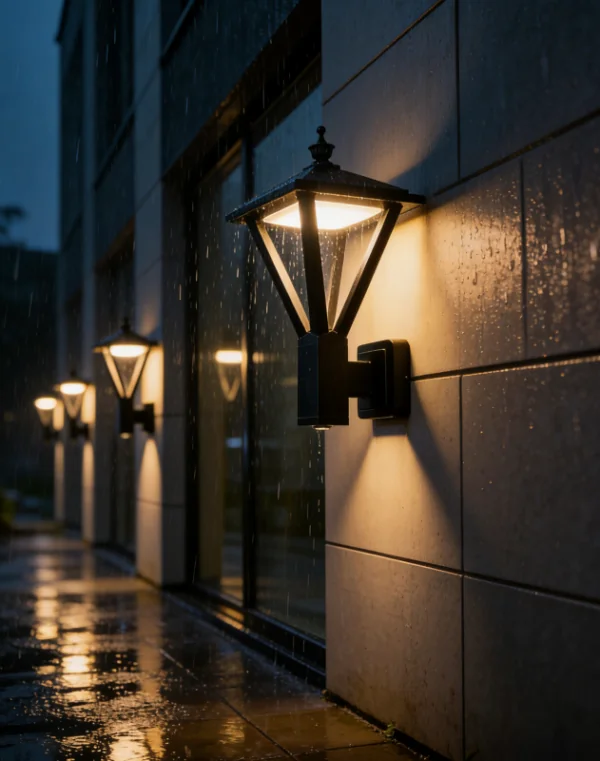
Rain normally reaches outdoor fixtures from above or from changing directions. Sprinkler systems create a different condition. Water can repeatedly strike the same side of a lamp, especially when irrigation heads are positioned close to walkways or lawn boundaries.
This repeated exposure can leave moisture around joints, covers, cable entries, and mounting points. Water may also collect around the lower part of a fixture if the surrounding soil has poor drainage. Project planning should therefore consider more than the visible lamp body.
The IP rating provides an important reference. For a public park where direct water spray is expected, an IP65 lawn lamp can provide stronger protection against water jets than lower-rated products. However, the rating should still be considered together with installation quality and site drainage.
Installation Position Changes the Level of Exposure
Distance from the sprinkler head is one practical factor. Fixtures placed directly within the regular spray path will experience more frequent water contact than units installed outside the main irrigation range.
Spray angle also matters. Some sprinklers distribute water at a low angle, which can direct moisture toward the lower housing and mounting area. Other systems create wider coverage and may expose several fixtures at the same time.
For bollard lights installed along public paths, designers should review the irrigation drawing before deciding final mounting positions. Moving a fixture a short distance away from a direct spray line can reduce unnecessary exposure without changing the basic lighting arrangement.
Drainage should also be checked around the foundation. Even a suitable outdoor fixture should not be treated as a solution for standing water. Stable bases, suitable cable routing, and reasonable drainage help support a more reliable installation.
Material and Structure Matter in Outdoor Projects
Housing material affects how a fixture responds to regular outdoor use. Die-casting aluminum is commonly used for compact outdoor lighting because it provides a rigid structure while allowing different housing shapes.
Lampshade material is another consideration. PC can be used where impact resistance and practical outdoor performance are required. Buyers should also review how the lampshade connects to the housing and how maintenance parts can be accessed.
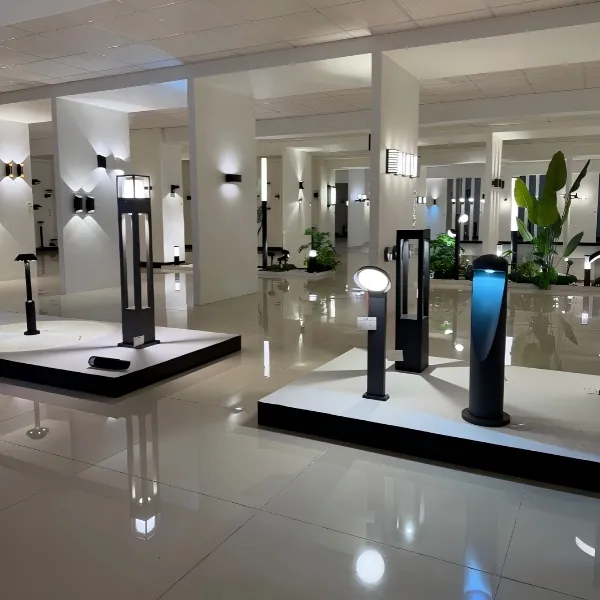
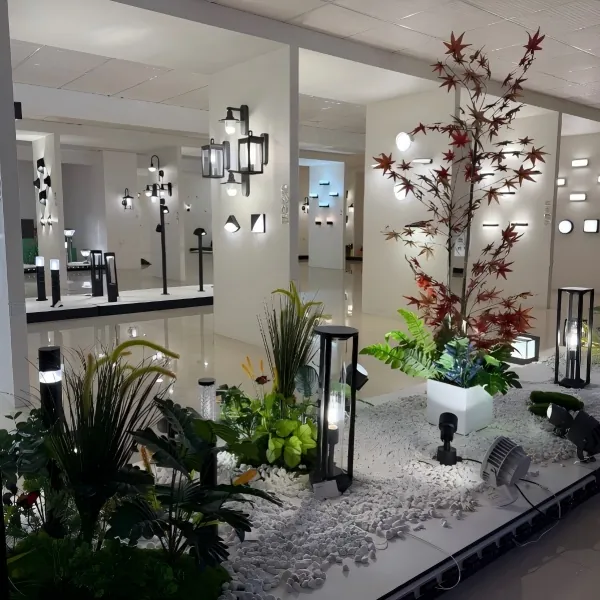
At Keyida, we focus on modern-style small outdoor lighting for B2B projects and distribution channels. Our product development includes private-mold designs, while OEM and ODM options allow buyers to adapt products for different markets and project requirements.
Surface treatment also deserves attention. Careful preparation before painting can improve the finish and support coating durability. For public landscape projects, this is relevant because fixtures remain visible during both daytime and nighttime.
Light Source Choice Affects Maintenance Planning
Public parks often require maintenance teams to manage many lighting points across a wide area. For this reason, lamp replacement and access can influence operating costs after installation.
Some buyers prefer integrated LED structures, while others choose replaceable lamp holders. Replaceable solutions can make light-source servicing more flexible because the complete fixture may not need to be changed when the lamp reaches the end of its service period.
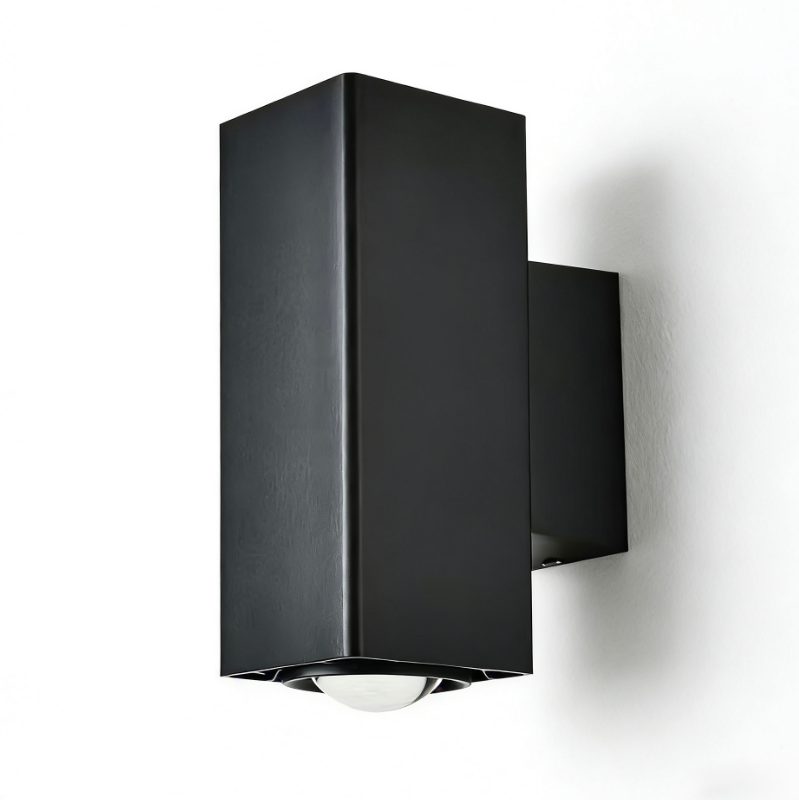
The B0254 provides an example of this type of compact outdoor structure. It uses a die-casting aluminum housing with a PC lampshade and a 1×E27 light source. The fixture measures Ø130 × H300 mm, making it suitable for applications where a relatively compact form is required.
However, B0254 is rated IP54, not IP65. It should therefore not be presented as the IP65 solution for areas exposed to frequent direct sprinkler jets. Its specifications are useful for understanding product structure, but project buyers should select the required IP level according to actual water exposure.
Project Buyers Should Match the Fixture to the Site
Public park lighting selection usually involves several parties, including landscape designers, contractors, distributors, and project owners. Each group may focus on different details, but site conditions should remain the starting point.
Lighting buyers can review sprinkler locations, expected water direction, path layout, mounting height, drainage, and maintenance methods before confirming a product. This process makes the specification more closely connected with real operating conditions.
At Keyida, we also support CCT, RGB, PIR, radar sensing, color customization, and different light-source configurations across suitable product projects. Technical materials such as 2D drawings, high-resolution images, and instructions can also support B2B product evaluation and project communication.
For OEM and ODM cooperation, these options allow distributors and project customers to plan product configurations around market demand rather than relying on one fixed structure.
A Practical Approach to Park Lighting Selection
Sprinkler exposure should be treated as part of the lighting design process, not as a detail checked after installation. Water direction, mounting position, drainage, housing structure, and protection rating all influence how a fixture fits a public park environment.
Choosing the required protection level first, then reviewing materials, light-source maintenance, and installation conditions, gives B2B buyers a clearer selection process. This approach also helps separate products suited to direct sprinkler exposure from lower-rated fixtures intended for less demanding outdoor positions.