Urban walkways, plazas, transport zones, and mixed-use developments place special demands on outdoor lighting. High pedestrian flow, frequent contact, changing weather, and long operating hours all affect fixture selection. For these projects, bollard lights should be evaluated as part of the wider site plan rather than as simple decorative products.
A suitable choice needs to balance visibility, durability, maintenance, scale, and installation conditions. Daytime appearance also matters because the fixture remains part of the streetscape when switched off.
- Lighting Performance Should Match Pedestrian Use
Urban lighting should support clear movement without creating uncomfortable glare. Designers need to review pathway width, fixture spacing, mounting height, and the direction of emitted light before confirming a product.
For busy sites, light distribution is often more important than raw wattage. A lower-output fixture with controlled distribution may work better than a brighter unit that creates strong contrast or unnecessary light spill.
We also suggest reviewing nearby surfaces. Dark paving absorbs more light, while pale stone or concrete reflects it. These differences can influence fixture spacing and quantity across the project.
- Housing Materials Affect Long-Term Stability
High-traffic areas expose fixtures to rain, dust, accidental contact, and regular cleaning. Housing construction therefore deserves close attention. Metal bodies are commonly used for structural stability and compact outdoor designs.
At Keyida, we focus on modern small outdoor lighting, and die-casting aluminum is used in many products because it supports both structural stability and clean surface design. PC or acrylic lampshades can also provide practical protection for the light source.
Surface treatment matters as well. Careful grinding before painting helps improve finish consistency and gives the coating a better base. This is useful for projects where appearance needs to remain neat after extended outdoor use.
- Ingress Protection Must Fit the Site
Water resistance is a basic requirement for urban fixtures, but project conditions are not always the same. Open plazas, landscaped walkways, covered entrances, and coastal areas may expose products to different levels of moisture.
An IP rating gives useful guidance, but it should be considered together with installation details. Drainage, cable entry, foundation work, and local weather can all affect real-world performance.
For example, product B0615 is designed as an IP65 outdoor light. This rating can suit exposed applications when installation and site conditions are properly considered.
- Maintenance Access Can Reduce Service Work
High-traffic projects need lighting that can be serviced without creating unnecessary disruption. Maintenance teams may need to replace drivers, light sources, or internal components during the product lifecycle.
This is why replaceable LED chips and drivers can be useful in commercial projects. A serviceable design may reduce full-fixture replacement when an internal part needs service.
Some projects also prefer flexibility between integrated LED and lamp-holder solutions such as E27. This allows distributors, contractors, or project teams to match different market habits while keeping a similar exterior design.
- Fixture Size Should Suit the Surrounding Space
Scale has a strong visual effect in pedestrian environments. Fixtures that are too large may dominate narrow paths, while very small units may look weak beside wide plazas or large landscape elements.
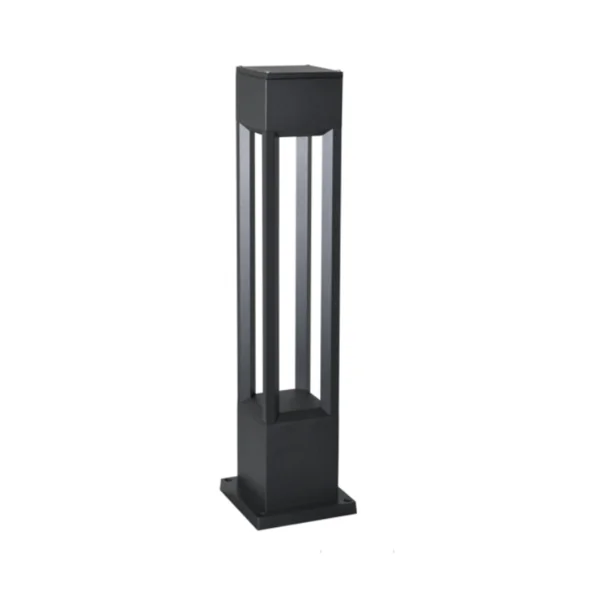
B0615 has a size of W120 × H600 mm. Its compact proportion can suit pathways, garden edges, residential developments, and selected commercial outdoor zones where a lower visual profile is preferred.
When specifying bollard lights, we recommend checking drawings, pathway dimensions, nearby planting, and street furniture before ordering. A fixture should support the overall environment instead of competing with it.
- Electrical Specifications Need Project-Level Review
Electrical compatibility should be checked early because voltage conditions vary across markets. This is especially important for distributors and project buyers serving different regions.
B0615 uses a CREE COB 10W LED chip with a KEDA Driver and supports 85–265V AC at 50/60Hz. These specifications help project teams review electrical requirements and compatibility.
Our company also supports OEM and ODM development. Depending on project needs, customers may discuss functions such as CCT adjustment, RGB lighting, radar sensing, PIR sensing, or customized housing colors. Such options should be confirmed during the design stage.
- Supplier Support Matters Beyond the Product
Urban projects often require more than the physical fixture. Buyers may need technical drawings, high-resolution images, installation instructions, certification documents, and packaging information for internal review.
We provide 2D drawings, product images, manuals, and related support materials for business customers. Our regular product MOQ is 200 pieces per model, while customized colors start from 800 pieces per model.
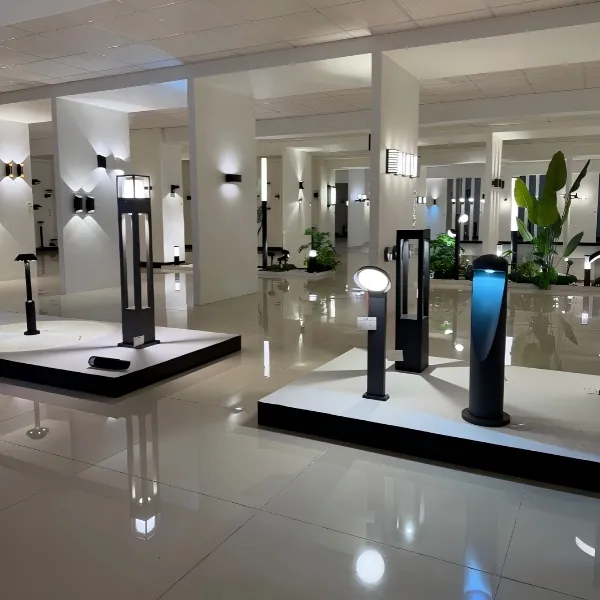
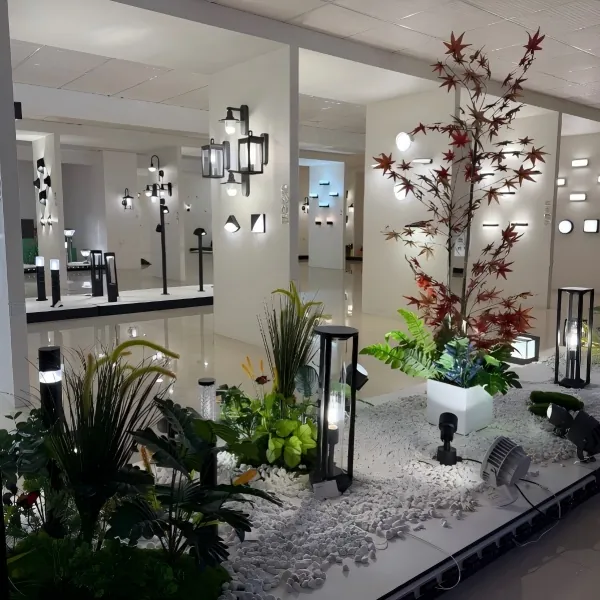
Keyida also operates a 7,000 m² production workshop and a 1,100 m² showroom. With experience serving Europe, the United States, and the Middle East, we understand that delivery planning, documentation, and product consistency are important parts of B2B cooperation.
Choosing for Long-Term Urban Use
Selecting outdoor bollard lights for high-traffic urban areas requires attention to lighting behavior, housing structure, water resistance, maintenance, scale, electrical compatibility, and supplier support. These factors work together, and ignoring one can create extra work later in the project.
B0615 features an IP65 rating, a die-cast aluminum housing, a PC lampshade, a 10W CREE COB LED, a KEDA driver, and a three-year warranty. For project teams, the more useful approach is to match these specifications with the actual site, maintenance plan, and visual requirements before making a final selection.