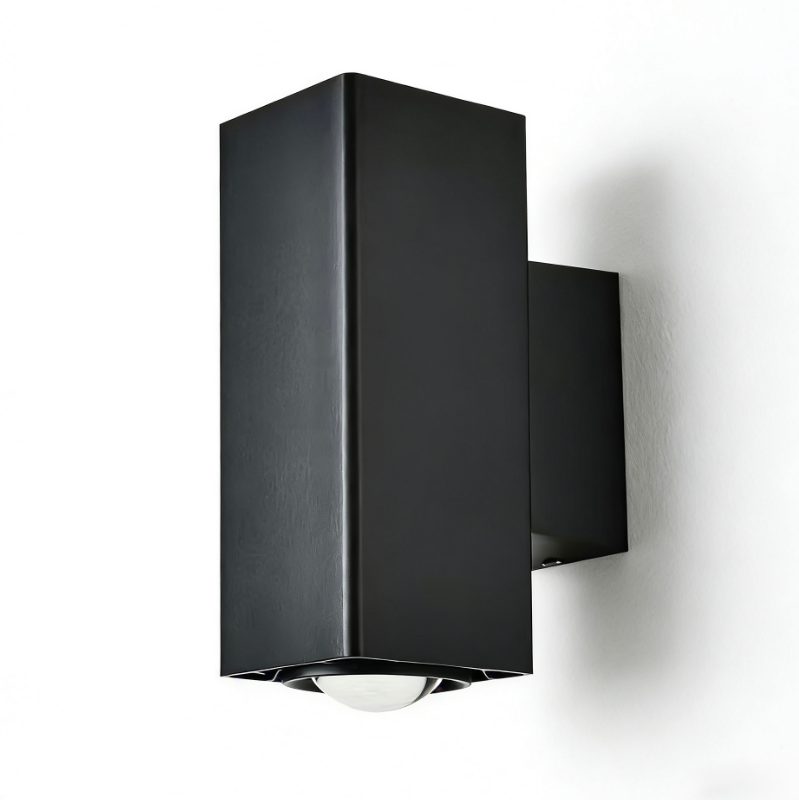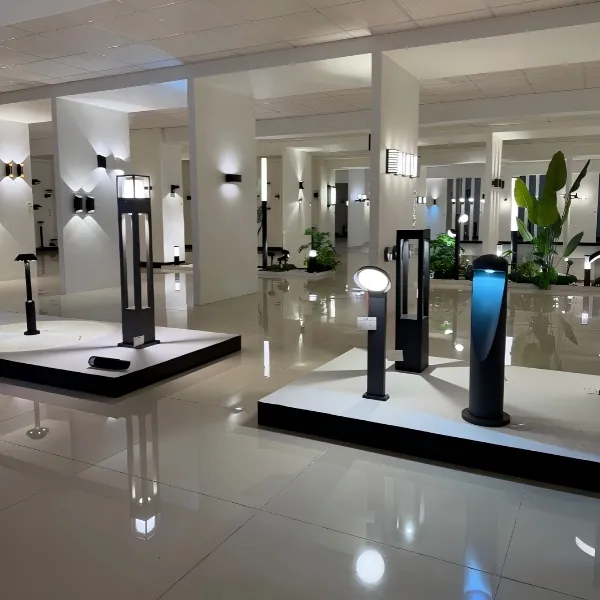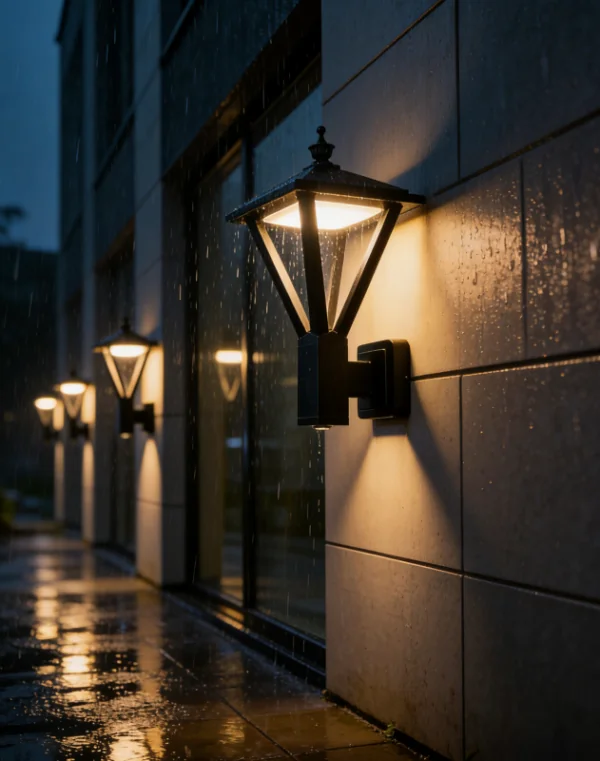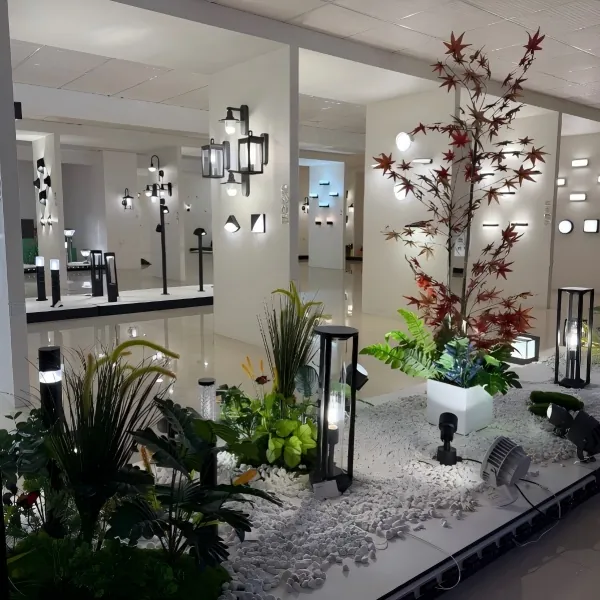
Outdoor lighting in exterior spaces has to handle more than basic illumination. Exposure to rain, humidity, dust, salt, and temperature changes can influence how a fixture ages. This is why buyers should not choose exterior pier mount lights only by appearance.
The surrounding environment, maintenance plan, housing material, and expected service conditions all matter. These factors help determine whether a standard fixture is enough or whether a marine-grade upgrade is justified.
What Changes in a Marine Environment?
Coastal and marine environments place more stress on outdoor fixtures. Salt carried in the air can settle on metal surfaces. Over time, this can increase the risk of corrosion, coating damage, and surface discoloration.
Standard outdoor lighting can still perform well in many residential and commercial projects. The key question is not whether marine-grade construction is always better. Buyers need to consider how close the project is to the sea, how much salt exposure the site receives, and how often the fixtures can be cleaned.
For inland projects, sheltered walkways, garden areas, and locations with moderate weather exposure, standard bollard lights may provide a practical balance between appearance, structure, and project cost. Stronger corrosion protection becomes more relevant in harsher coastal conditions.
The Housing and Surface Finish Matter
Outdoor lighting performance depends greatly on the fixture body and surface treatment. Aluminum is commonly used because it combines manageable weight with structural stability. However, surface preparation still affects how well the finish holds up after long outdoor use.
Careful grinding before painting can help create a smoother finish and improve coating adhesion. This matters in projects where fixtures face regular rain, sun, and changing temperatures. Poor surface treatment may cause cosmetic changes earlier, even when the main housing remains structurally sound.
At Keyida, we focus on modern small outdoor lighting and use production processes that include detailed surface preparation before painting. Our products are designed for B2B customers such as lighting stores, building-material retailers, and project buyers who need both visual consistency and practical outdoor performance.
When the Upgrade Becomes More Valuable
Marine-grade construction is worth considering when the project is very close to the coast, exposed directly to sea air, or difficult to access for frequent maintenance. Waterfront developments, coastal villas, marinas, and seaside commercial spaces are typical examples where stronger corrosion resistance may reduce maintenance pressure.
The upgrade can also make sense when appearance needs to remain consistent for a longer period. Surface corrosion or coating deterioration may not stop a light from working immediately, but it can affect the visual result of a completed project. This is important for architects, lighting retailers, and contractors managing visible outdoor areas.
By contrast, exterior pier mount lights used far from the coast may not need the same level of corrosion protection. In these cases, buyers can focus more on suitable dimensions, light-source flexibility, installation conditions, and the required IP rating instead of paying for features that the environment does not demand.
Product Structure Should Match Maintenance Needs
Light-source structure is another practical consideration. Integrated LED systems can provide a clean appearance, while replaceable lamp-holder designs may simplify future maintenance for some projects. The right choice depends on project access, replacement preferences, and market habits.
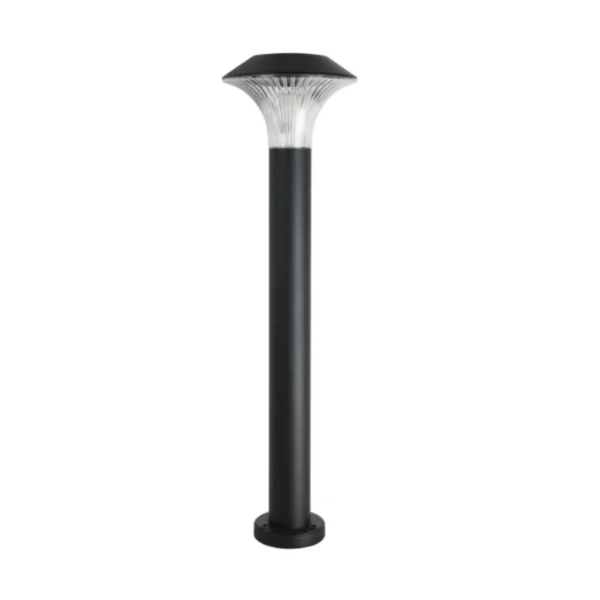
Our B0663 outdoor light uses a die-casting aluminum housing with a PC lampshade. It is rated IP54 and uses one E27 light source. The fixture measures Ø200 × H700 mm. B0663 can be used as an example of a replaceable lamp-holder structure rather than a fixed integrated LED arrangement.
This type of configuration may be useful for retailers and project buyers who value easier lamp replacement and maintenance flexibility. Its use here refers only to the replaceable light-source design and does not indicate that the product has been tested or verified for corrosion resistance in marine environments.In product planning, we often compare this requirement with integrated LED options so customers can choose according to their own channel and project needs.
Standard Fixtures Can Still Be the Right Choice
Marine-grade does not need to become the default specification for every project. Upgrading only makes sense when environmental exposure creates a clear reason for it. A well-chosen standard fixture can still suit many gardens, walkways, and commercial exterior spaces.
For example, bollard lights installed in inland projects may mainly need suitable waterproofing, durable housing, stable electrical components, and a finish that fits the surrounding architecture. These factors may matter more than advanced salt-corrosion protection in normal weather conditions.
This approach also helps B2B buyers manage product ranges more efficiently. Stocking both standard and higher-protection options allows lighting stores and building-material retailers to serve different projects without pushing every customer toward the same specification.
A practical selection starts with the site. Buyers should check distance from the coast, direct salt exposure, humidity, rainfall, cleaning frequency, and how easy the fixtures are to access after installation. These conditions provide a clearer basis for choosing between standard and marine-grade construction.
Choosing the Right Protection Level
Product design also matters. Modern outdoor fixtures often need to balance appearance with maintenance, light-source flexibility, and durability. Keyida supports OEM and ODM development, private-mold designs, and multiple outdoor lighting configurations for B2B customers. This allows projects and retail channels to adjust products according to different market requirements.
For most buyers, the better choice is not the higher specification by default. It is the specification that matches the real environment. Marine-grade construction becomes worthwhile when salt, moisture, and maintenance conditions create a meaningful long-term risk. Standard solutions remain practical when exposure is moderate and maintenance is manageable.