Architects do more than select a light source for an exterior wall. They also consider building style, fixture size, installation conditions, maintenance, and the visual effect after dark. For many modern projects, an outdoor wall lamp needs to combine practical lighting with a form that fits the architecture. LED-based designs offer several advantages over older fixtures that depend on traditional lamps and bulkier internal components.
This change is not only about energy use. The structure of an LED wall lamp outdoor can influence wall appearance, light distribution, maintenance planning, and long-term project coordination. For architects, these details matter from the drawing stage through installation and later property management.
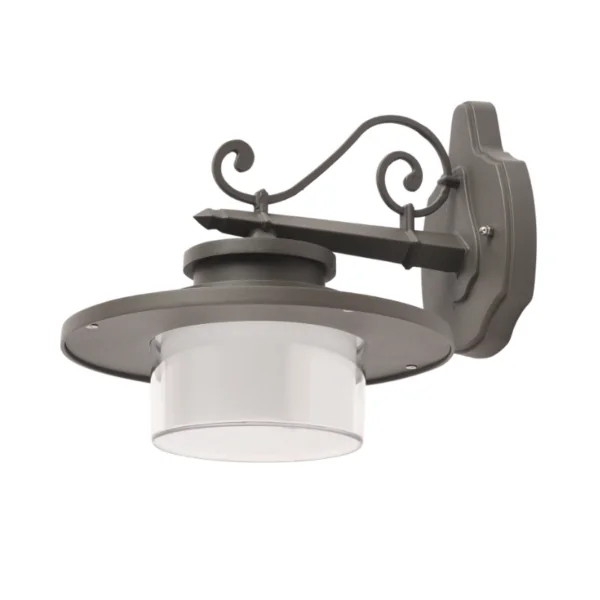
- Cleaner Forms Fit Modern Architecture
Modern buildings often use simple façades, straight lines, concrete, stone, glass, and metal. Lighting fixtures need to work with these materials rather than dominate them.
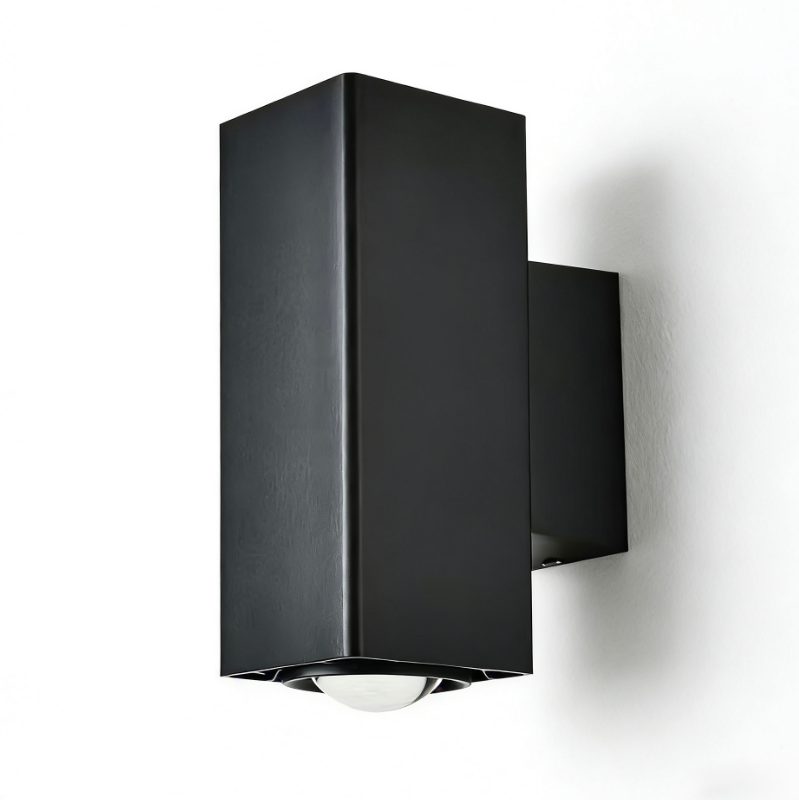
LED components are compact, so designers have more freedom when shaping the housing. Fixtures can use thinner profiles, rounded forms, or restrained geometric structures. This helps architects coordinate lighting with entrances, balconies, corridors, exterior walls, and landscaped areas.
Traditional lamp structures may require more internal space for bulbs and related components. That can limit fixture proportions or make the housing visually heavier.
- Light Can Be Integrated Into the Fixture
Integrated LED design changes how architects think about the relationship between the fixture and the light source.
Instead of designing a housing around a conventional bulb, manufacturers can position LED chips according to the intended lighting effect. This makes it easier to create controlled upward, downward, front-facing, or diffused illumination.
For architectural projects, this flexibility helps when a lighting plan needs both visual consistency and practical brightness. We often consider the relationship between housing shape, diffuser material, LED position, and wall surface during product development.
- Exterior Materials Support Long-Term Use
Outdoor fixtures face rain, dust, humidity, temperature changes, and surface contamination. Material selection therefore becomes part of architectural planning.
Die-cast aluminum is often used for exterior housings because it provides structural strength while allowing detailed shapes. PC and acrylic materials can also be used for lampshades or diffusers, depending on the required appearance.
At Keyida, we mainly develop modern-style small outdoor lighting products. Many of our designs use aluminum housings with PC or acrylic covers. Fine surface preparation before painting also helps create a more even finish and supports outdoor durability.
- Maintenance Can Be Planned More Flexibly
Maintenance matters in hotels, residential developments, commercial buildings, and public projects. Replacing a complete fixture every time a lighting component fails can increase service work.
LED products can be designed with replaceable chips or drivers. Some fixtures can also be configured with a conventional lamp holder such as E27. This gives project teams more flexibility when they consider local maintenance habits.
For example, some markets prefer integrated LED because the fixture can remain compact. Other projects prefer replaceable lamps because facility teams already use standard bulbs. Choosing the structure early helps reduce later changes.
- Weather Protection Becomes Part of Fixture Design
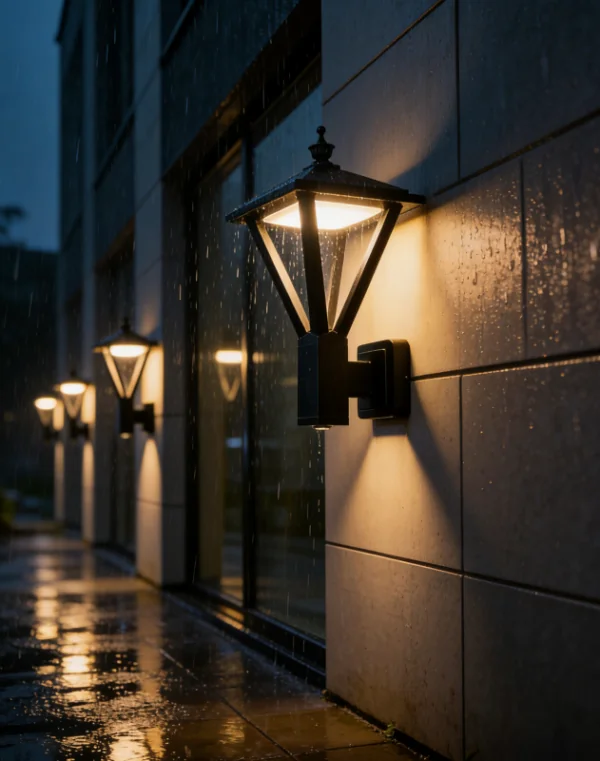
Outdoor lighting needs more than an attractive housing. Water protection must be considered around joints, covers, cable entries, and internal electrical parts.
Our G0945 model provides a practical example. It is an IP65 outdoor fixture with a die-casting aluminum housing and PC lampshade. The product uses an Epistar SMD 12W LED chip with a KEDA driver and supports 85–265V AC at 50/60Hz.
Its dimensions are Ø230 × W295 × H235mm, and the warranty period is three years. Specifications like these help architects compare installation space, electrical requirements, and exterior conditions before adding a fixture to a project schedule.
- Lighting Functions Can Match Different Projects
Modern exterior lighting projects often need more than simple on-and-off control. Different properties may require changes in color temperature, decorative color, or sensing functions.
Depending on the project, an outdoor wall lamp can support CCT adjustment, RGB lighting, radar sensing, or PIR sensing. These functions can help architects coordinate lighting with entrances, walkways, building façades, and other exterior zones.
Not every project needs every function. The useful approach is to select features according to the site, expected user behavior, and maintenance plan rather than adding functions without a clear purpose.
- Customization Supports Design Consistency
Architects often need several fixtures to follow the same visual language across one property. Housing color, light source structure, dimensions, and function may need adjustment during specification.
Black and grey remain common project colors, while customized finishes can be considered for larger orders. OEM and ODM development also allow changes to appearance, function, packaging, or supporting documents when project requirements are clear.
We can provide 2D drawings, high-resolution images, and product instructions to support project communication. These materials can make specification work easier for designers, distributors, and purchasing teams.
What Architects Gain From the Change
The shift toward LED wall lamp outdoor products reflects changes in architecture as much as changes in lighting technology. Compact components, flexible light distribution, weather-resistant structures, replaceable parts, and optional smart functions give designers more choices when planning exterior spaces.
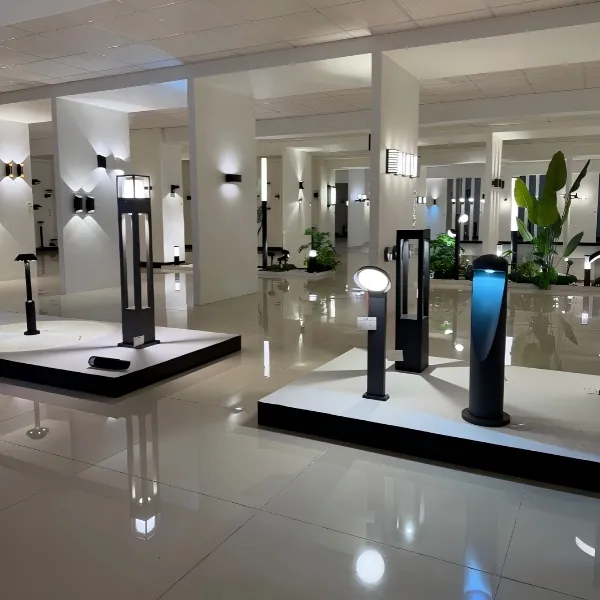
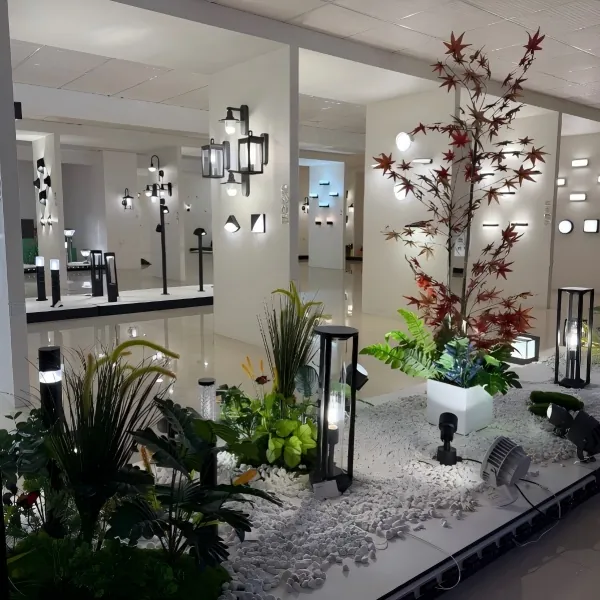
At Keyida, we combine design, production, and sales for modern outdoor lighting projects. Our 7,000-square-meter production workshop and 1,100-square-meter showroom support product development and batch supply. For architects and B2B buyers, the practical goal is still the same: choose lighting that fits the building, works with the project conditions, and remains manageable after installation.