Why can two outdoor fixtures with similar output create very different patterns on a garden path? One may produce a smooth pool of light, while the other shows a bright center surrounded by darker areas. In LED outdoor lighting, the visible result depends on the relationship between the COB chip layout, optic, housing, installation angle, and viewing distance.
COB, or chip-on-board, places multiple LED chips on a shared board. This compact arrangement can support a focused optical design, but a small shift in the chip field or lens may appear across paving, foliage, or walls. A practical alignment process therefore begins with the intended scene and ends with an evening inspection of the assembled fitting.
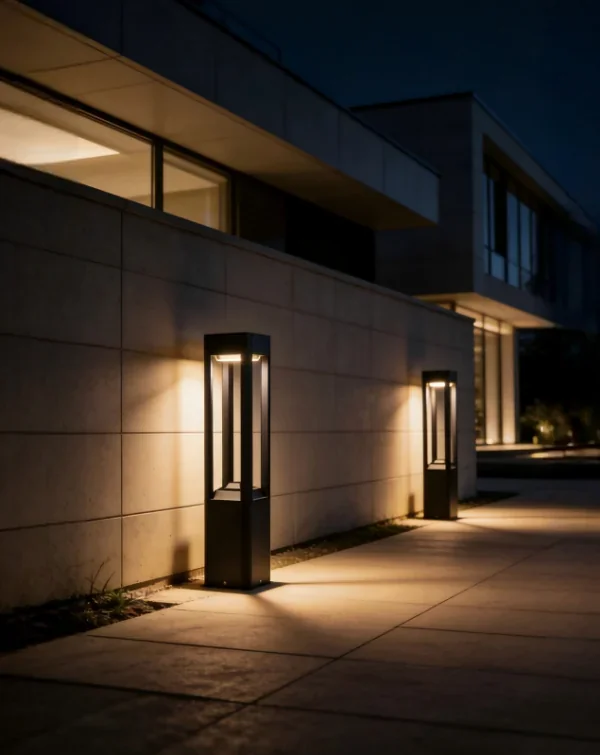
Define the Lighting Task Before Checking the COB Board
Start with the area that needs illumination. A pathway may require a connected ribbon that helps people read direction. A flower bed may need a wider pool to reveal planting texture. A tree accent may call for a tighter beam that keeps attention on the trunk or canopy. Each task has a different tolerance for bright centers and dark edges.
Mark the main viewing positions on the landscape plan. Include the approach from a gate, the perspective of a person walking along the path, and sightlines from nearby windows. A beam that looks balanced from one position may appear concentrated from another. These viewpoints give the design team a practical reference for judging the final pattern.
Surface conditions also influence the result. Pale paving can reveal concentration more easily than dark planting. A light aimed toward a boundary wall may appear stronger than one directed across dense foliage. Note the material, color, and texture of each target surface before selecting an optic or approving a sample.
Map the COB Geometry and Optical Centerline
Create a simple board map showing the chip field, board center, and intended optical axis. The centerline should relate to the lens or reflector rather than only to the outside housing. If the chip field sits off axis, the beam may shift or appear uneven when several fixtures are installed in a row.
Use the same reference points for every sample. Record board orientation, optic orientation, and fixture face position. A small rotation can change how a linear chip arrangement meets a path. Consistent references help a factory compare samples without confusing an assembly change with a board change.
Alignment should be reviewed as an assembled system. Check the seating of the optic, the gap between the board and optic, and the flatness of the mounting surface. Those details should be confirmed during project development rather than inferred from general industry practice.
Applying LED Outdoor Landscape Lighting Principles to Sample Testing
In LED outdoor landscape lighting, repeated fixtures are judged as a group. A single fitting may look acceptable on a workbench, while a row along a path reveals differences in beam center, rotation, or intensity. Compare several samples at the same height, angle, and distance. Look for continuity across the group instead of judging one bright patch alone.
Lawn Lamp is aluminum LED landscape lighting for residential lawns, garden edges, and small park green spaces. Spike Lamp is easy-install LED outdoor landscape lighting for pathways, flower beds, and scenic areas. These application notes help buyers connect chip alignment with the intended landscape role.
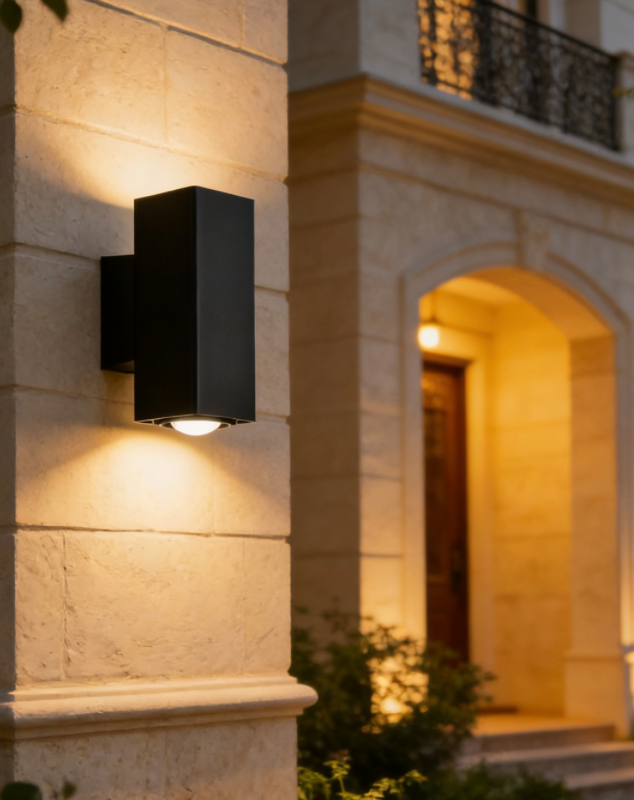
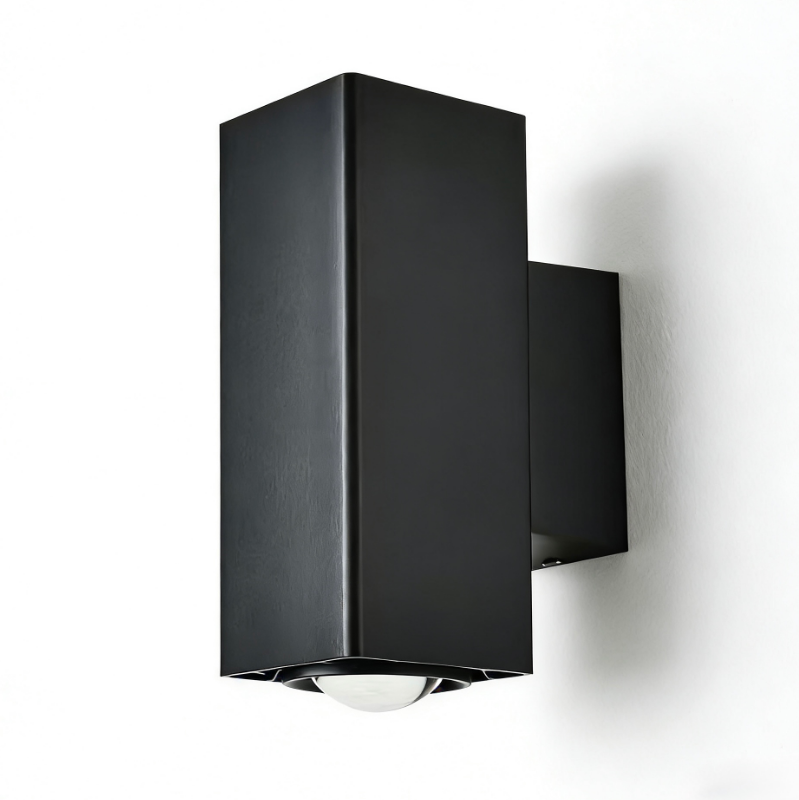
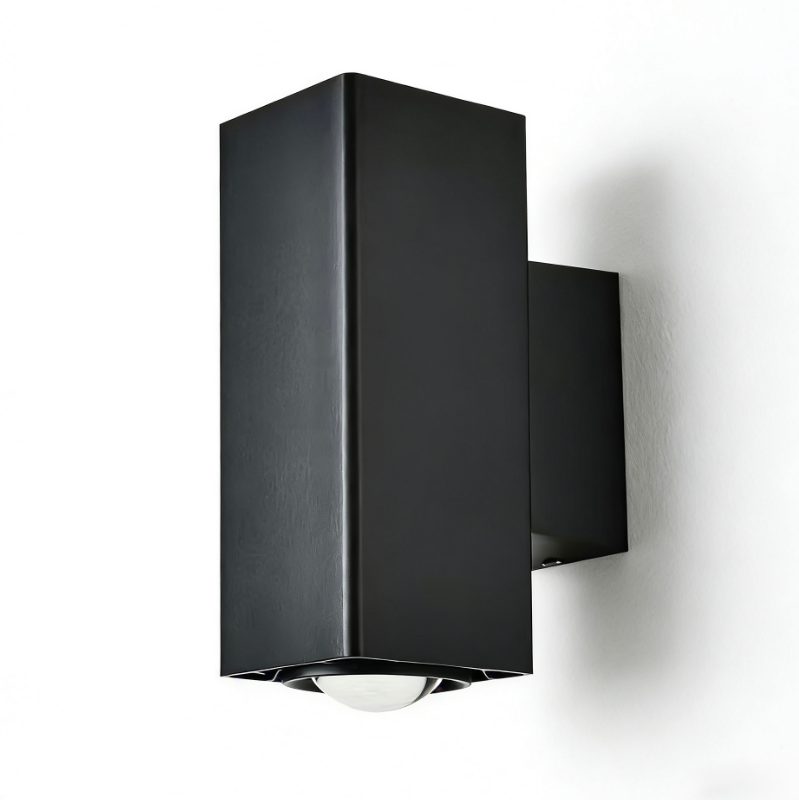
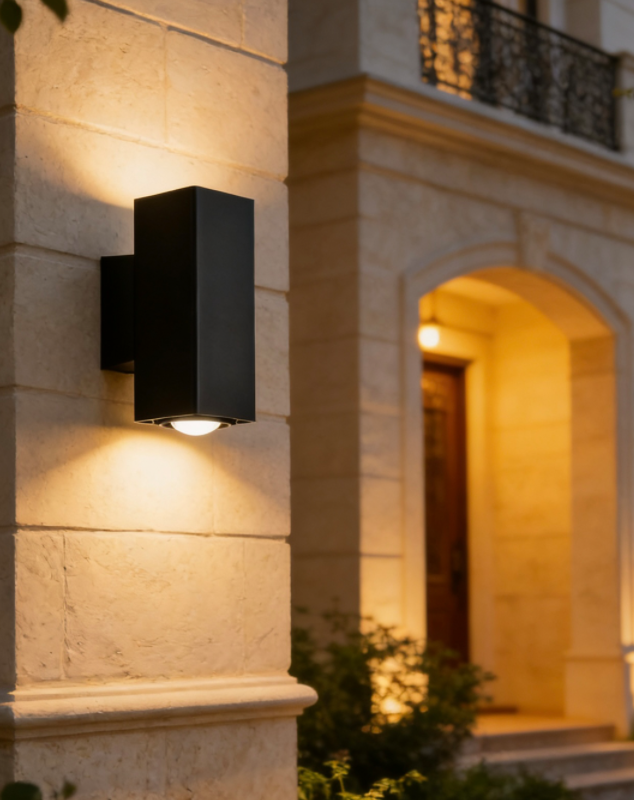
We also list Column Lamp for gates, villas, and landscape columns, as well as Wall Lamp for building exteriors and entrances. A mixed project may use all four categories. The alignment target will vary, but the review sequence remains useful: define the surface, set the optical axis, compare samples, and record the approved appearance.
Check Mechanical Stability and Outdoor Conditions
COB alignment should be considered alongside mechanical and thermal checks. The board needs stable seating so movement during assembly does not change the optical axis. Review the housing, board contact, and optic support as one connected assembly. If a component shifts during handling, the beam pattern may no longer match the approved sample.
Outdoor conditions add another planning factor. We describe the range as aluminum outdoor lighting and present the garden lighting as durable and weather-resistant. It also identifies the Wall Lamp listing as an IP65 waterproof outdoor light for building façades. That IP65 description belongs to the Wall Lamp listing and should not be extended to other categories without confirmation.
Inspect samples after mounting, cable routing, and a short operating period. Look for movement, optical contamination, or a change in the illuminated shape. Review the fitting from normal eye level as well as from the target surface. This procedure gives contractors more useful information than a board image viewed outside the finished housing.
Build a Repeatable B2B Approval Process
A project buyer can use a short alignment checklist. Include board orientation, optic seating, fixture angle, sample distance, target surface, and approval photographs. Apply the same checklist during prototype review and pre-shipment inspection. A shared record helps designers, distributors, and installers discuss one reference instead of relying on memory.
Documentation supports the handoff between departments. Our products come with certificates, 2D drawings, HD images, instruction manuals, and a three-year warranty. These materials can assist quotation review, installation planning, and after-sales communication. They do not replace a project-specific optical test, but they help organize the information.
For OEM or ODM work, identify which elements are fixed and which may change. The chip board, optic, housing finish, and mounting arrangement can each affect the approved appearance. Recording these decisions gives the production team a clearer basis for repeating a batch and provides a controlled path for an agreed design revision.
A useful process for hotspot control is therefore practical and measurable: define the visual task, map COB geometry, align the optical centerline, inspect the assembled fixture, and test several samples in the intended setting. At Keyida, we support B2B partners with modern outdoor lighting categories, OEM or ODM cooperation, and project documentation. We can review the target landscape effect and match the proposal to Lawn, Spike, Column, or Wall applications.