At dusk, a villa entrance can feel welcoming, yet a sensor light may switch on whenever a car passes the gate. A hotel side door may stay dim because the detection area misses the approach. Choosing outdoor wall lights motion sensor therefore involves more than adding a detector. Fixture optics, mounting conditions, electrical supply, and movement patterns all influence the result.
For importers, contractors, and project designers, the right choice significantly affects installation time and service calls. We provide comprehensive A0696 product information as a reliable factual reference for your projects. Our detailed specifications help buyers compare options confidently, while we recommend confirming specific sensor details with our team for optimal project performance.
Start with the Scene, Not the Sensor
A residential doorway usually needs a calm pool of light around the lock, steps, and house number. A hotel entrance may call for a softer welcome for guests with luggage. A service corridor has another rhythm, with staff and carts moving close to the wall. Each scene changes the discussion about trigger zones, light spread, and mounting height.
Map the approach route before reviewing fixture models. Mark gates, stairs, paths, parked vehicles, and reflective surfaces. This helps a team see where movement is expected and where false activation could disturb residents or guests. It also identifies locations that need continuous illumination rather than sensor-led operation.
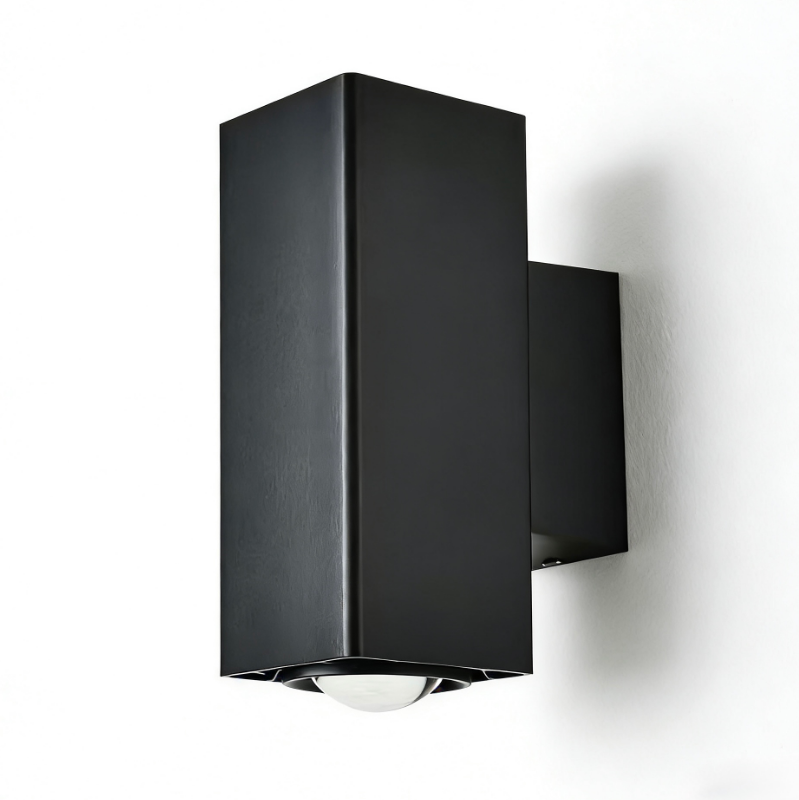
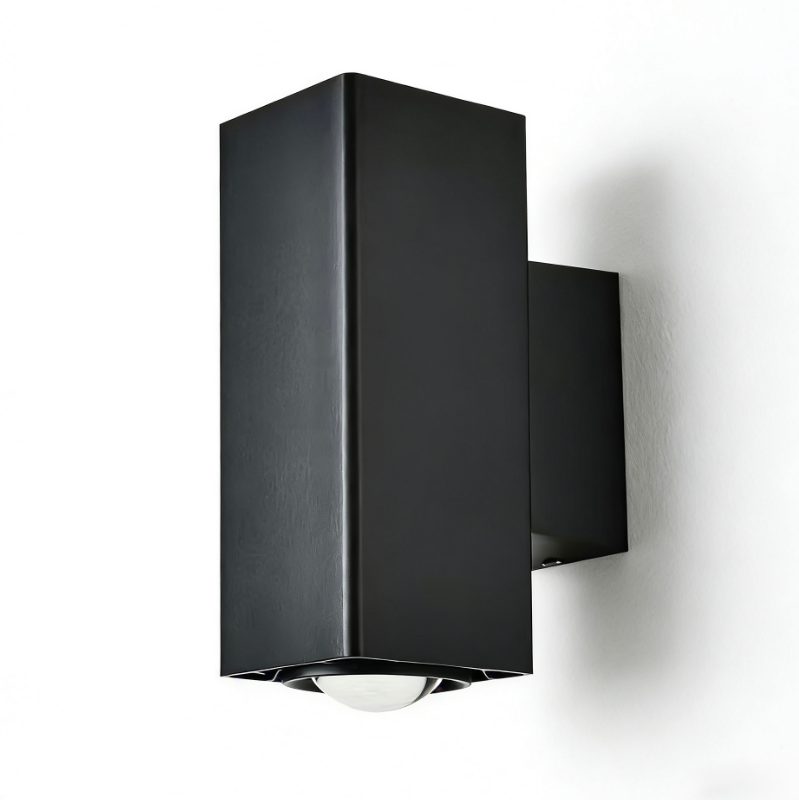
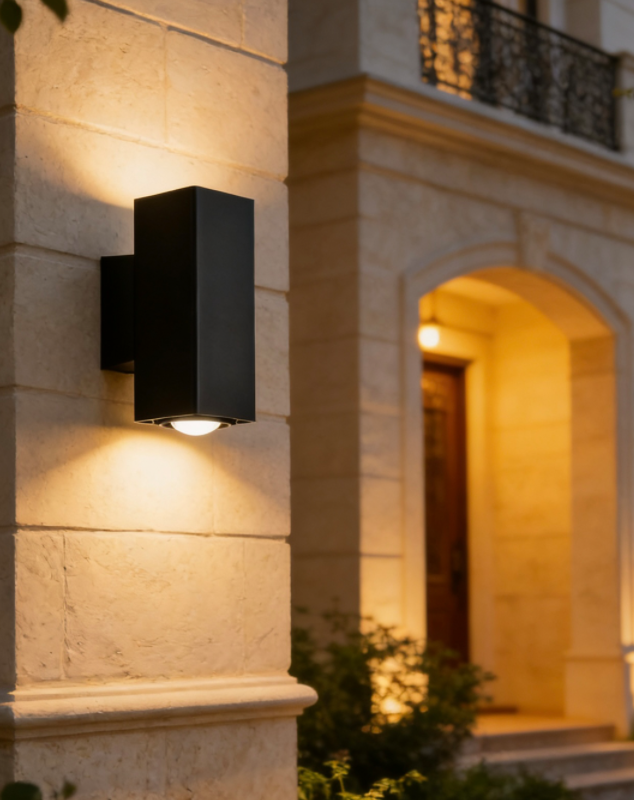
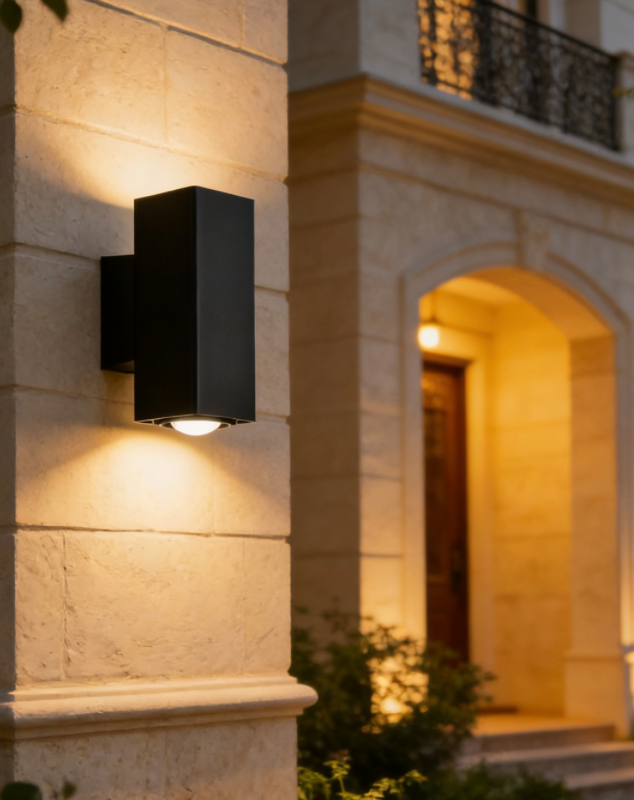
For a commercial building, coordinate the wall fixture with doors, cameras, signs, and emergency equipment. A compact wall light can support wayfinding without competing with architectural elements. The A0696 page presents it for outdoor wall lights for home, hotel exterior lighting, and facade applications, while the final layout still requires site review.
Match the Sensing Task to the Lighting Task
A motion sensor observes activity within its field, while the lamp illuminates according to its optical design. Those areas may overlap, but they are not automatically identical. A narrow side passage may need detection along the walking line. A broad forecourt may suit several fixtures, each covering a smaller zone within one control plan.
When assessing a model, ask us for sensor type, detection distance, detection angle, hold time, and ambient-light behavior. A0696 features reliable motion-sensor activation, while specific sensor values vary by configuration. We suggest confirming these details to prevent installation disputes and support thorough sample testing for optimal performance.
Consider how the light behaves after activation. A guest approaching a door may need a gentle transition, while a loading area may call for a clearer visual cue. Review sensitivity settings, timer options, and any wiring diagram during technical approval.
Read the Fixture Specification Sheet
A0696 is an outdoor light with an IP65 rating. Its housing uses die-casting aluminum with tempered glass, and the LED chip is identified as CREE COB 2x5W. The driver is a KEDA Driver. These details give buyers a starting point for material review, light-source consistency, and driver documentation during tender evaluation.
Tempered glass cover is an excellent choice when a project sits near public circulation or needs a firm protective surface. Our aluminum housing forms a defined enclosure for the wall-mounted design, ensuring durability and style. Our A0696 features a soft glow, which perfectly suits entrances where visual comfort matters. Final glare assessment depends on mounting position, surrounding finishes, and observer viewpoint
Electrical compatibility belongs on the approval checklist. Input is 85–265V AC, 50/60Hz. Size is Ø65 × W100 × H160 mm, useful when checking back boxes, trim clearances, and facade spacing. A three-year warranty is published; buyers can align that term with their service policy and local requirements.
Plan for Building Facade Lighting in Context
In building facade lighting, a wall fixture is one layer of a larger composition. Place sensor-controlled units near doors, gates, or staff access points, then review how their soft output meets brighter architectural or landscape layers. The aim is a readable route with restrained contrast, rather than isolated bright spots that pull attention from the building.
For a hotel, test views from the driveway, lobby approach, and neighboring rooms. For a villa, check sightlines from the street and indoor windows. Dark paint, polished stone, and glass can reflect light toward occupants, so sample positioning is valuable.
Document the installation surface and cable path before ordering. Note masonry, cladding, junction-box depth, and access for future driver service. If several elevations use one family, keep visual scale consistent with the published 65 mm diameter, 100 mm width, and 160 mm height. Drawing review can expose conflicts while changes are manageable.
Turn Selection into a Procurement Brief
B2B buyers can convert site findings into a short brief: application zone, movement pattern, preferred visual effect, supply voltage, finish, mounting constraints, sensor data required, sample quantity, and document list. This lets factories quote comparable configurations and highlights items that need confirmation.
Keyida is an outdoor lighting manufacturer with about 25 years of experience and a 7000㎡ production base. We support custom outdoor lighting programs, including OEM and ODM cooperation, private mould development, and wholesale or project supply. For A0696 inquiries, request the latest drawing, sensor details, finish options, packaging information, and test documents for the version under review.
A considered choice balances movement, architectural intent, and service planning. Keep published A0696 data in the approval record, then validate unlisted sensor behavior through samples and written confirmation. With that process, Keyida can help teams assemble outdoor wall lights motion sensor packages for entrances, paths, and facade schedules.