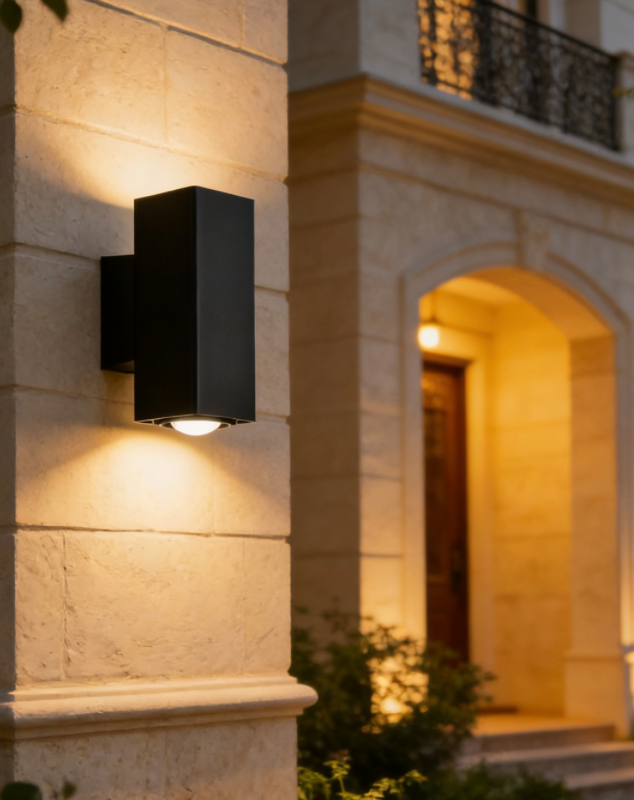
Motion activation can make an entrance feel responsive, but a sensor light still depends on careful placement and a sound electrical installation. When a villa path, hotel side door, or service yard needs light only when people approach, outdoor wall lights motion sensor models can be evaluated as part of a wider lighting plan.
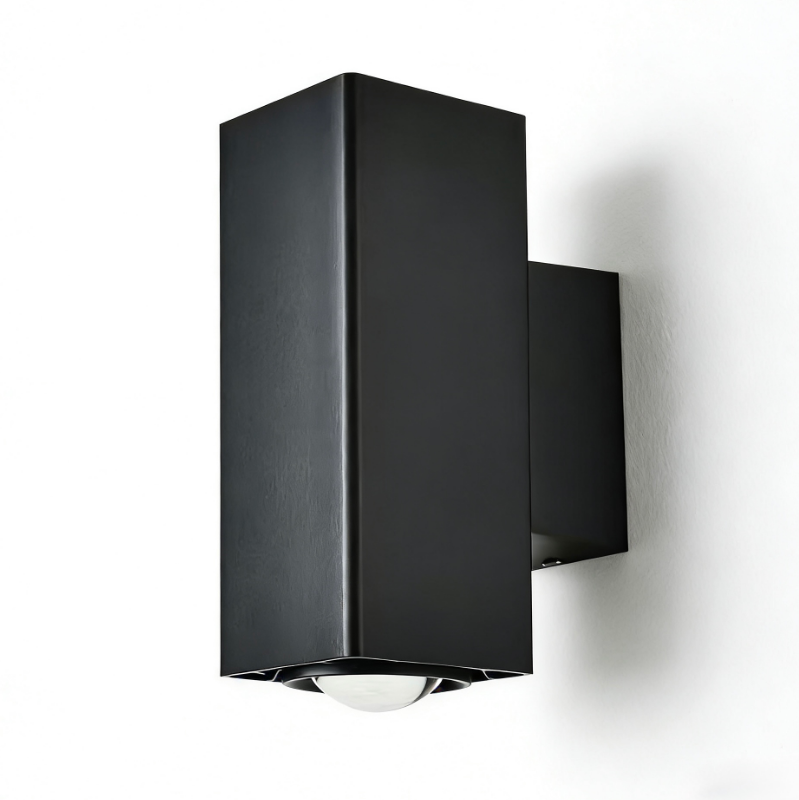
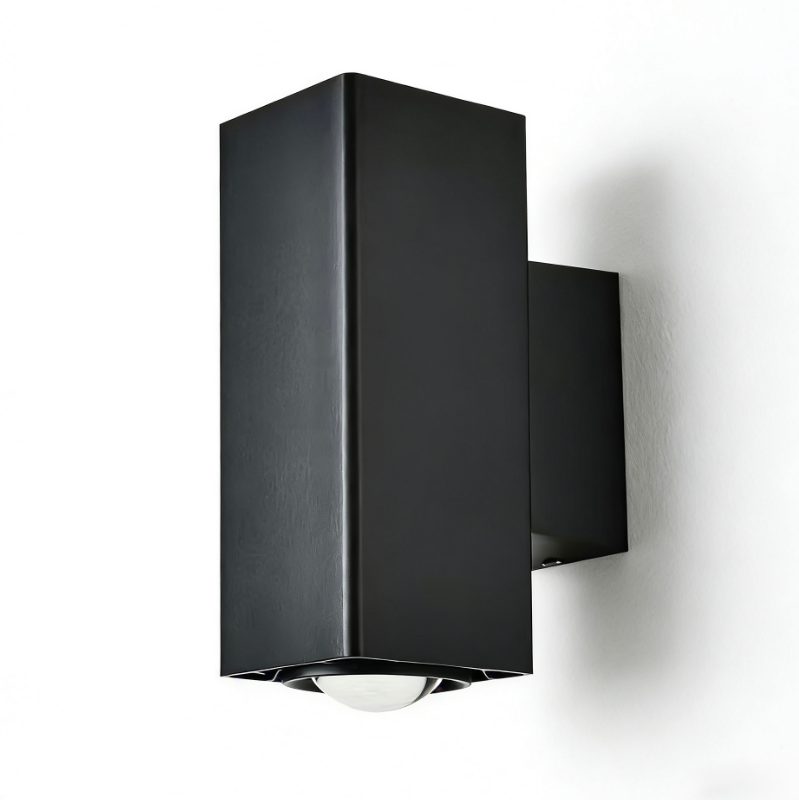
A0696 is a premium customizable wall sconce featuring a motion sensor, soft glow, and tempered glass cover. Our comprehensive specification includes a die-casting aluminum housing, CREE COB 2x5W LED chip, KEDA driver, 85–265V AC at 50/60Hz input, IP65 outdoor-light rating, size Ø65 × W100 × H160 mm, and a three-year warranty. These detailed specifications guide your selection, and we always recommend following local electrical rules for every installation.
Define the Detection Scene
Walk the site at the time the light will operate. Mark the approach route, doorway, steps, driveway, and areas where people pause. A sensor aimed across a path may respond differently from one facing an entrance. Note windows, reflective surfaces, trees, and moving equipment that could affect the chosen location.
Separate guest circulation from service movement. A hotel may want a gentle welcome at a side entrance, while staff need a different schedule at a loading area. Sketch the detection zone and the illuminated zone together. The sensor’s role is to trigger the fitting; it does not replace decisions about where light should fall.
Confirm the Fixture and Mounting Point
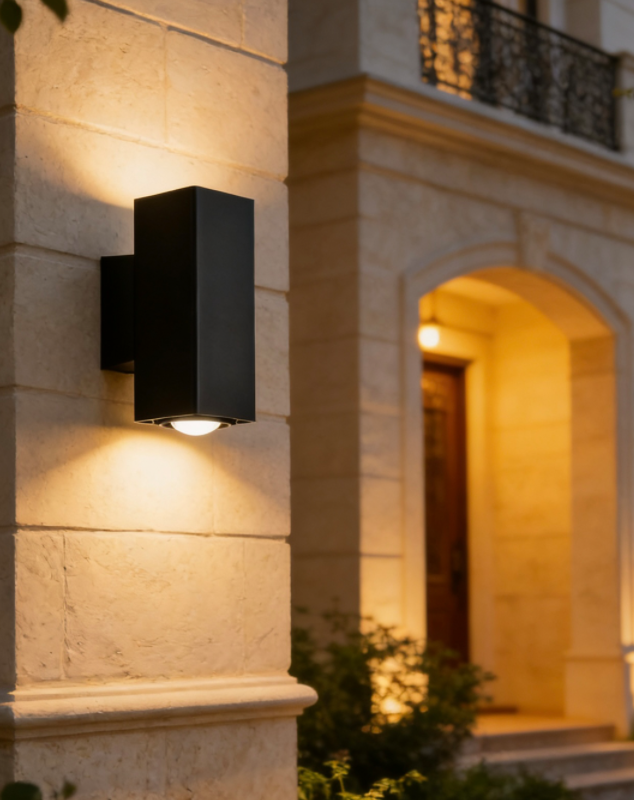
A0696 is presented for outdoor wall lights for home, hotel exterior lighting, and building façades. Use those applications as the starting scope. Check that the wall can support a fitting measuring Ø65 × W100 × H160 mm, and compare the cable route with the product drawing. Avoid drilling or fabricating an adapter before the mounting detail is reviewed.
A0696 features a premium die-casting aluminum housing with tempered glass for durable protection. We recommend inspecting the proposed position for impact risks, overhanging branches, irrigation spray, and access for cleaning. While our product features an IP65 rating, we advise that a damaged or incorrectly reassembled unit may not retain the same protection. We suggest keeping seals, covers, and cable entries within the approved installation method.
Plan the Electrical Connection
The A0696 specification lists a KEDA driver and input voltage of 85–265V AC at 50/60Hz. A qualified electrician should compare the project supply with these values and verify circuit protection under local requirements.
Switch off power at the appropriate disconnect before wiring. Keep connections protected and accessible for inspection. Route cables away from sharp edges, standing water, and routine maintenance tools. Label the circuit and fixture code in the distribution record. This makes later troubleshooting easier when several wall lights share a control schedule.
Do not connect the sensor to an external controller by assumption. Confirm the complete connection with the supplier and electrician before ordering a batch for a multi-building project.
Position the Sensor for Useful Coverage
Mount the fitting at the height shown in the approved drawing or site detail. Aim the sensor toward the expected direction of movement, then check the boundary from the sidewalk, driveway, and interior threshold. A slight change in angle can shift activation toward a passing vehicle or away from a person approaching the door.
Use a temporary mark to record the selected orientation. Test with normal clothing, carts, and service movement when relevant. If foliage moves in the wind or a reflective surface causes unwanted triggers, revise the physical environment before changing the lighting schedule.
The soft glow described for A0696 can support wayfinding without turning every zone into a continuously lit area. Observe the result from nearby rooms and neighboring paths. If the source appears harsh, review mounting height, shielding, and wall reflectance while keeping the sensor’s coverage useful.
Commission Motion and Light Behavior
Restore power after the electrician confirms that the housing, tempered glass cover, and connections are secure. Walk through the detection zone several times. Record activation, shutoff timing, manual switching, and behavior after a power interruption according to the equipment instructions.
Test the fitting in daylight and darkness. A sensor can trigger during daytime unless the project includes a separate control arrangement. Confirm how the installed system handles this condition. Note the result in the commissioning sheet so property staff understand what is expected during handover.
For a residential development, repeat the test at a representative entrance before installing every unit. For a hotel, include housekeeping and security staff in the review. Their routes can reveal activation gaps that are not visible during a short contractor demonstration.
Create a B2B Specification Package
For OEM or ODM supply, record the A0696 code, finish, mounting detail, sensor requirement, packaging marks, and inspection points. The supplier describes customizable production, a 7,000 m² base, and project support.
A0696 features the CREE COB 2x5W chip, KEDA driver, tempered glass, IP65 rating, and a three-year warranty for reliable performance. We recommend clarifying service arrangements and regional compliance for the destination market. We suggest keeping the product specification separate from site assumptions about detection performance.
A reliable motion-light installation joins three records: the physical fixture, the electrical connection, and the tested detection scene. At Keyida, we work with distributors, importers, contractors, designers, and owners on OEM, ODM, wholesale, and project lighting programs, helping teams document A0696 installations for future service.