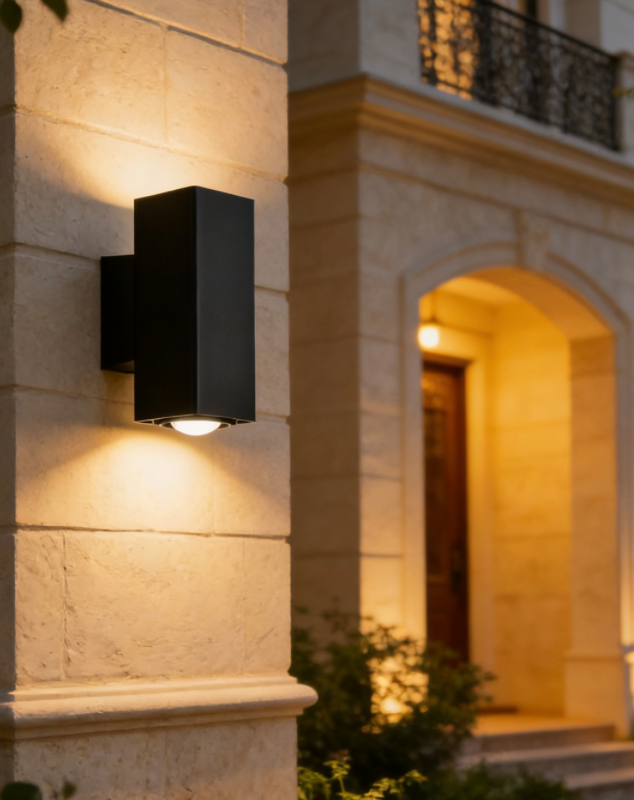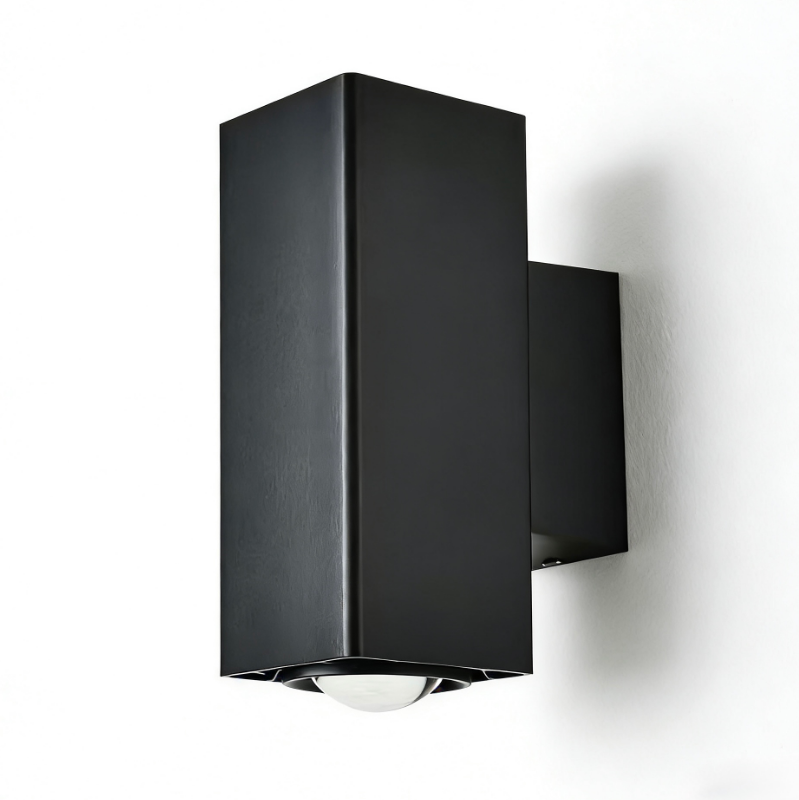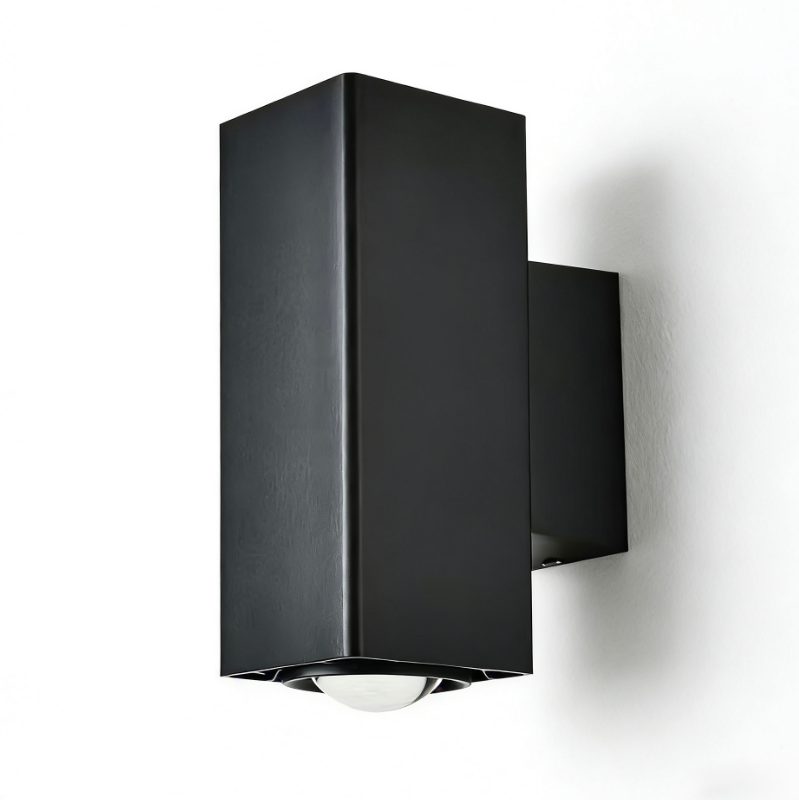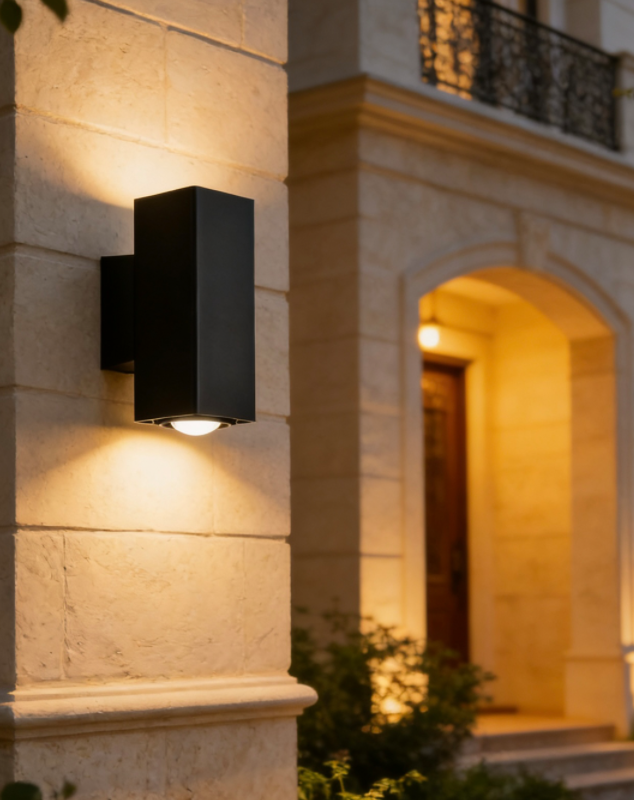
A wall light that flickers, stays dark, or shows moisture can disrupt an entrance, hotel façade, or pathway. Before replacing the fitting, identify which part has changed: the power supply, lamp module, driver, housing, or installation point. This guide explains how to approach an LED outdoor wall sconce using the published information for Keyida’s G0936 model.
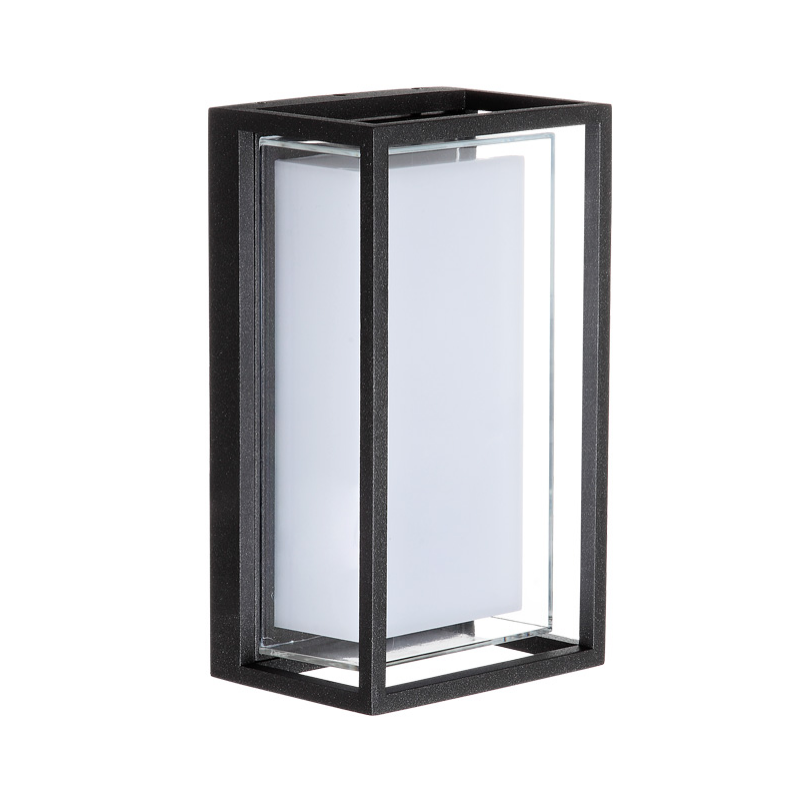
G0936 is a premium outdoor light featuring an IP65 rating. Our comprehensive specification includes a die-casting aluminum housing with a PC lampshade, an Epistar SMD 12W LED chip, a KEDA driver, input voltage of 85–265V AC at 50/60Hz, dimensions of L240 × W139 × H98 mm, and a three-year warranty. These detailed specifications serve as our product reference, and we always recommend following local electrical safety procedures for every installation.
Start with a Safe Fault Check
Switch off the circuit at the disconnect before opening the fixture. A qualified electrician should inspect wiring, terminals, and protective devices. Look for loose conductors, discoloration, water traces, or impact damage. Do not work on a live fitting, and stop when the fault is beyond the approved service scope.
Ask when the problem appears. A light that fails after rain points to a different investigation than one that stops when another load starts. Record whether the issue affects one G0936 unit or a group on the same circuit. This history helps separate a fixture fault from a supply or control issue.
Check the LED Module and Driver
The G0936 fixture uses an Epistar SMD 12W LED chip and a KEDA driver. If the housing is intact but the lamp is dark, the electrician can test the supply and driver according to the manufacturer’s service method. If the housing is intact but the lamp is dark, the electrician can test the supply and driver according to the manufacturer’s service method. Do not substitute a component only because its wattage looks similar. Confirm electrical and mechanical compatibility in writing.
Our replacement parts are designed to support project maintenance, while specific user-replaceable procedures for G0936 vary by installation. We recommend treating chip or driver replacement as a qualified service task. We advise keeping the original model code, part reference, and test result with the maintenance record so later orders match the installed configuration.
Flicker may come from an unstable connection, a driver issue, or a control device. Observe whether the flicker is continuous, temperature-related, or linked to switching. Capture a short description for the supplier and electrician. Avoid claiming a cause before measurements support it.
Inspect Aluminum Outdoor Wall Lights Components
G0936 represents aluminum outdoor wall lights with a die-casting housing and PC lampshade. Examine the shade for cracks, clouding, or movement at the joint. Check the housing for dents that could affect the seal. Clean the exterior with a method approved for the finish; abrasive tools can change the surface and make later inspection harder.
G0936 outdoor light features an IP65 rating for reliable protection. That rating is part of the published specification, but it does not confirm that a damaged or incorrectly reassembled fitting retains the same protection. Replace compromised seals or covers with approved parts, and follow the installation drawing before returning power.
If moisture is visible inside, isolate the unit and document where water appears. Check cable entries, mounting surfaces, and the lampshade interface. Allow the responsible technician to assess drying, seal replacement, or fixture exchange. Do not drill extra drainage holes or add unverified sealants.
Verify Voltage and Mounting Conditions
The G0936 fixture accepts an input range of 85–265V AC at 50/60Hz.Measure the circuit with suitable equipment and compare the result with the product table. A reading outside the expected range calls for electrical investigation rather than a lamp adjustment. Local codes and the project’s protection design take priority.
The listed size is L240 × W139 × H98 mm. Check that the mounting surface is flat, the backplate sits correctly, and no cable is pinched. A misaligned fitting can place stress on the housing or allow water to reach a joint. Photograph the mounting condition before and after service for handover files.
For a retrofit, compare the existing cutout, fixing points, and cable route with the G0936 drawing. Do not assume that a similar-looking wall light shares the same dimensions. If an adapter or new bracket is proposed, obtain a reviewed drawing and approval before fabrication.
Replace or Repair Through a Documented Process
Repair is sensible when the body, shade, and mounting point remain suitable and an approved component is available. Exchange may be more practical when the housing is cracked, the seal is compromised, or the original parts cannot be verified. Record the reason, model code, date, and technician so the property owner can track the decision.
For distributors and contractors, keep a small service kit aligned with the project bill of materials. Include the G0936 product reference, approved finish information, driver and chip identifiers, and installation notes.
Test the Repaired Installation at Night
Restore power only after the technician confirms that covers, connections, and mounting hardware are secure. Observe startup, steady operation, and switching behavior. Walk the entrance and pathway from normal viewing positions. Check for glare, dark patches, visible moisture, or movement in the fixture.
Document the final condition with photographs and a short test record. Note the measured supply, replaced part, and any follow-up action. A consistent record helps a hotel, villa developer, or retail site manage multiple fittings and reduce repeated diagnostic work.
An LED outdoor wall sconce is part of a larger electrical and architectural system. Fixing it well means matching the published G0936 specifications with qualified testing, approved parts, and careful reassembly. At Keyida, we support OEM, ODM, wholesale, and project customers with documented outdoor lighting information for future service decisions.