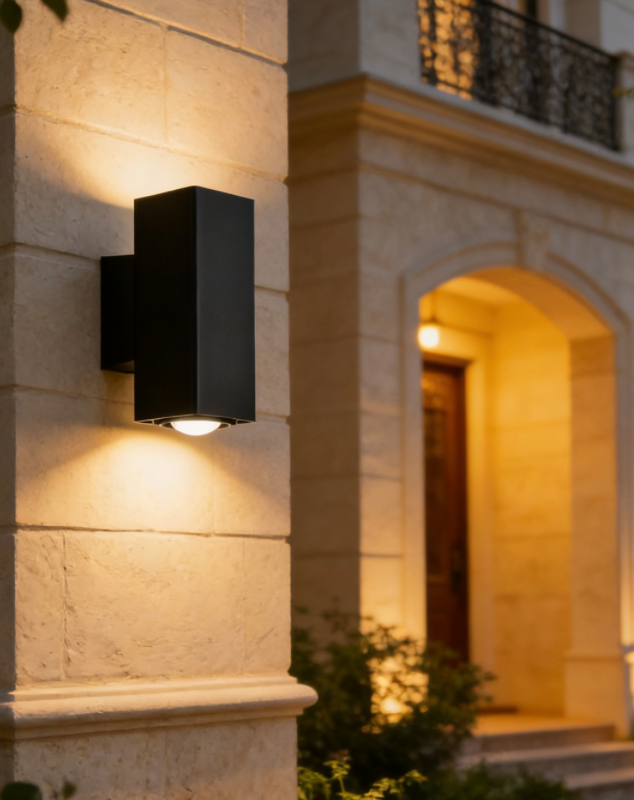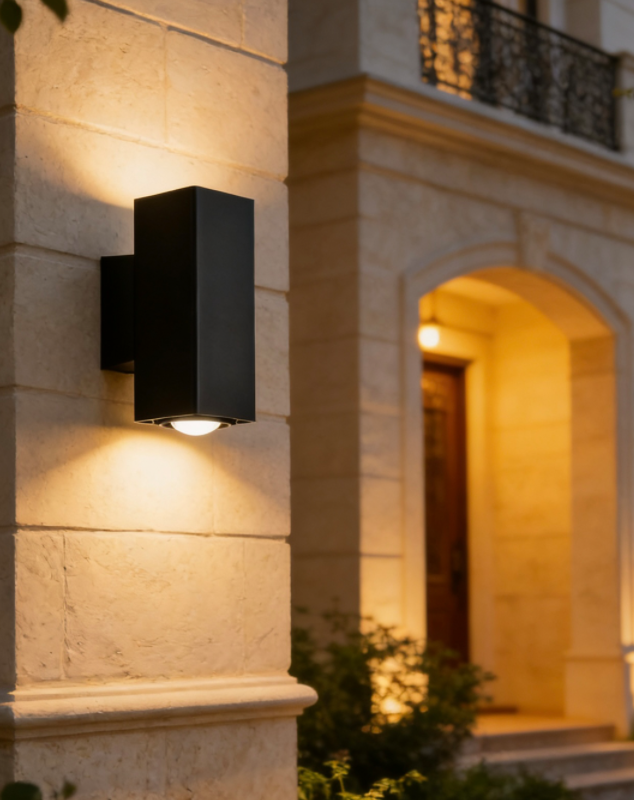
When an entrance light turns on as a guest approaches, a small sensing and switching sequence is taking place. Outdoor wall lights motion sensor products combine a light source with a trigger that responds to movement, but the exact behavior depends on the fixture design and installation. Understanding the sequence helps B2B buyers plan safer, more comfortable exterior lighting.
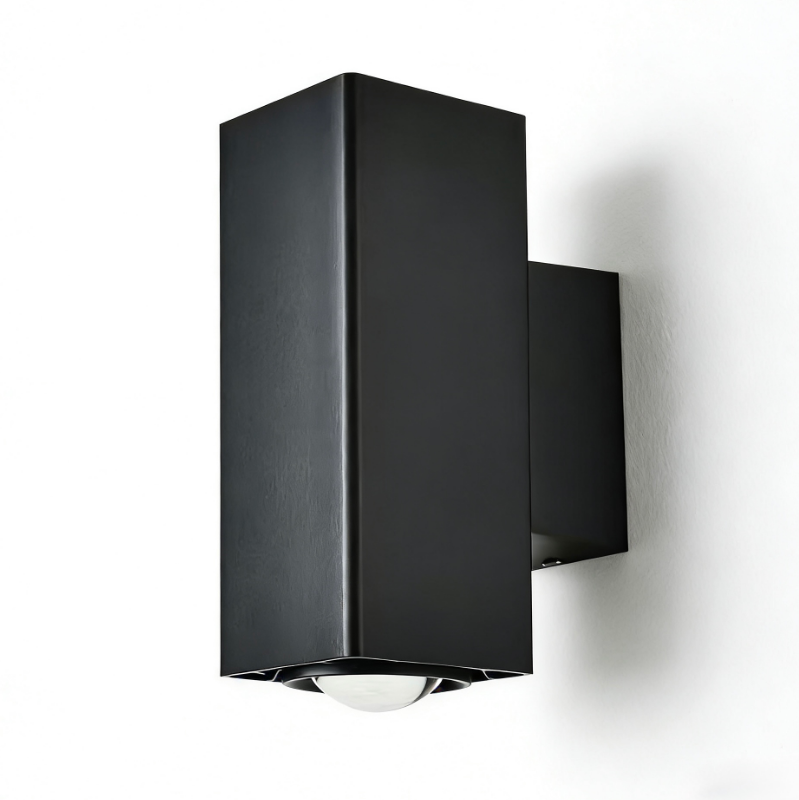
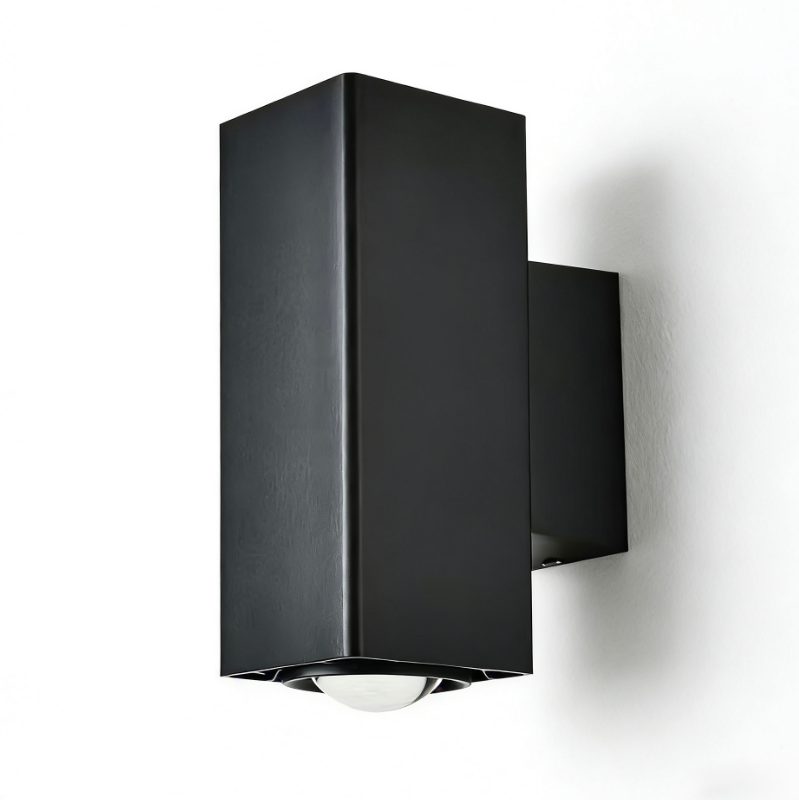
A0696 is a premium customizable wall sconce featuring motion activation and a soft glow. Our comprehensive specification includes a die-casting aluminum housing with tempered glass, a CREE COB 2x5W LED chip, KEDA driver, 85–265V AC at 50/60Hz input, IP65 outdoor-light rating, size Ø65 × W100 × H160 mm, and a three-year warranty. While specific sensing technology, detection range, time setting, and wiring diagram vary by project, we recommend confirming these details with our team.
The Basic Motion-Light Sequence
A motion sensor monitors a defined area. When movement meets the sensor’s internal conditions, a control signal allows the lamp circuit to activate. The driver then supplies the LED chip, and the fitting produces light. After the configured period or control event, the circuit returns to its previous state.
Movement can come from a person, vehicle, pet, or service cart. The position of the fitting influences what crosses the sensing field. A sensor facing a driveway may respond sooner to vehicles than one aimed along a narrow path. Mark expected approaches on the site plan before selecting a mounting point.
What the A0696 Product Data Tells Us
A0696 is presented for LED outdoor wall lights for home, hotel exterior lighting, and building façades. Its CREE COB 2x5W chip is the listed light source, while the KEDA driver is the listed power component. The 85–265V AC, 50/60Hz input range gives the electrician a documented supply reference.
The die-casting aluminum housing and tempered glass cover form the published material description. The IP65 label belongs to the listed outdoor-light specification. It does not describe how a damaged cover, open seal, or incorrect reassembly will perform. Keep the housing intact and follow the approved installation method during service.
For an OEM or ODM project, ask for the sensor assembly, control behavior, and approved drawings in the same revision package as the body and finish. This prevents a procurement team from treating a general motion-light concept as a confirmed product parameter.
How Detection and Illumination Work Together
Sensor placement and beam placement are related but not identical. A sensor may need a clear view of the approach, while the LED beam should illuminate the landing, wall, or path without creating glare. Review both zones on the elevation drawing. Check sightlines from guests, residents, staff, and passing traffic.
For a villa entrance, the trigger area may include the gate and the final steps. For a hotel, service movement may require a different orientation from guest arrival. Use a temporary mark to record the selected angle, then test with normal walking speed, carts, and vehicles relevant to the property.
Installation Checks for Project Teams
A qualified electrician should isolate the circuit before wiring or opening the fixture. Compare the site supply with the published 85–265V AC, 50/60Hz range, and verify protection under local rules. Request the wiring diagram when the sensor requires a specific connection. Do not add an external controller or bypass without written approval.
Mount the fitting on a suitable wall with the cable route protected from impact, standing water, and maintenance tools. Check the Ø65 × W100 × H160 mm envelope against the wall detail. Leave access for inspection of the tempered glass, housing, driver, and sensor assembly.
After power is restored, test activation in daylight and darkness. Record whether the lamp responds to each approach, whether unwanted triggers occur, and how the circuit behaves after a power interruption. If the result differs from the approved sample, inspect the physical position before changing project assumptions.
Managing False Triggers and Missed Detection
Wind-blown branches, reflective surfaces, and moving equipment can influence a sensing zone. Review landscaping and site operations around the fitting. Trimming a branch, changing the fixture angle, or relocating a sign may improve the scene without altering the lamp. Record each adjustment so installers can repeat it on similar buildings.
Missed detection can result from an approach outside the sensing field or from an obstructed sensor view. Walk the route from several directions and heights. If a change is needed, obtain an updated drawing and test record.
B2B Documentation and Support
For distributors, importers, contractors, and designers, a useful package includes the A0696 code, material description, LED and driver data, input range, IP65 rating, dimensions, warranty, sensor documentation, and commissioning notes. We possess a 7,000 m² production base and support customizable outdoor lighting programs. Keep pending items clearly marked.
Confirm service coverage, regional requirements, and replacement procedures for the destination market. At Keyida, we work with OEM, ODM, wholesale, and project customers to document how outdoor wall lights motion sensor installations are specified, tested, and maintained.