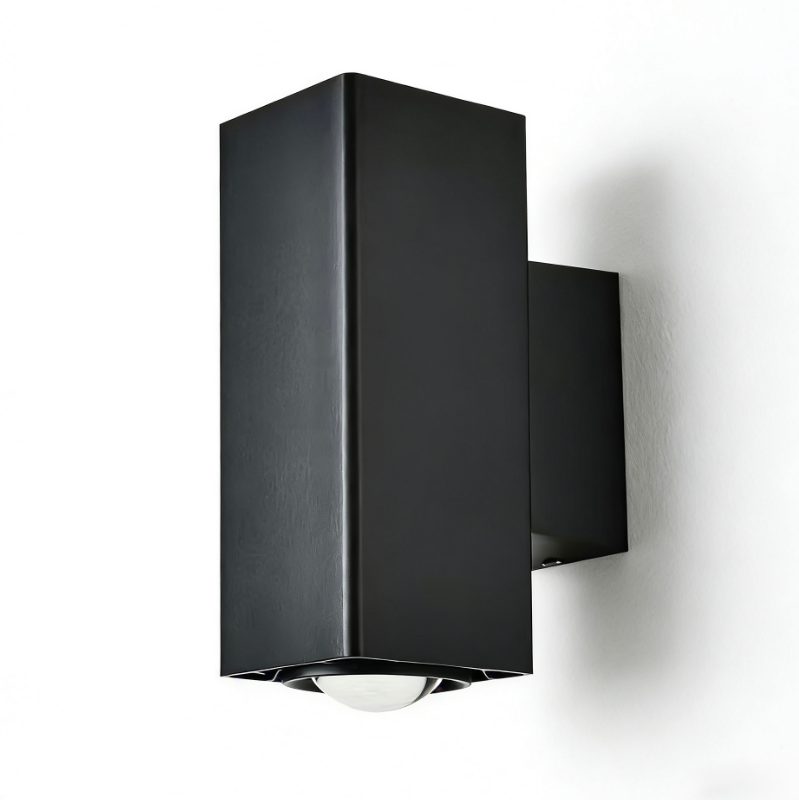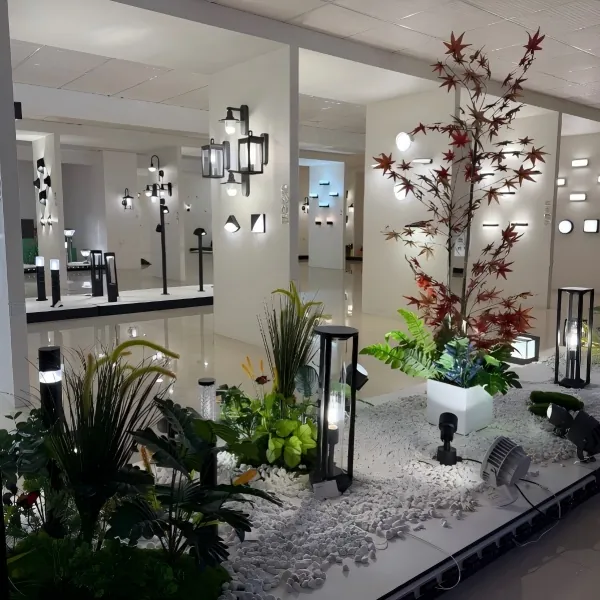
Global distribution involves more than moving lighting products from one country to another. Packaging volume, structural weight, carton strength, loading efficiency, and handling methods can all influence logistics planning. For distributors and project suppliers purchasing outdoor pier mount lights, structural weight is particularly important because it affects freight cost, packaging design, container utilization, and handling during transit.
Weight should not be considered separately from product construction. Housing material, lampshade design, internal components, and mounting structure all contribute to the final shipping weight. Buyers who understand these factors can make more practical decisions when comparing products for international distribution, retail stocking, or project supply.
Why Structural Weight Matters in International Shipping
Freight charges for lighting products are influenced by both actual weight and shipment volume. A compact product may still increase shipping costs when its construction is unnecessarily heavy. This becomes more noticeable when hundreds or thousands of units are shipped together.
Structural weight also affects manual handling. Heavier cartons require more attention during warehouse movement, pallet loading, and container unloading. Retail distributors may also need to consider how products are transferred between regional warehouses and stores after arrival.
For this reason, product developers need to balance structural strength with practical material use. The objective is not simply to reduce weight. Housing strength, outdoor performance, and installation reliability still need to match the intended application.
Material Selection Changes the Shipping Profile
Outdoor lighting usually needs a housing that can withstand daily exposure and routine installation conditions. Material selection therefore influences both product structure and logistics performance.
Die-casting aluminum is commonly used for outdoor lamp housings because it allows manufacturers to create defined shapes with controlled wall thickness. When the structure is planned carefully, aluminum construction can provide mechanical support without requiring excessive material.
Lampshade material also affects weight. PC components are relatively light and can be formed into different shapes. Combining a die-casting aluminum housing with a PC lampshade can therefore help control total product weight while maintaining a practical outdoor structure.
At Keyida, we pay attention to this relationship during product development. Structural dimensions, housing form, component arrangement, and surface treatment are considered together rather than treating weight reduction as an isolated target.
Packaging Design Starts With Product Structure
The structure of pier mount lights directly influences packaging requirements. Products with wide decorative parts or irregular projections may need thicker foam, larger cartons, or additional internal protection. Those packaging materials add both volume and weight.
More compact structures can simplify carton design. When the lamp body occupies less space, packaging engineers have more flexibility when arranging protective materials around the product. This can improve carton utilization without reducing basic transport protection.
Stacking strength is another consideration. Export cartons may pass through several warehouses, trucks, ports, and distribution centers. Packaging therefore needs to support the product during repeated handling. Heavy products can place greater pressure on cartons positioned at the bottom of a pallet.
For B2B buyers, carton size and unit weight are useful details to review before placing larger orders. These figures can influence freight estimates and help purchasing teams compare different shipment configurations.
A Compact Product Example
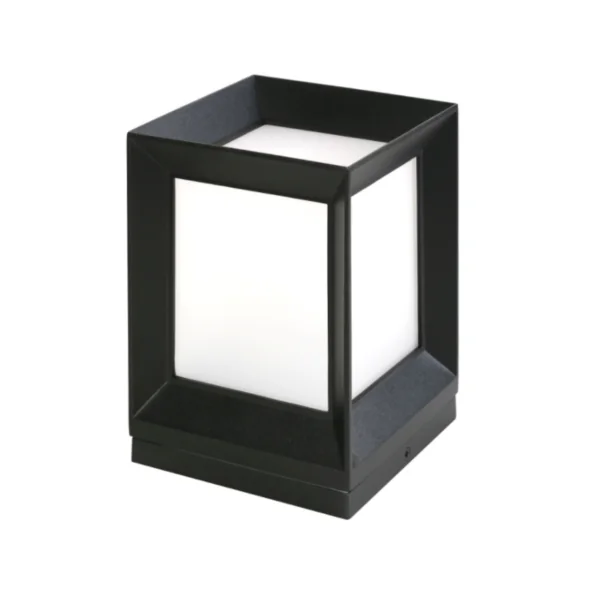
One practical example is our OUTDOOR LIGHT with an IP54 rating. The product uses a die-casting aluminum housing with a PC lampshade. Its light source configuration is 1×E27, and the overall size is Ø120 × H178 mm.
This type of compact structure is relevant to global logistics because its dimensions can simplify carton planning. The E27 configuration also gives distributors flexibility in selecting a suitable bulb for different market requirements.
The product does not depend on an oversized housing to create its form. Instead, the design combines a small body with a defined exterior structure. For importers managing mixed lighting categories, compact dimensions can make warehouse allocation and shipment planning easier.
Product selection should still consider the actual installation environment. An IP54 product needs to be evaluated according to the intended project conditions rather than treating one protection level as suitable for every outdoor location.
Container Utilization Affects Order Economics
Shipping cost is usually evaluated at order level rather than by examining one lamp alone. Even a small difference in unit weight can become significant across a large batch of outdoor pier mount lights.
Container utilization is influenced by carton dimensions, pallet arrangement, gross weight, and the number of units loaded. Purchasing teams should therefore request packaging information before confirming shipment plans.
Mixed-container orders add another layer of planning. Lighting distributors may purchase wall lamps, garden lamps, and other outdoor products in the same shipment. Product weight needs to be distributed carefully so that pallets remain practical to handle.
MOQ also plays a role in logistics calculations. Our regular products start from 200 pieces per model, while customized colors start from 800 pieces per model. These quantities allow B2B buyers to plan freight calculations around actual purchasing requirements.
Weight Also Influences Warehouse Operations
International logistics does not end when products arrive at the destination port. Warehouses must receive, inspect, store, pick, and redistribute each carton.
Heavy lighting products may require additional handling attention. Repeated lifting can affect warehouse efficiency, while large cartons can reduce available rack space. Retail chains and building-material distributors therefore benefit from reviewing weight and dimensions before introducing a new product line.
Smaller pier mount lights can also be easier to display in showrooms or retail environments. However, structural compactness should still be supported by suitable materials and production control. Appearance, installation needs, and outdoor durability remain part of the overall evaluation.
Linking Product Design With Supply Planning
Global lighting procurement works more smoothly when product design and logistics planning are considered together. Structural weight affects freight, carton construction, loading efficiency, warehouse handling, and downstream distribution. Buyers who review these factors early can estimate landed costs with greater clarity.
At Keyida, our 7,000-square-meter production workshop and 1,100-square-meter showroom support product development, production, and B2B cooperation. We also provide OEM and ODM services for customers with different market requirements.
For importers and lighting distributors, shipping performance begins long before a container reaches the port. Housing materials, product dimensions, packaging structure, and order quantity all shape the logistics result. Looking at structural weight from this broader perspective helps buyers build more practical international supply plans.