Outdoor lighting is moving beyond basic illumination. In commercial landscapes, entrances, residential developments, and public areas, connected controls are becoming part of lighting planning. For buyers of outdoor pier mount lights, this shift raises a practical question: what does 5G integration actually change in a compact outdoor fixture?
The answer is not that every light needs its own full 5G connection. In 2026, the more realistic direction is selective integration. 5G modules can support connected lighting nodes, gateways, sensors, and wider smart-site systems where remote management or multi-device coordination brings clear value.
Why 5G Is Entering Outdoor Lighting Discussions
Traditional outdoor lights can work with fixed switching, timers, or local sensors. Connected projects need communication between fixtures, controllers, gateways, and management platforms.
5G Reduced Capability, often called RedCap, is gaining attention for connected devices that do not need the bandwidth of full 5G. Industry data published in 2026 shows continued development of RedCap modules for industrial sensors, surveillance, retail, and smart-grid uses. That makes the technology relevant to future lighting infrastructure as well.
For pier mount outdoor lighting, the value lies less in raw data speed and more in system flexibility. A connected lighting point can become part of a broader site network. It may exchange operating data, respond to control commands, or work with nearby sensing equipment.
What 5G Modules Can Add to a Lighting System
Remote monitoring is one practical direction. Property managers or project operators may want to check operating status without visiting each installation point. Networked controls can also support scheduled switching, fault reporting, and coordinated operation across outdoor zones.
Sensor integration creates another use case. Lighting can work with radar sensing, PIR sensing, or other control inputs. When these functions are linked through a site network, lighting can respond to movement, access activity, or changing schedules.
Data exchange can make maintenance more organized. Operating information can help teams plan inspections and manage outdoor assets.
Product Hardware Still Comes First
Connectivity cannot compensate for weak fixture construction. Outdoor equipment still needs suitable materials, stable electrical components, and protection against rain and changing weather.
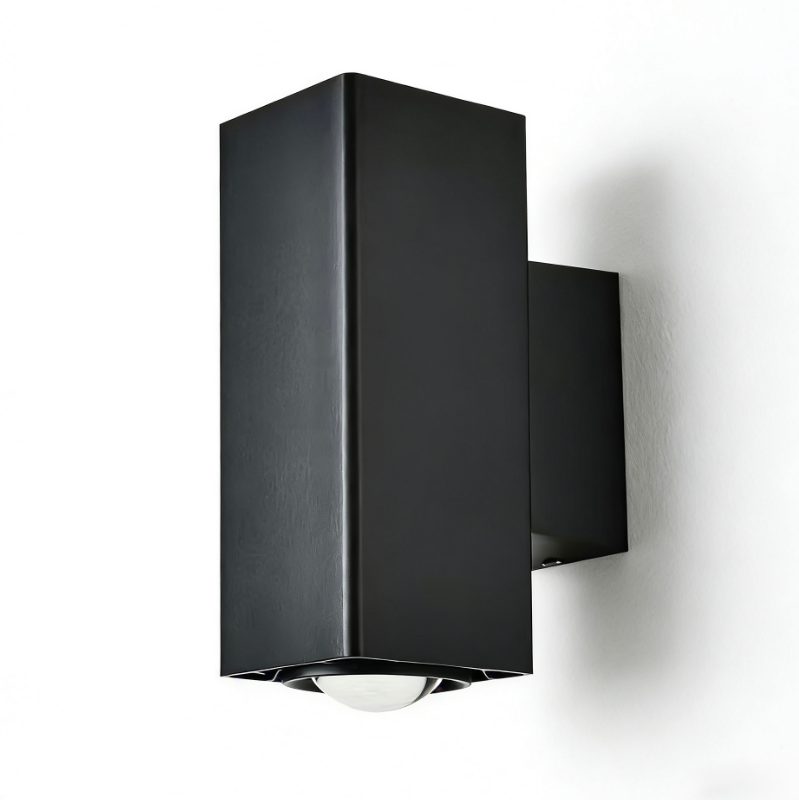
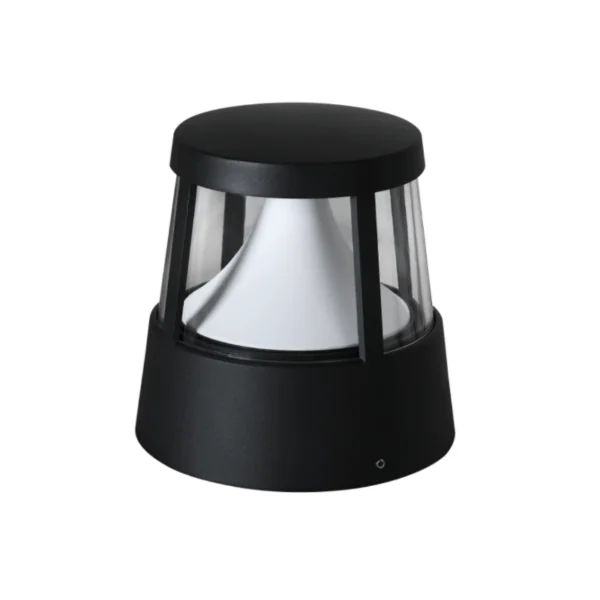
Our B0632-4 is one example of a compact fixture that fits this planning approach. It uses a die-casting aluminum housing with a PC lampshade and has an IP65 rating. The unit measures D147 × W197 × H200 mm.
The light uses an Epistar SMD 10W LED chip with a KEDA driver. Its input range is 85–265V AC at 50/60Hz, and the warranty period is three years. These specifications give project buyers a clear hardware base before extra sensing or network functions are considered.
Modularity Matters More in Smart Projects
Smart-lighting projects can change over time. One customer may want integrated LED lighting, while another may prefer a replaceable lamp holder such as E27. We see this flexibility as important because maintenance practices and local purchasing habits differ between markets.
The same principle applies to control features. CCT adjustment, RGB lighting, radar sensing, and PIR sensing can serve different applications. Not every project needs every function. A better approach is to match the control package to the actual operating environment.
For distributors and building-material retailers, this modular thinking also supports a wider product mix. Outdoor pier mount lights can be offered in different configurations without changing the basic design language of a collection.
Where 5G Makes Sense and Where It Does Not
Full 5G is not automatically the right choice for a single decorative fixture. Cost, network availability, data requirements, and maintenance strategy all need to be considered. In smaller projects, local sensing or simpler wireless systems may still be more practical.
The picture changes when lighting becomes part of a larger connected site. Campuses, mixed-use developments, hospitality projects, gated properties, and managed commercial spaces may benefit more from centralized communication. In these settings, pier mount outdoor lighting can work as one layer within a wider outdoor management system.
RedCap is still developing. Research published in 2026 notes that pricing and 5G standalone network availability continue to affect adoption. Project teams should therefore treat 5G integration as a design option rather than a default requirement.
What B2B Buyers Should Evaluate
Buyers should begin with the physical environment. Exposure to rain, heat, dust, and regular cleaning affects fixture selection. Material, lampshade design, surface treatment, driver stability, and waterproof construction should remain part of the evaluation.
The next step is serviceability. Replaceable LED components or lamp-holder options can simplify maintenance, while clear technical materials help B2B buyers compare configurations.
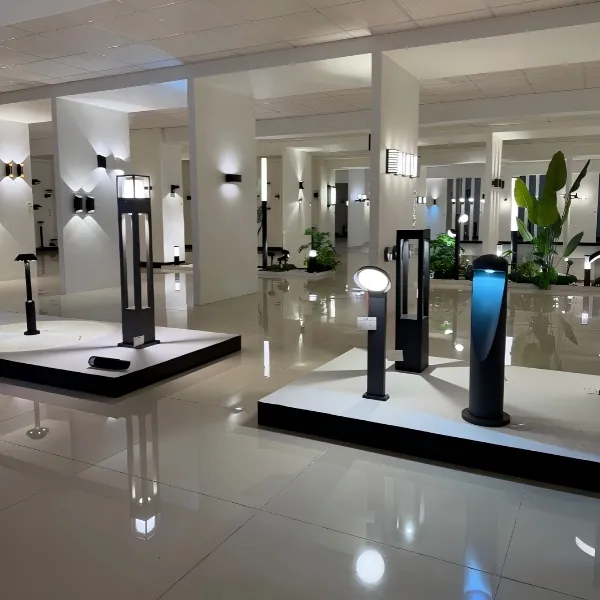
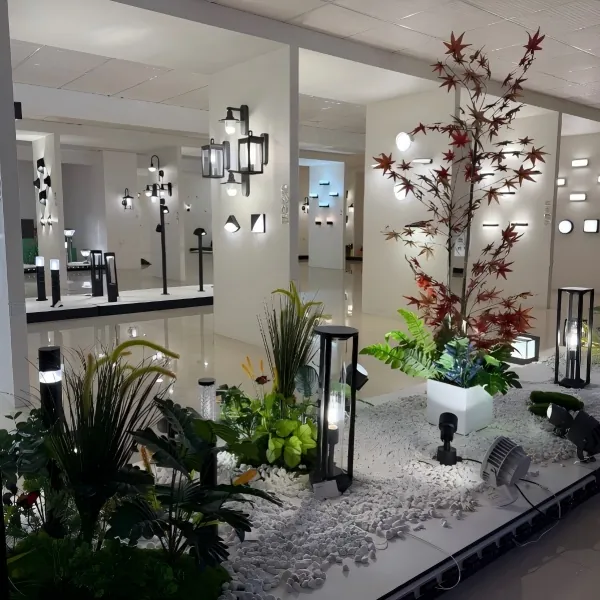
At Keyida, we support OEM and ODM development for modern small outdoor lighting. Our production base includes a 7,000 m² workshop and a 1,100 m² showroom. We also provide 2D drawings, high-resolution images, instructions, and customization support for B2B partners.
A More Connected Direction for Outdoor Lighting
The 2026 trend is not simply about putting a 5G module inside every fixture. It is about preparing outdoor lighting for a more connected project environment. Hardware quality, modular control, sensing options, and network compatibility need to work together.
For distributors and project partners, the useful question is whether connectivity improves operation, maintenance, or system coordination. Keyida continues to develop modern outdoor lighting with private-mold designs, configurable functions, and OEM or ODM support. This gives partners room to plan for current projects while keeping future smart-lighting requirements in view.