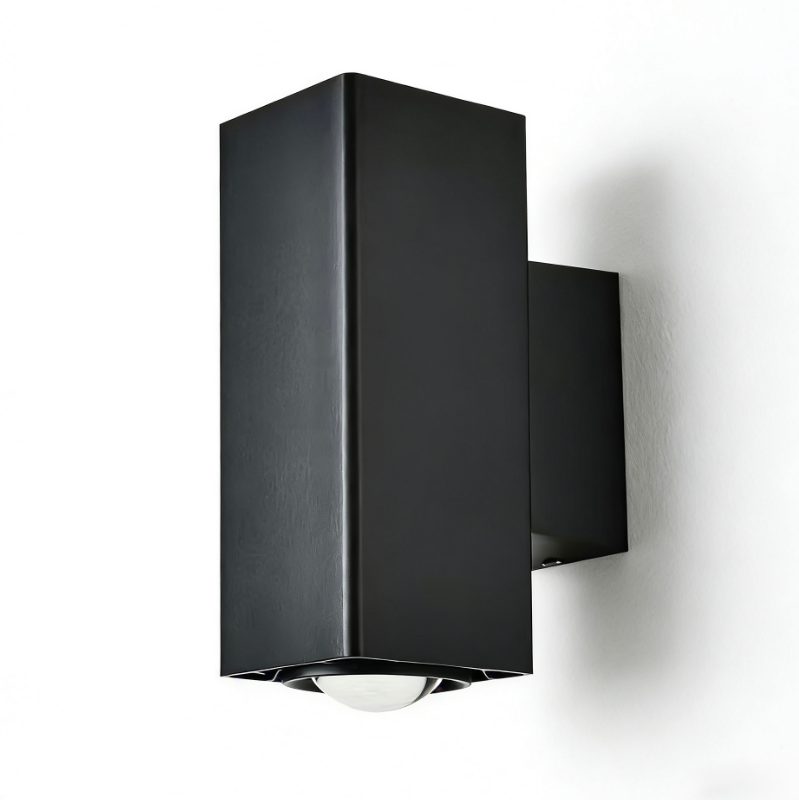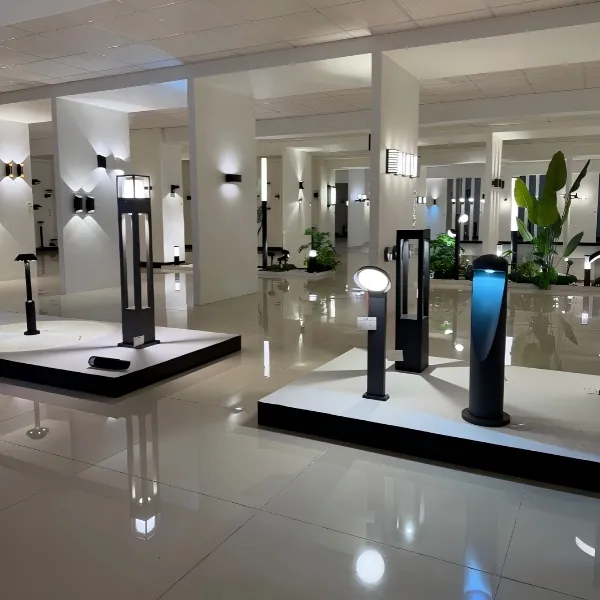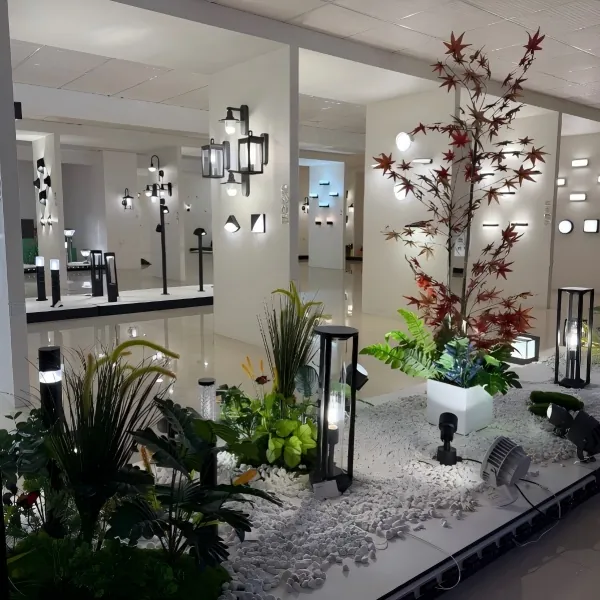
Outdoor lighting is moving toward more responsive and energy-aware control. For commercial projects, the change is not only about brighter fixtures or new shapes. Buyers increasingly want lighting that can react to movement, ambient conditions, and operating schedules. This trend is influencing future outdoor lighting design for hotels, commercial gardens, public spaces, and building exteriors.
How Smart Sensors May Change Outdoor Lighting
Traditional outdoor lighting often works with fixed timers, manual switches, or basic motion sensors. These methods are simple but may not respond well to changing site conditions. Smart sensing can add another layer of control by using data from movement, light levels, or surrounding activity.
For example, a future lighting system may reduce output when an area is empty and increase brightness when movement is detected. It may also adjust operation according to daylight levels. This can help project owners manage energy use while keeping important areas visible at suitable times.
AI does not mean every fixture needs complex computing hardware. The practical direction is smarter coordination between sensors, controllers, and lighting equipment so systems can make more suitable operating decisions.
Why Sensor Placement Matters
Smart lighting performance depends heavily on sensor position. Poor placement may cause delayed detection, false triggering, or incomplete coverage. Designers need to review sightlines, mounting height, vegetation, nearby walls, and expected movement paths before deciding where sensors should be installed.
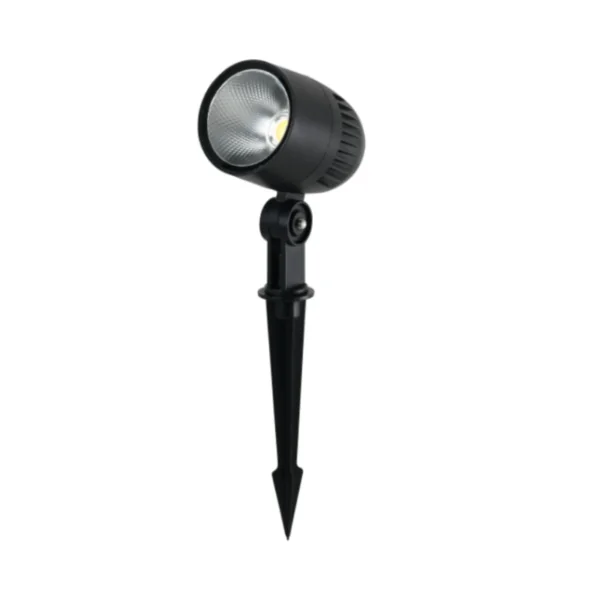
This is especially relevant for garden spike lights, which are often installed close to plants, paths, walls, or landscape features. Leaves, branches, and changing garden layouts may affect sensor detection. Fixture position and sensor position should therefore be planned together.
Project teams also need to consider maintenance. Sensors exposed to outdoor conditions may require periodic inspection. Easy access, practical wiring, and clear documentation can reduce later service work.
From Basic Detection to Adaptive Control
One clear direction is the move from simple on-off sensing toward adaptive control. Basic PIR or radar sensing can already detect movement, but future systems may combine more data points. These can include time schedules, ambient light, traffic patterns, and different activity zones.
For a landscape spotlight, this could mean different output settings during early evening, late night, or low-traffic hours. The goal is not automation for its own sake. The value comes from matching lighting behavior with actual site use.
We see this trend as relevant to B2B buyers because commercial lighting projects often require repeatable control and clear operating logic. At Keyida, we pay attention to how product structure, driver stability, and future control compatibility may affect practical project planning.
Fixture Structure Still Comes First
Smart functions cannot replace basic fixture quality. Outdoor lighting still needs suitable materials, stable electrical parts, and a structure designed for the intended environment. Sensor features only add value when the fixture itself performs reliably.
Our E0339 outdoor light is one example of a compact product platform for this type of application discussion. It uses a die-casting aluminum housing with a glass lampshade and carries an IP54 rating. The fixture uses an Epistar COB 5W LED chip with a KEDA Driver and supports 85–265V AC, 50/60Hz input.
Its size is Ø87 × L140 × H370 mm, and the warranty period is three years. These specifications help project teams compare dimensions, electrical compatibility, installation space, and maintenance needs.
Modular Thinking Can Support Future Upgrades
Another important trend is modularity. Smart lighting technology can change faster than basic housings or mounting structures. If sensing, control, or driver components can be serviced or upgraded more easily, buyers may gain more flexibility over the product lifecycle.
This does not mean every product needs a fully modular architecture. It means designers should consider replacement access, wiring space, and compatibility during product development. These details can affect how easily smart functions are added later.
For garden spike lights, this approach can be useful because landscaping projects may change after installation. Plant growth, path adjustments, or new usage patterns can create different lighting needs. Flexible control options make it easier to adapt without replacing the complete lighting arrangement.
What B2B Buyers Should Evaluate
When reviewing future smart outdoor lighting, buyers should separate useful functions from unnecessary complexity. Evaluation points can include sensor type, detection area, response time, outdoor protection, control method, driver compatibility, and maintenance access.
Retailers and building-material distributors should also consider how clearly these features can be explained to customers. Simple operating logic and clear technical documents can make products easier to specify and support. Project designers may also require 2D drawings, manuals, and other technical information before approval.
At Keyida, we focus on modern small outdoor lighting and support OEM and ODM development for B2B customers. Our product approach includes private-mold designs, regular new product development, and customization options for different market requirements.
A More Practical Direction for Smart Outdoor Lighting
The next stage of smart outdoor lighting is likely to focus less on adding functions and more on making those functions practical. Sensor accuracy, stable drivers, suitable fixture structures, and clear control logic will remain central to project performance.
For manufacturers, distributors, and project teams, the useful question is not whether AI will appear in outdoor lighting, but how it can improve real installation and maintenance decisions. Well-planned smart sensing can help lighting systems respond more naturally to site activity while keeping product selection grounded in structure, durability, and service needs.