A coastal resort asks landscape lighting to perform two jobs at once. It should guide guests along planting beds and walkways, while its hardware sits near salt air, wind, irrigation, and frequent maintenance. For procurement teams, the phrase garden spike lights describes a starting point, not a corrosion rating. Product selection needs a site review and written confirmation of conditions.
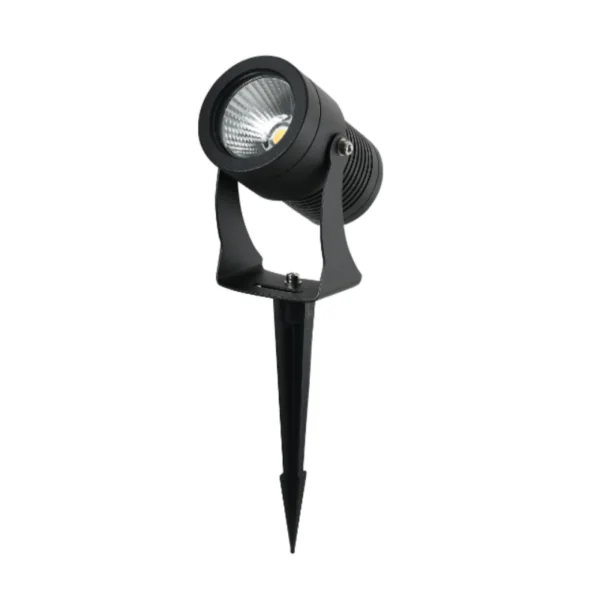
Our Spike Lamp collection features fixtures specifically designed for flower beds and landscape walkways. Our premium construction includes aluminum bodies carefully prepared with pre-painting sanding, replaceable LED chips and drivers, interchangeable lamp heads, and a soft, focused glow. We offer four exceptional models—E0339, E0338, E0337, and E0336—to suit diverse project needs. For high-salinity coastal resorts, we recommend confirming specific salt-spray class, ingress rating, and coastal warranty details in the specification.
Map the Resort’s Exposure Zones
Salt exposure is rarely uniform across a property. A beachfront promenade, pool deck, service yard, and sheltered courtyard can experience different wind and spray patterns. Mark each zone on the landscape plan, then note distance from the shoreline, irrigation overspray, cleaning routines, and access for replacement work. This information helps the supplier review a suitable finish and maintenance approach.
Avoid treating every planting bed as the same application. A dune-facing path may need fixtures set behind low planting, while a courtyard bed may allow a more visible accent position.Match the selected model to those stated applications before discussing adaptations.
Specify Materials with a Maintenance Plan
In a high-salinity resort, the finish becomes a critical part of our service commitment. We recommend reviewing current material and coating information, approved color samples, and cleaning guidance for the chosen model. We advise not relying on aluminum alone to determine coastal suitability, and we provide comprehensive support to help you choose wisely.
Replaceable LED chips and drivers can support a planned service strategy when access is available. Position the stake so horticultural crews can reach it without stepping into fragile planting. Keep a record of fixture code, finish, orientation, and installation date. This documentation helps a resort operator schedule inspections and discuss replacement parts with the supplier.
The interchangeable lamp head also deserves a written check. A resort may refresh its landscape style between seasons or across guest zones. Confirm which heads are compatible with each body and whether the selected finish applies to both parts.
Control Glare Along Guest Routes
Coastal resorts often combine low planting, reflective paving, pools, and glass façades. Aim the beam across leaves and stems instead of toward approaching guests. Use foliage or edging to screen the bright source, while leaving clearance for cleaning and service. Review the scene from loungers, balconies, and the path centerline.
When reviewing garden LED spike lights, we recommend leveraging our focused glow design for garden edges and flower beds, plus adjustable beam direction for taller shrubs or façade corners. These versatile features guide the mock-up process and help achieve optimal glare control. While specific lumen output, beam spread, and shielding data vary by model, we advise testing each selected model at night.
Separate accent lighting from circulation lighting. A spike fixture can highlight a palm, sculpture, or shrub, while another layer guides footsteps. Check the planting with path lights off and then with all zones active. If the accent becomes dominant, reposition the head or revise circuit grouping before opening the resort to guests.
Build a Coastal Mock-Up
Install one sample fixture in a representative exposure zone. Include proposed mounting depth, cable route, finish, and control schedule. Observe it after irrigation, cleaning, and from viewpoints used by guests and staff. Record reflections, head visibility, and ease of access. A mock-up gives purchasing and operations teams shared evidence.
Repeat the review for a sheltered zone and an exposed zone. Differences in windblown sand, salt residue, or plant movement may change the preferred position. If a finish or component needs adjustment, capture the revision in the sample approval record. This process is useful for hotels, villas, and mixed-use resort developments.
Prepare Supply Documents for B2B Programs
For an OEM or ODM order, combine the approved model code with color, head style, packaging marks, and inspection points. We possess a 7,000 m² plant, a 1,100 m² showroom, quarterly product launches, and certifications including CE, RoHS, and SAA. Request current drawings and project documents before adding technical values that the public page does not show.
Re-sanding and repainting services are available.We also clarify how these services apply to the destination market, installation conditions, and service route. A resort operator can then align purchasing expectations with its maintenance budget and local requirements. Include cleaning intervals, inspection photos, and spare-part contacts in the handover file so operations staff can act consistently across changing seasons and shifts.
A Practical Decision Framework
Choose the fixture family after reviewing exposure, visual role, service access, and verified documentation. Use the four listed models as comparison points rather than ranking one model for every coastal location. Check sample finishes in daylight and after sunset. Keep product facts separate from assumptions about salt resistance, controls, or electrical performance.
With that discipline, the fixtures can become a documented part of a resort landscape package. At Keyida, we work with importers, contractors, designers, owners, and distributors on outdoor lighting projects, helping teams refine model selection, customization details, and supply records for demanding coastal scenarios.