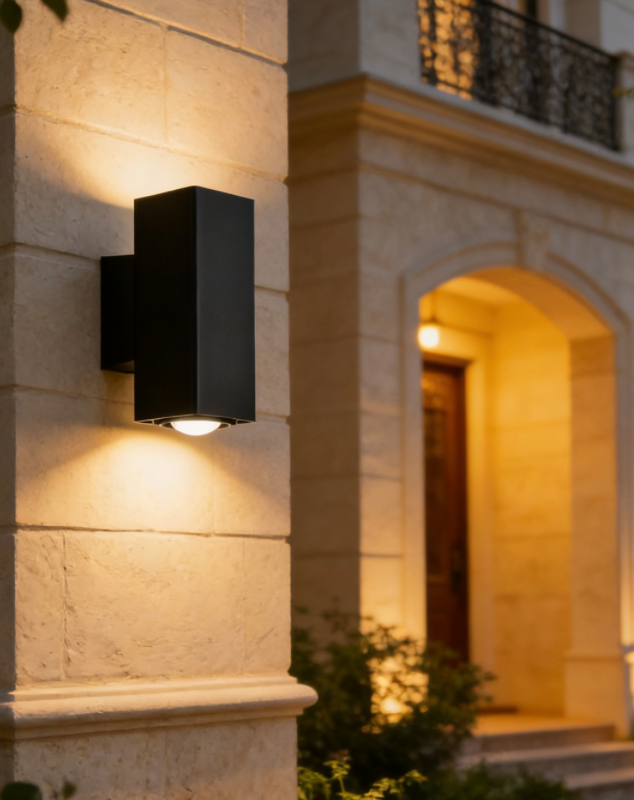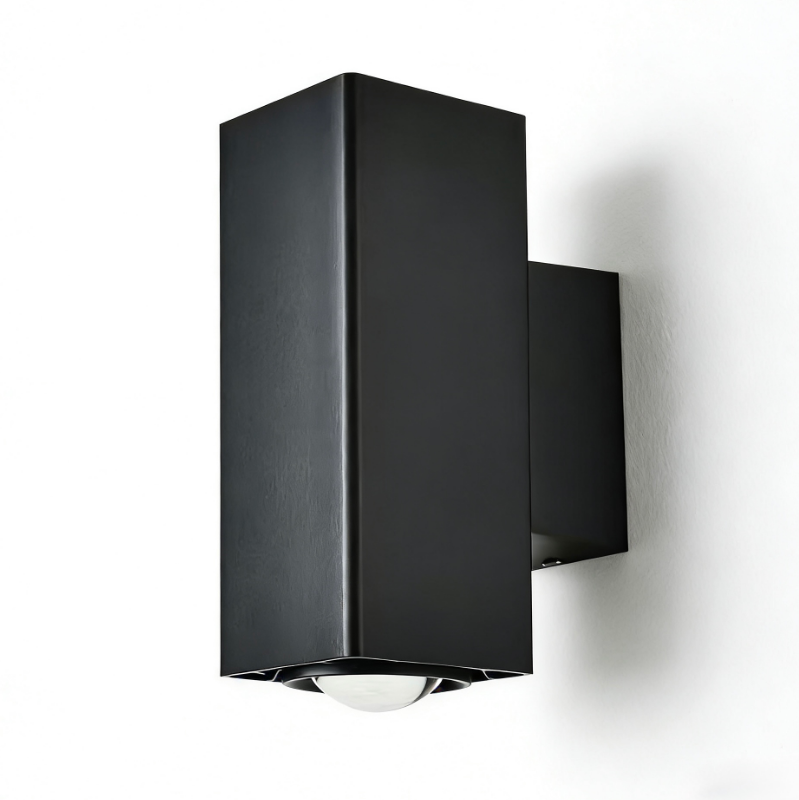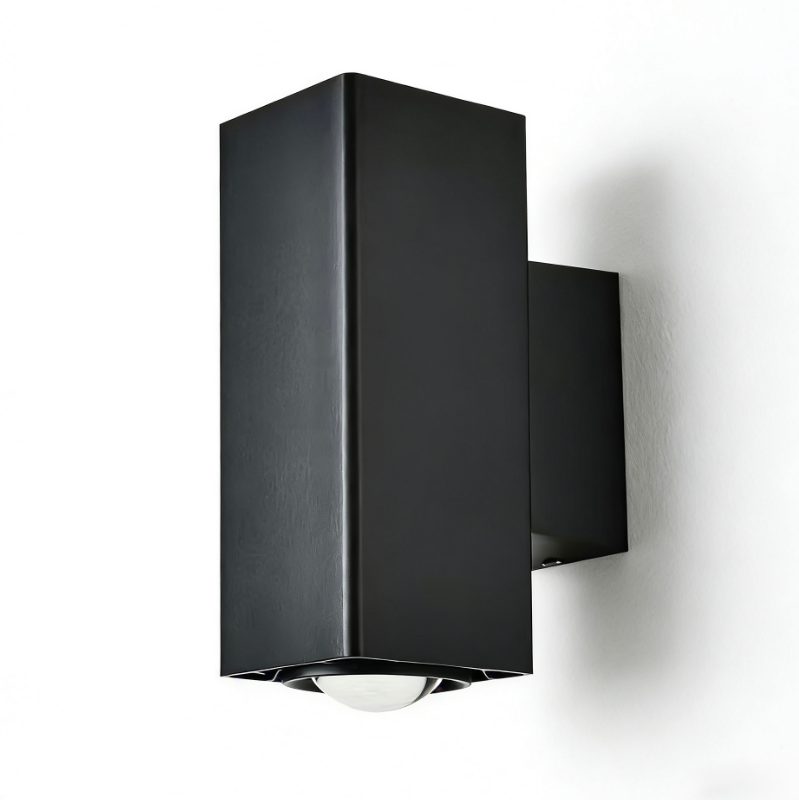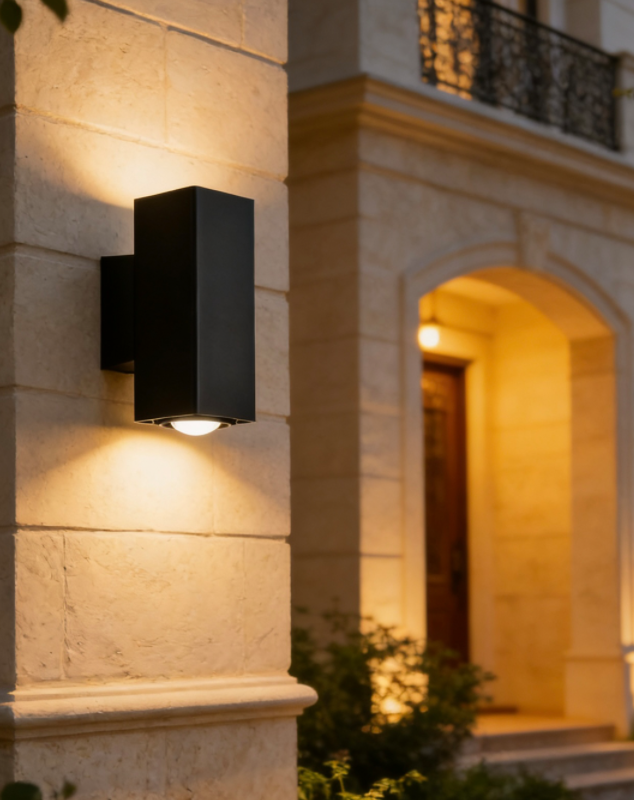
A flower bed can look vivid in daylight, yet a poorly aimed fixture may create bright points after dark. The goal of garden spike lights is to reveal planting structure while keeping the source discreet. For contractors and designers, positioning affects comfort, maintenance, and consistency across installations.
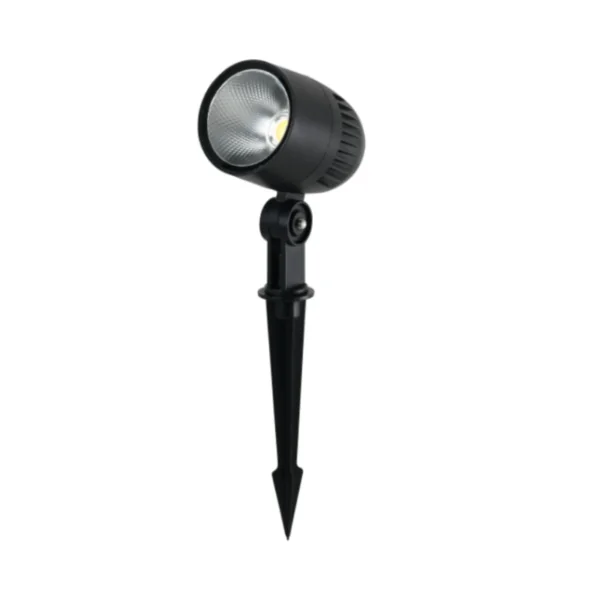
At Keyida, our Spike Lamp collection features a focused, soft glow perfect for flower beds and landscape walkways. Our premium construction includes an aluminum body prepared with pre-painting sanding, replaceable LED chips and drivers, and an interchangeable lamp head. We offer four exceptional models—E0339, E0338, E0337, and E0336—to suit diverse project needs. While photometric files and glare ratings vary by installation, our proven best practices below focus on optimal aiming to minimize glare.
Read the Scene Before Placement
Practice 1 — Begin with the viewer’s route. Stand where people will walk, sit, or approach an entrance. Note angles from paths, windows, benches, and driveways. A spike light that looks comfortable from the planting bed may appear intense from a lower seat. Mark viewpoints on the plan, then aim the fixture away from eye lines while preserving the plant feature.
For commercial sites, include staff routes and cleaning areas. A hotel gardener may view the bed from a service path, while guests see it from a terrace. Recording both perspectives helps avoid late repositioning.
Practice 2 — Hide the bright source behind foliage or edging. Use leaves, low walls, or a raised bed edge to screen the lamp head when possible. Let illuminated surfaces attract attention instead of the LED source. Keep clearance for maintenance, and avoid placing the body where roots or irrigation work can disturb it.
Shape Beam and Spacing
Practice 3 — Aim across the planting, not toward the path. A cross-lighting angle can skim leaves and stems while limiting light projected toward approaching eyes. For a tree or statue, adjust the beam from the side and observe the result from the route. Small rotation changes alter shadows, so evaluate the whole scene.
Our landscape spotlight features adjustable beam direction ideal for taller shrubs or façade corners. We recommend treating this versatile feature as a valuable application reference. While exact adjustment range and beam spread vary by installation, we advise recording the final angle during mock-up approval for consistent results.
Practice 4 — Keep spacing irregular where the planting is irregular. Equal spacing can produce repetitive bright dots. Match locations to clusters, gaps, and plant height. A group of three lights may need different distances from the path so their glow feels balanced. Sketch the rhythm before driving spikes into finished soil or paving.
For a housing development, repeat the approved pattern at a sample garden. Photograph views from eye level and nearby rooms. This record helps installers reproduce the arrangement without assuming one distance suits every bed.
Control Aiming and Lighting Layers
Practice 5 — Use the lowest practical aiming angle. Start with the head tilted toward the target surface and away from the horizon. Raise the angle only when foliage remains too dark. This keeps more light within the planting zone and lowers the chance that the source is visible from a distant path.
We recommend not relying solely on the “LED” label to determine brightness or glare control. Our energy-efficient accent lighting delivers excellent performance, while specific lumen output, intensity, and shielding data vary by model. We advise using our supplied information and a thorough night mock-up for the final, informed decision.
Practice 6 — Rebalance garden spike lights across accent layers. A spike lamp highlighting a tree has a different task from a fixture guiding footsteps. Check the scene with path lights off, then with both layers on. If the route becomes dominant, lower the accent level or adjust the beam. Distinct functions are easier to tune for residential and commercial schedules.
Keyida supplies lawn, wall, column, and spike categories. A coordinated specification can assign each a clear role while preserving a common finish language. Do not assume optics, drivers, or controls match across categories without documentation.
Plan for Growth and Service
Practice 7 — Plan for seasonal growth and service access. Plants change height and density through the year. Leave room to rotate a head, clear leaves, or replace a chip or driver. Place the stake where gardening will not loosen it, and document its position relative to edging or irrigation. A service-friendly layout reduces the need to aim a fixture into a visitor’s view after growth changes the scene.
For B2B projects, include a maintenance sketch with fixture codes E0339 through E0336 when selected. Record orientation and finish. Re-sanding and repainting services are available; confirm process and timing for the target market.
Verify at Night and Prepare Supply
Practice 8 — Test glare from several distances. Inspect the installation close up, from the path end, and from inside the building. Walk while another team member observes. Look for reflections on paving, water, glass, or polished stone. If a hot point appears, change position or angle and retest.
A night mock-up supports purchasing decisions. Importers and designers can compare E0339, E0338, E0337, and E0336 under the same planting conditions. Note silhouette, head visibility, service access, and comfort. The record can guide batch production and handover.
Before ordering, request current drawings, material and finish details, LED-chip and driver information, plus installation guidance for the selected model. Confirm replaceable parts, head compatibility, packaging marks, and color samples. We operate a 7,000 m² facility and a 1,100 m² showroom, launch products quarterly, and support OEM, ODM, wholesale, and project cooperation.
At Keyida, we help project teams position an LED garden spike light consistently and present a documented solution to clients.