Pathway illumination is a critical component of site safety, architectural design, and risk management for modern commercial estates. For electrical contractors, project managers, and landscape architects, the installation process is just as important as the quality of the hardware itself. Poorly installed fixtures lead to premature failure, light pollution, and costly maintenance cycles.
As a premier global manufacturer with twenty-five years of dedicated industry experience, we at Keyida engineer high-performance landscape fixtures tailored to complex commercial environments. Operating from our state-of-the-art $7,000m² production facility, we supply robust, certified hardware to B2B clients worldwide. This technical guide outlines the professional standards required for a successful, long-lasting installation, helping your team deliver exceptional results for your next major development project.

Professional Site Planning and Infrastructure Preparation
Successful illumination projects begin long before any physical excavation takes place. The initial blueprint phase must account for the total electrical load, the distance from the primary power source, and the local soil conditions. When designing a lighting layout, we strongly recommend a center-fed configuration to mitigate voltage drop across expansive walkways. This ensures that every luminaire receives consistent power, maintaining uniform brightness throughout the entire site. If your project utilizes a low-voltage system, calculating the correct wire gauge is essential. Using undersized copper wire over long distances will result in significant energy loss and dim performance at the end of the line. Before breaking ground, site managers should coordinate with utility companies to locate existing underground infrastructure, ensuring that no lines are disturbed during the trenching process. A comprehensive plan minimizes on-site errors and prevents costly delays for landscape contractors.
Understanding the Installation of Bollard Lights
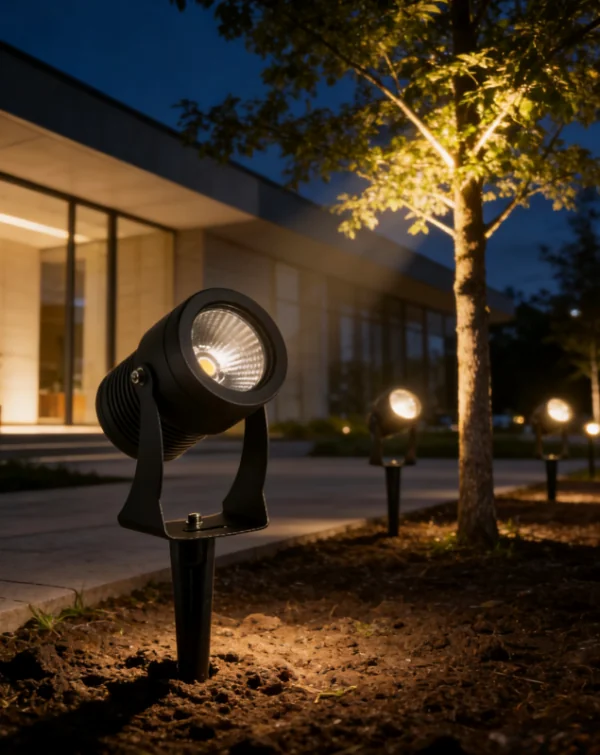
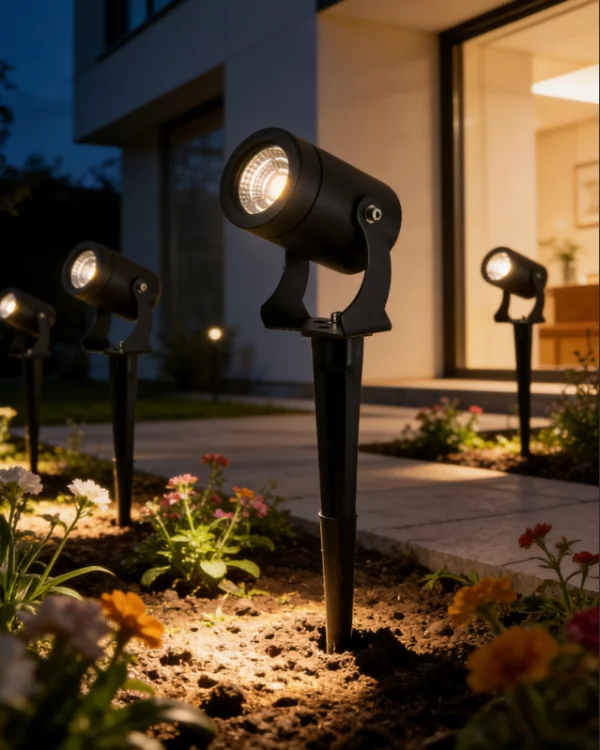
The physical mounting of landscape luminaires requires high precision to ensure structural integrity. When selecting robust bollard lights for public parks or luxury hospitality venues, you must choose a mounting system that matches the substrate. For hardscape surfaces like concrete plazas or stone walkways, a flange-mounted installation is the standard choice. This requires pre-installing J-bolts in the concrete foundation during the pouring process, using an alignment template to keep them perfectly level. In soft-ground areas like garden beds, an in-ground root installation is the preferred method. In this scenario, the root extension must be buried deep enough to extend below the local frost line. This prevents the ground from heaving during winter cycles, which would otherwise shift the luminaire and disrupt the landscape design. Regardless of the method, the goal is a stable, level, and secure installation that stands firm against high wind loads and physical impacts.
Trenching, Wiring, and Safety Compliance
Electrical safety is the foundational requirement for every professional installation. All wiring must be buried in accordance with local commercial building codes. This usually specifies burial depths for electrical conduits, generally from 45 cm to 60 cm based on local codes and circuit voltage. We always advise using high-quality PVC conduit to protect underground wires from moisture, physical damage from landscaping tools, and animal intrusion. When pulling wires through the conduit, ensure you have enough slack at the fixture base. This allows maintenance crews to easily access the connection points in the future without needing to re-pull the wire. Waterproofing is equally important. All wire connections must be made using outdoor-rated, moisture-tight junction kits. Water ingress is the primary cause of driver failure in exterior lighting, and a proper silicone seal at the base of the fixture is a non-negotiable step for long-term reliability.
Engineering for Maintenance Efficiency
In modern commercial developments, maintenance accessibility is a key performance indicator. A common mistake in large-scale projects is the use of non-serviceable fixtures, where the entire luminaire must be removed and replaced if a single component fails. At our manufacturing facility, we design our modern commercial fixtures with independent, easily replaceable LED modules and internal power drivers. If an electronic component eventually reaches the end of its lifespan, maintenance crews can service the fixture in mere minutes without excavating the concrete or unmounting the entire housing. This modular design dramatically reduces labor costs for facility managers, protecting the long-term ROI of the project. We also utilize a rigorous pre-painting sanding process on our aluminum housings, which ensures the powder coating bonds flawlessly and resists corrosion. This level of material engineering is what allows our products to survive decades of continuous exposure in demanding environments.
Final Commissioning and Operational Testing
Once the fixtures are mounted and the electrical connections are sealed, the final commissioning phase begins. This involves a complete systems test, checking that every unit activates according to the intended lighting schedule. If your project incorporates smart sensors, this is the time to calibrate the sensitivity thresholds to match the specific needs of the entrance or pathway. A well-calibrated sensor prevents unnecessary false triggers while ensuring the area is fully illuminated when needed, optimizing energy consumption and prolonging the life of the drivers. We encourage our B2B partners to utilize our technical support team for assistance with complex wiring or sensor configurations. Our expert engineers provide the guidance necessary to ensure rapid customs clearance and immediate compliance with SAA, RoHS, and CE certifications. Installing high-quality outdoor path lights requires attention to detail, the correct tools, and a partner who understands the realities of commercial field work. By specifying reliable, modular, and certified hardware, your team guarantees a successful project that reflects excellence in every detail. Professional-grade installation is only as effective as the hardware it supports. Our modular, serviceable path lighting fixtures are designed to align with commercial installation workflows, reducing on-site labor and long-term maintenance costs. For your next estate project, source lighting solutions built for both efficient installation and lasting operational performance.