Outdoor façades can look flat at night if lighting is treated only as a source of brightness. Texture becomes more visible when light is placed at different heights, directions, and distances from the wall. The goal is not to cover every surface with strong illumination. Instead, designers can use contrast, shadow, and controlled light spread to reveal materials and architectural lines.
For commercial projects, retail displays, hotels, villas, and mixed-use spaces, a layered approach can make exterior walls easier to read after dark. It also helps buyers compare fixture types based on placement, beam direction, surface material, and maintenance needs.

Use Vertical Light to Reveal Surface Depth
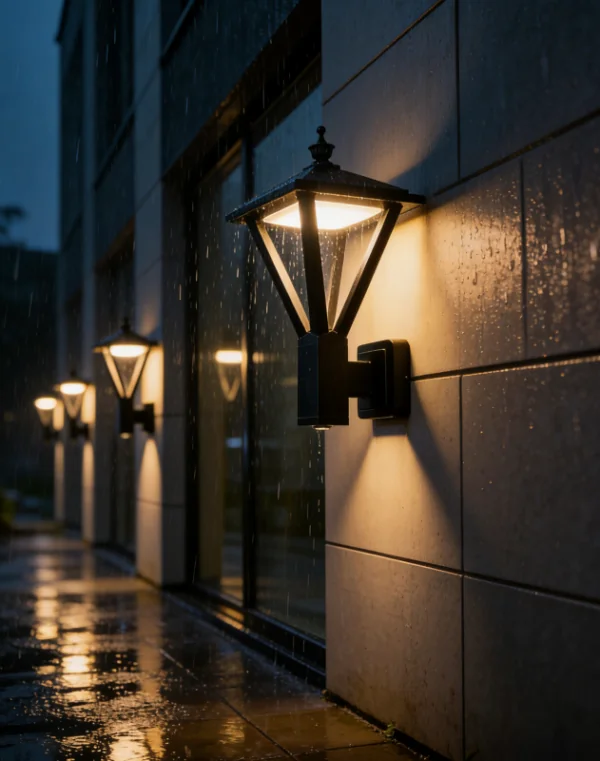
Vertical lighting works well on stone, brick, textured plaster, and decorative wall panels. When light travels upward or downward across a rough surface, small projections create visible shadows. These shadows help the wall look more dimensional without adding physical decoration.
The distance between the fixture and the wall matters. A fixture placed very close to the surface can create sharper shadows. Slightly wider spacing softens the effect and spreads light across a larger area. Project teams should test both approaches before confirming the installation layout.
An outdoor wall lamp can also be used beside columns, entrances, and narrow façade sections. In these positions, it can highlight the vertical structure of the building while keeping the lighting pattern organized.
Create Contrast Between Bright and Dark Zones
Texture does not depend only on brightness. Contrast is equally important. If every section of a wall receives the same light level, the surface may appear visually flat. Alternating brighter and darker areas can make architectural details easier to notice.
This method is useful for façades with recesses, frames, pillars, and layered wall sections. Designers can place fixtures around selected features instead of illuminating the whole façade evenly. The dark areas then become part of the composition rather than empty spaces.
For modern outdoor wall lighting, spacing should be planned according to wall width and fixture output. Repeated fixtures can form a visual rhythm, while larger gaps can create stronger separation between architectural elements.
Mix Upward and Downward Illumination
Upward and downward light create different visual effects. Upward light can emphasize height and roof lines. Downward light can define entrances, pathways, and lower wall textures. Using both directions on one façade can create a more complete nighttime composition.
This does not mean every fixture needs a dual-beam structure. Project teams can combine different fixture positions to produce the same layered result. The choice depends on wall shape, mounting height, and the type of texture that needs to be highlighted.
At Keyida, we focus on modern-style small outdoor fixtures for B2B projects and retail channels. Our product development includes private-mold designs, OEM and ODM support, and configurations for different market needs. These options can help buyers plan coordinated fixture families for repeated façade applications.
Use Fixture Shape as Part of the Architecture
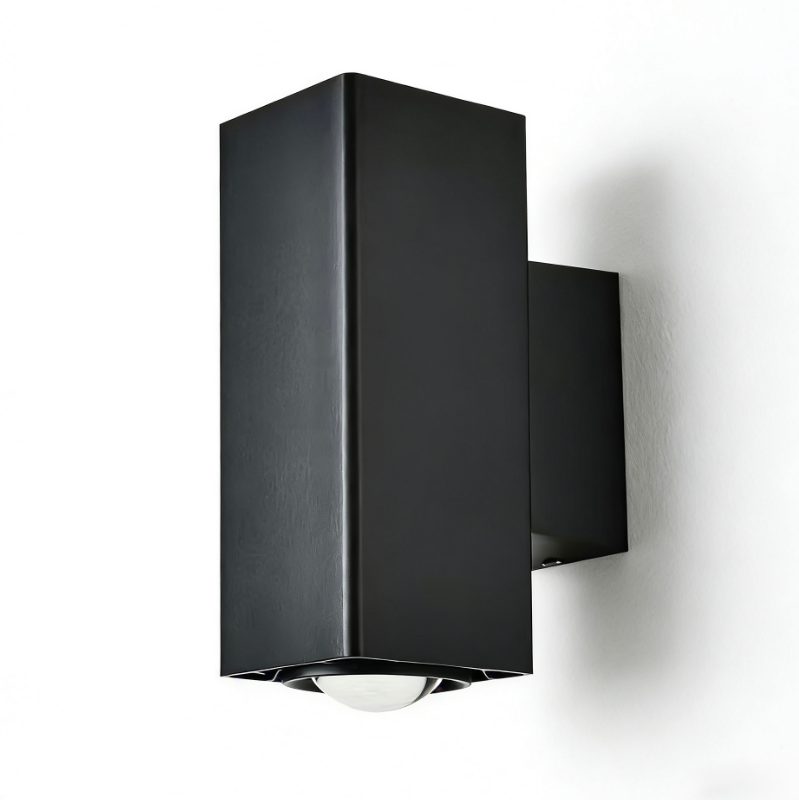
The fixture itself also contributes to architectural texture. Cylindrical, rectangular, and compact geometric forms can either blend into the wall or become visible design elements. This is especially relevant for modern buildings with simple façades and limited decorative details.
Product A0541 offers one example of this approach. It uses a die-cast aluminum housing with a glass lampshade. The fixture is rated IP54 and measures Ø145 × H265 mm. Its light source is 1*E27, which allows a replaceable lamp solution instead of a fixed integrated LED source.
This type of structure can be useful when buyers want flexibility in lamp replacement or light-source selection. For an outdoor wall lamp used in commercial or project settings, replaceable E27 configurations can also simplify maintenance planning across repeated installations.
Coordinate Light Color With Wall Materials
Color temperature can change how surface materials appear. Warmer light can bring out brown, beige, and natural stone tones. Cooler light can make gray concrete, metal, and modern façades look cleaner and more defined. The choice should match both the building material and the surrounding lighting environment.
RGB or adjustable CCT functions may also be useful in projects that need flexible visual themes. However, decorative color effects should support the architecture rather than distract from it. For permanent commercial façades, consistent color planning usually creates a more controlled result.
When selecting modern outdoor wall lighting, buyers should also consider the stability of LED chips, drivers, replaceable components, waterproof performance, and finish quality. Surface preparation before painting can affect coating durability, while housing material influences long-term outdoor use.
Build a Consistent Lighting Language
Layered façade lighting works better when different fixtures still feel connected. Similar shapes, finishes, proportions, and color temperatures can create a consistent design language across entrances, garden walls, corridors, and exterior elevations.
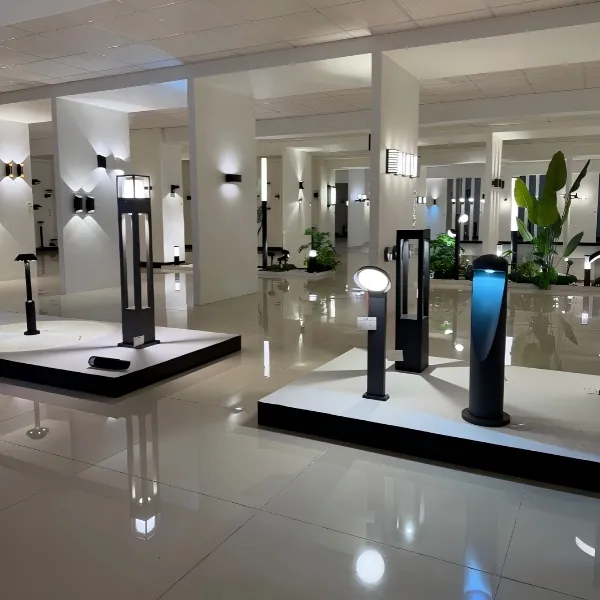
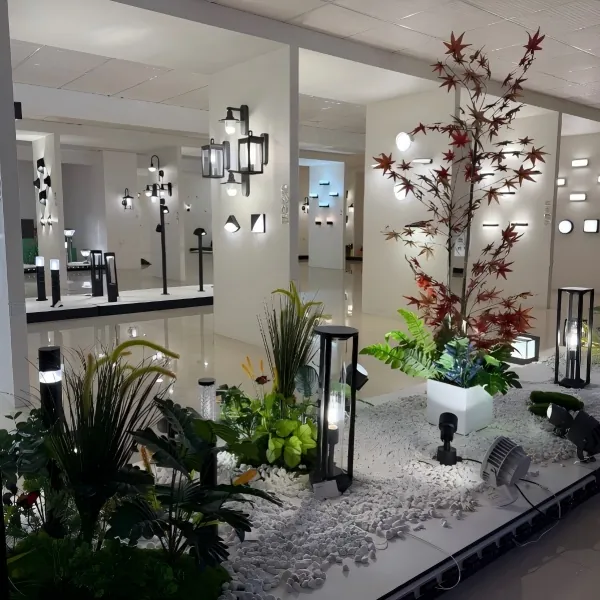
Our company operates a 7,000 m² production workshop and a 1,100 m² showroom. Keyida develops new products every quarter, with many private-mold designs for differentiated B2B selection. We also support CE, RoHS, and SAA requirements for different export markets, along with product drawings, images, and instructions for project communication.
The five methods above—vertical emphasis, contrast, directional layering, fixture integration, and color coordination—can help designers and buyers create more visible architectural texture at night. Careful placement often matters as much as fixture choice. When these elements are planned together, exterior lighting can support both the building structure and practical project needs.