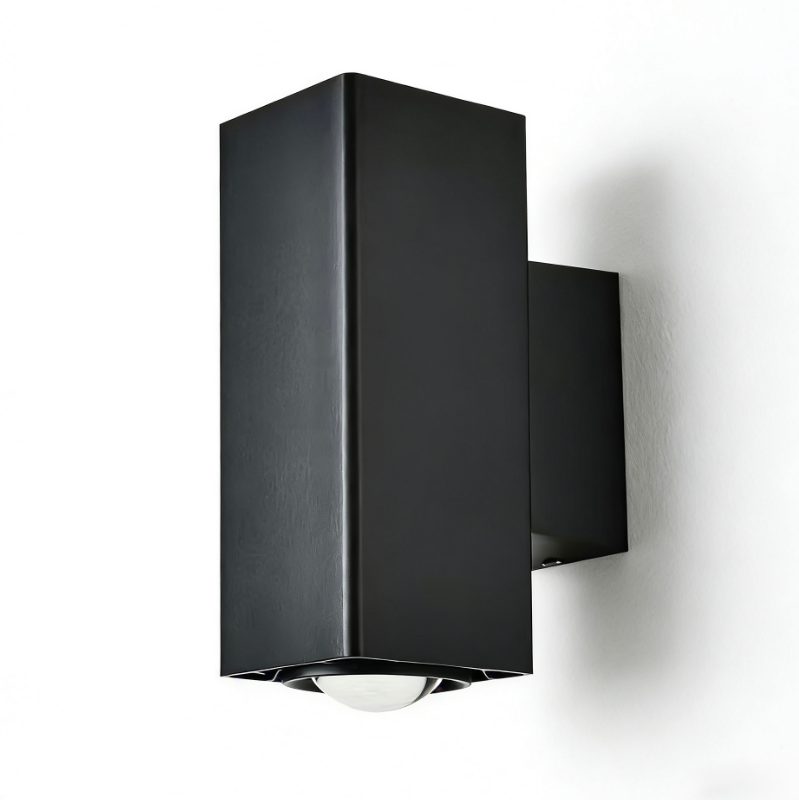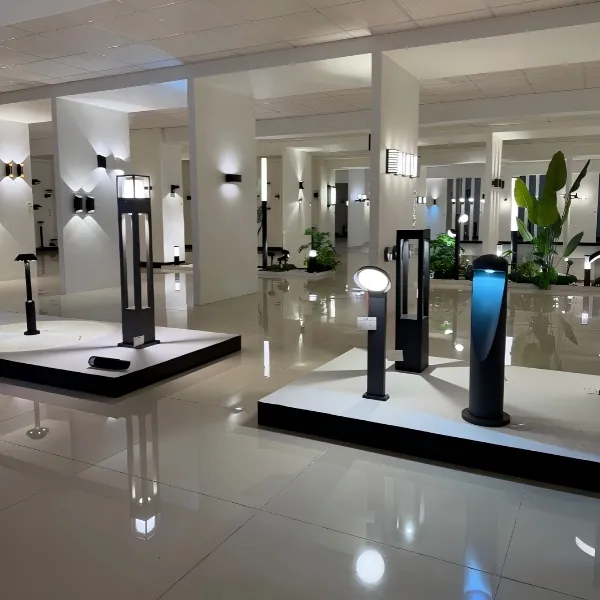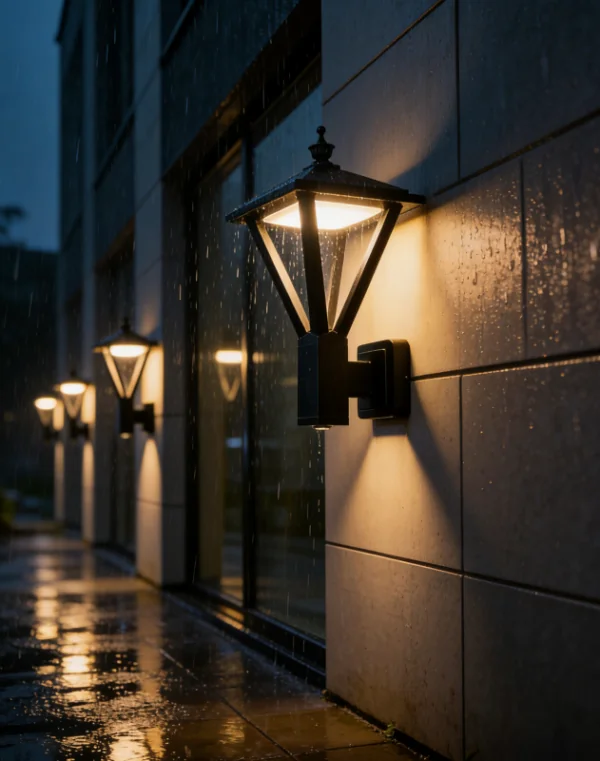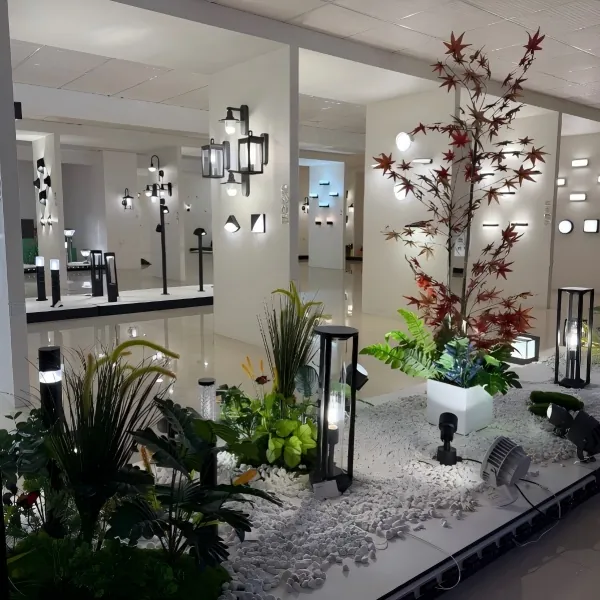
Outdoor spaces can become harder to navigate after sunset, especially where paths, planting areas, steps, and boundaries are not clearly visible. Lighting at ground level can help people recognize these spaces earlier and move through them with greater confidence. For commercial landscape projects, outdoor stake lights can also support a clearer lighting layout without taking attention away from the surrounding architecture.
Nighttime safety depends on more than brightness alone. Placement, beam direction, fixture height, glare control, and environmental suitability all affect how outdoor lighting performs. When these factors are considered together, landscape lighting can guide movement while keeping gardens, walkways, and building surroundings visually organized.
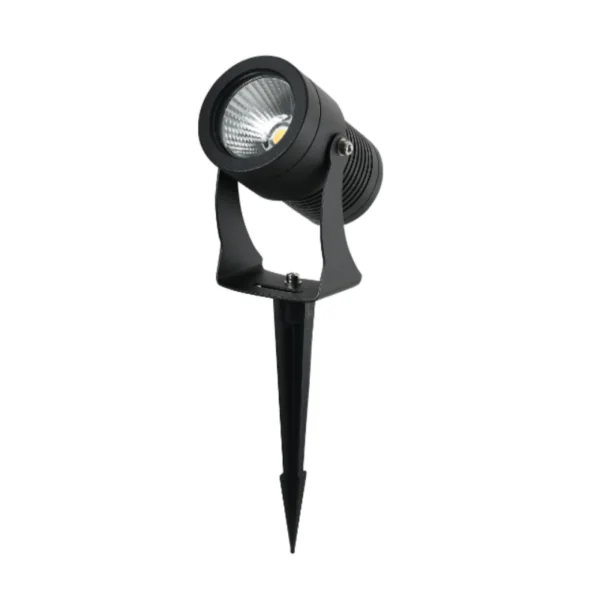
- Path Edges Become Easier to Recognize
Walkways often pass through planting beds, lawn edges, courtyards, or other areas where surface boundaries become less visible at night. Low-positioned fixtures can define these routes by adding light near the ground. This helps users distinguish the walking area from nearby soil, grass, or decorative landscaping.
Spacing also matters. Fixtures placed too far apart can create dark sections between illuminated areas. Very dense placement may produce unnecessary brightness. Designers usually need to consider the width of the path, surrounding plants, fixture output, and expected pedestrian movement before deciding how many lights should be installed.
For retailers and project buyers, garden spike lights offer flexibility because their position can often be planned according to landscape layouts. They are useful where lighting needs to follow curved paths, planted borders, or changing garden structures rather than fixed architectural mounting points.
- Changes in Ground Level Are More Visible
Steps, small slopes, raised planters, and transitions between paving materials can become difficult to notice in low light. Well-directed landscape lighting can make these changes easier to identify before a person reaches them.
Light should reveal the shape of the area instead of creating strong glare. Fixtures directed toward the ground can help show changes in texture and height. This approach is especially useful around hotel gardens, commercial entrances, residential developments, and outdoor public areas where people may be unfamiliar with the route.
At Keyida, we focus on modern small outdoor lighting products for landscape and architectural applications. Our product development considers both appearance and practical installation needs, which allows us to support lighting stores, building-material retailers, and project customers with different outdoor lighting requirements.
- Landscape Boundaries Can Guide Movement
Not every navigation route needs signs or continuous overhead lighting. In many gardens, boundaries formed by shrubs, walls, trees, or planting beds already influence how people move. Lighting can make these natural divisions more visible at night.
For example, outdoor stake lights can be positioned near planting zones to show where pedestrian areas end. This can reduce accidental entry into flower beds or landscaped sections. It also helps visitors understand where they should walk without covering the whole space with intense light.
Beam direction should still be planned carefully. Lighting directly into eye level can reduce comfort and make surrounding areas harder to see. A more controlled angle can illuminate plants, surfaces, or boundary elements while keeping the visual environment balanced.
- Fixture Design Can Support Outdoor Reliability
Outdoor safety lighting depends on stable operation in changing environmental conditions. Rain, dust, temperature changes, and long operating periods can influence fixture performance. Material selection, housing structure, lampshade design, and electrical components therefore need attention during product selection.
One example from our range is the E0337 outdoor light. It uses a die-casting aluminum housing with a glass lampshade and has an IP54 rating. The fixture uses an Epistar COB 5W LED chip with a KEDA Driver and supports an input voltage of 85–265V AC at 50/60Hz.
Its dimensions are Ø84 × L100 × H275 mm, and the product carries a three-year warranty. These specifications allow buyers to evaluate whether the fixture suits their intended installation environment instead of choosing mainly by appearance.
For landscape projects, garden spike lights should be reviewed as part of the whole lighting plan. Housing construction, water protection, electrical configuration, installation position, and maintenance access can all affect long-term use.
- Balanced Lighting Improves Orientation Without Overlighting
More light does not automatically create a safer outdoor space. Excessive brightness can create glare, strong contrast, and uncomfortable viewing conditions. Navigation lighting works more effectively when users can see both the illuminated route and the surrounding environment.
Designers can combine lower-level landscape lighting with wall-mounted or architectural lighting when a site requires several lighting layers. Different fixtures can then serve separate purposes, such as defining paths, showing entrances, highlighting planting areas, or improving visibility around building edges.
For B2B buyers, this also means product selection should consider how different fixture types work together. Appearance is important, but lighting direction, installation flexibility, electrical structure, maintenance, and visual consistency are equally relevant when planning a complete outdoor lighting range.
A More Practical Approach to Nighttime Outdoor Lighting
Nighttime navigation can be improved by making routes, level changes, landscape boundaries, and surrounding features easier to understand. Suitable fixture placement also helps reduce dark gaps and unnecessary glare, creating a more practical environment for pedestrians.
At Keyida, we combine outdoor lighting design, production, and sales for B2B customers. When developing project or retail product selections, we believe lighting should support both visual design and real nighttime use. Careful planning allows landscape lighting to guide movement naturally while fitting the character of the surrounding space.