Exterior lighting has become part of architectural design rather than a simple nighttime function. The finish of a wall light changes how it works with doors, stone, concrete, metal frames, and exterior paint. For contemporary homes, choosing an LED outdoor wall sconce therefore involves more than checking light output. Surface finish also affects visual balance, maintenance needs, and how naturally the fixture fits the building.
Modern projects often use simple lines and restrained colors. This makes the finish of an LED wall sconce outdoor especially important. Five finishes are commonly worth considering: matte black, dark gray, white, metallic tones, and textured finishes. Each creates a different effect and suits different exterior materials.
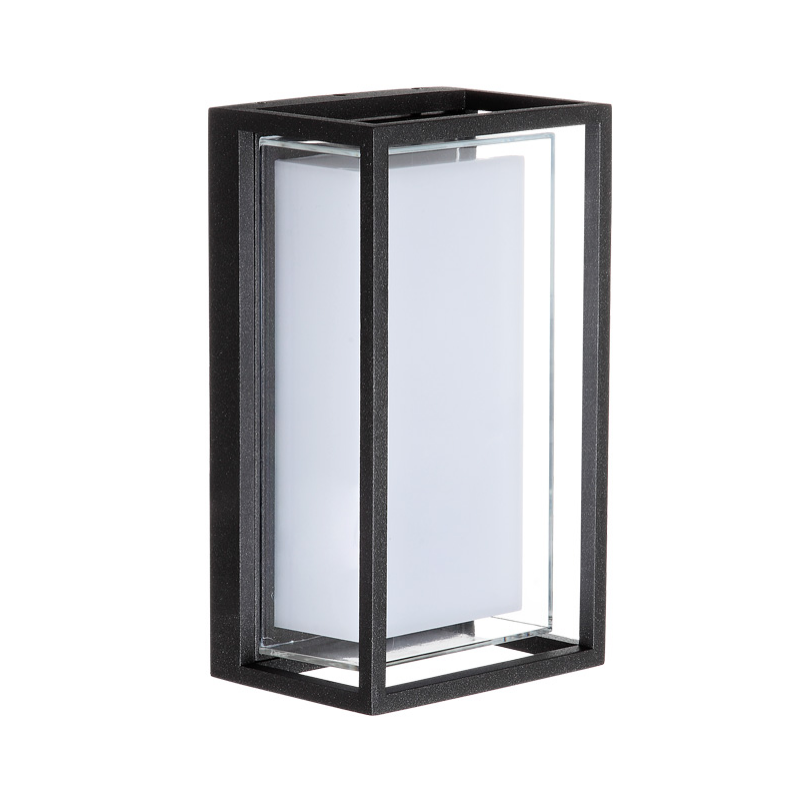
Matte Black for Strong Architectural Contrast
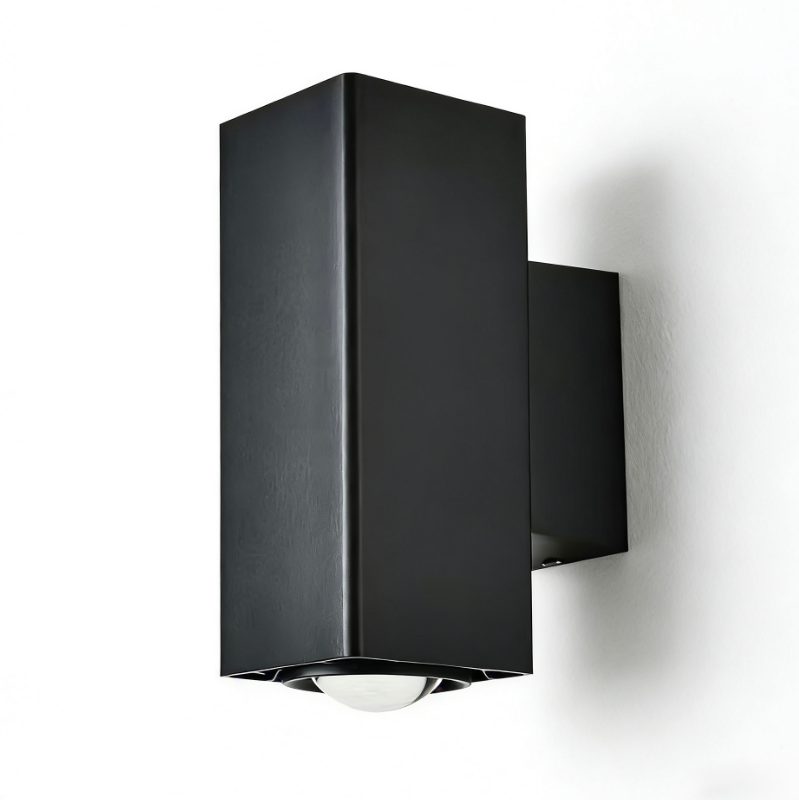
Matte black works well with contemporary architecture because it creates a clean outline against lighter walls. White render, pale stone, concrete, and wood can all create a clear contrast with a black outdoor fixture.
The low-reflection surface also supports minimalist design. It does not draw attention through shine. Instead, the shape of the fixture becomes more visible. This can be useful for wall lights with geometric forms or simple rectangular structures.
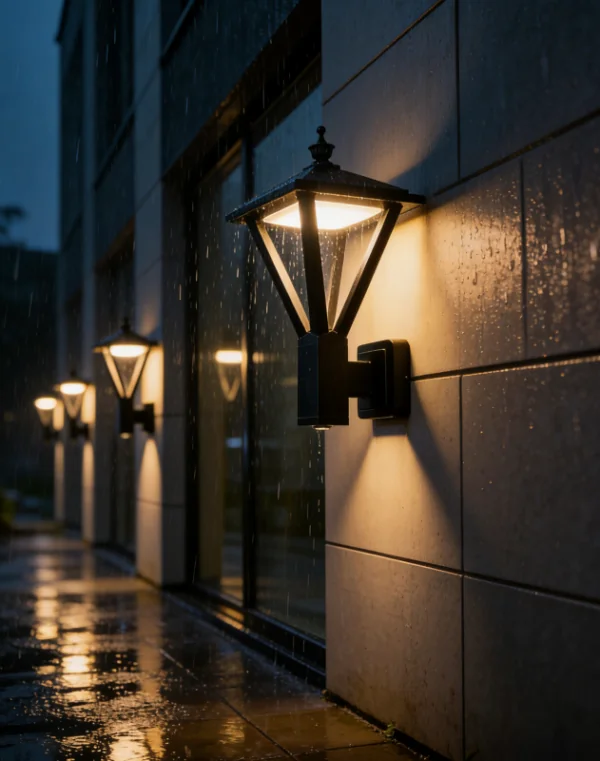
For lighting retailers and building material stores, black is also a practical project color. It can fit several architectural styles without requiring highly decorative detailing. Buyers should still review coating quality because outdoor fixtures face rain, sunlight, and changing temperatures.
At Keyida, black is one of the main colors used for modern outdoor lighting projects. Surface preparation is important before coating because proper polishing and finishing help create a smoother appearance and more consistent texture.
Dark Gray for a Softer Modern Look
Dark gray provides a similar contemporary character but creates less contrast than black. It works particularly well with cement walls, gray stone, metal cladding, and darker window frames.
Architects may choose gray when they want exterior lighting to become part of the facade rather than a strong visual feature. The fixture can blend into the surrounding structure while still keeping a modern appearance.
Gray also gives retailers another option for customers who find black too strong. When evaluating an LED outdoor wall sconce, buyers can compare the fixture color with common facade materials in their target market.
Surface texture also matters. Smooth gray feels more refined, while slightly textured gray can create a more architectural appearance. Product selection should therefore consider both color and finish rather than color alone.
White for Clean and Light Exterior Spaces
White outdoor wall lights can work well on modern villas, terraces, balconies, and entrance areas where the design uses bright surfaces. The fixture can blend into white or cream walls and keep the facade visually simple.
This finish is especially useful when designers do not want the lighting hardware to dominate the wall. It supports a lighter visual language and can make compact fixtures appear less heavy.
However, white surfaces may show dust, stains, or weather marks more easily than darker colors. For this reason, coating quality and routine maintenance deserve attention during product selection.
For B2B buyers, white can be useful as part of a broader product range. Stores may combine black, gray, and white models so customers can match different architectural themes without changing the basic lighting style.
Metallic Finishes for More Decorative Details
Metallic finishes can add a warmer or more decorative character to modern outdoor spaces. Depending on the design, brushed metal tones can work with stone walls, wood details, entrance doors, or decorative exterior panels.
The key is restraint. Contemporary homes usually benefit from metallic finishes that are not overly reflective. Brushed or muted surfaces can create visual interest without making the fixture look too ornamental.
Retailers should also consider how the finish interacts with the fixture material. Die-cast aluminum is commonly used for outdoor wall lights because it supports stable structures and different surface treatments.
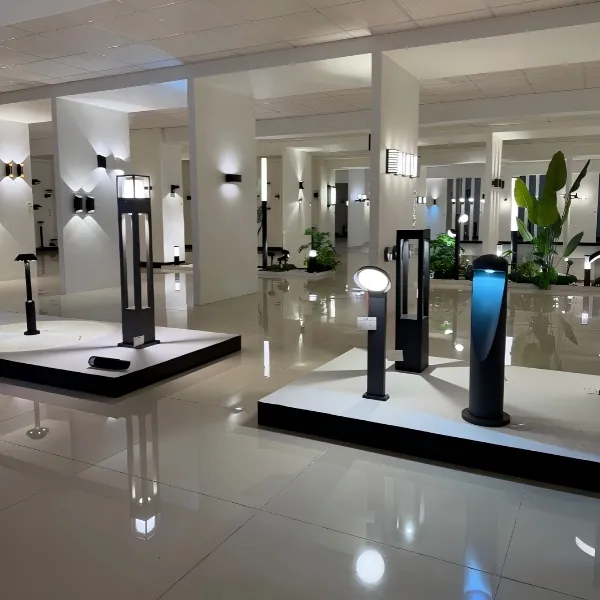
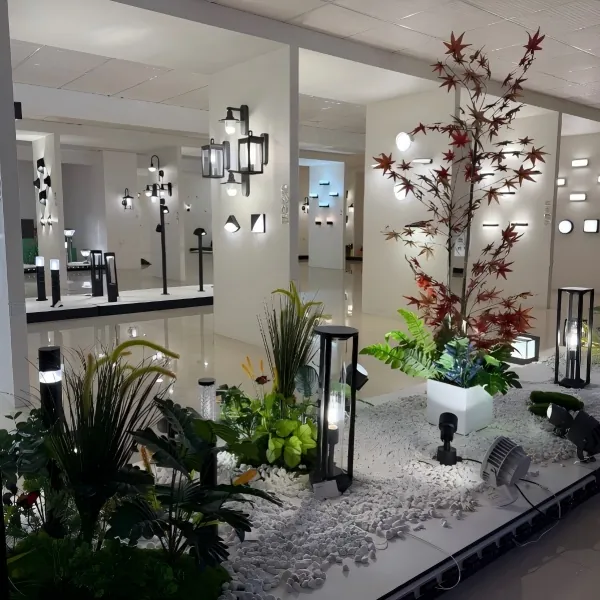
Material, coating, and structure should be reviewed together. A finish may look attractive in a showroom, but outdoor performance still depends on the housing, lampshade, sealing, and surface treatment.
Textured Finishes for Added Surface Depth
Textured finishes introduce subtle depth to a simple fixture. They can work well on modern walls where flat surfaces dominate the architecture.
The texture can also reduce the visibility of minor fingerprints or small surface marks. This may be useful for display samples in lighting stores or building material showrooms.
Texture should not be too heavy, however. Large decorative patterns can conflict with the clean geometry usually associated with contemporary homes. Fine textures are generally easier to combine with modern exterior materials.
This type of finish can also support customized projects. OEM and ODM buyers may request specific colors or surface effects to match their own product collections or regional market preferences.
How Finish Works with Fixture Construction
Surface appearance is only one part of outdoor lighting selection. Housing material, light source, driver, waterproof structure, and maintenance options should also be reviewed.
The G0936 is one example from our modern outdoor lighting range. It uses a die-cast aluminum housing with a PC lampshade. The fixture measures L240 × W139 × H98 mm and has an IP65 rating.
Its Epistar SMD LED chip is rated at 12W, while the KEDA driver supports 85–265V AC at 50/60Hz. These specifications give B2B buyers a practical reference for evaluating the fixture’s appearance and internal components together.
The polished housing is prepared before surface finishing, which helps improve the overall texture of the fixture. The product carries a three-year warranty and is designed for exterior wall applications.
For buyers comparing an LED wall sconce outdoor, these specifications should be reviewed together with color and finish. Attractive surfaces matter, but long-term project planning also depends on the light source, driver, housing, and after-sales arrangements.
Finish Selection Should Follow the Building
There is no single finish that suits every contemporary home. Matte black creates strong contrast, while gray produces a softer architectural effect. White can blend into light walls. Metallic tones add controlled decoration, and textured finishes give simple forms more depth.
We recommend evaluating exterior materials before selecting the fixture finish. Wall color, door frames, landscape elements, and nearby hardware can all influence the final result.
At Keyida, we develop modern compact outdoor lighting with different surface and functional options for B2B projects. OEM and ODM support also allows buyers to adapt colors and product details for their own ranges.
A well-selected LED outdoor wall sconce should therefore be judged as part of the whole facade. When finish, structure, light source, and installation environment work together, the fixture can support a more coherent contemporary exterior.