Outdoor wall lighting is exposed to rain, dust, cleaning water, and changing weather. For buyers, the IP code is more than a technical label. It explains how a fixture is protected against solid particles and water. When comparing waterproof outdoor wall lights, understanding both digits makes product selection clearer.
IP44 and IP65 do not describe the same protection level. The first digit concerns solid objects and dust. The second digit concerns water. For wall lights installed in exposed areas, the second digit can influence where the product can be used and how much water exposure it can handle.

What the Two Digits in an IP Rating Mean
The IP code uses two numbers after “IP.” The first number describes protection against solid objects. A rating of 4 indicates protection against solid objects 1.0 mm in diameter and larger. A rating of 6 indicates a dust-tight enclosure under the relevant test conditions.
The second number describes resistance to water. Buyers should examine this carefully when comparing fixtures for balconies, gardens, entrances, and exterior walls. The difference between IP44 and IP65 is therefore not only about dust.
With IP44, the second digit “4” indicates protection against splashing water from different directions. This may suit partly sheltered areas where the fixture is not regularly exposed to stronger water jets.
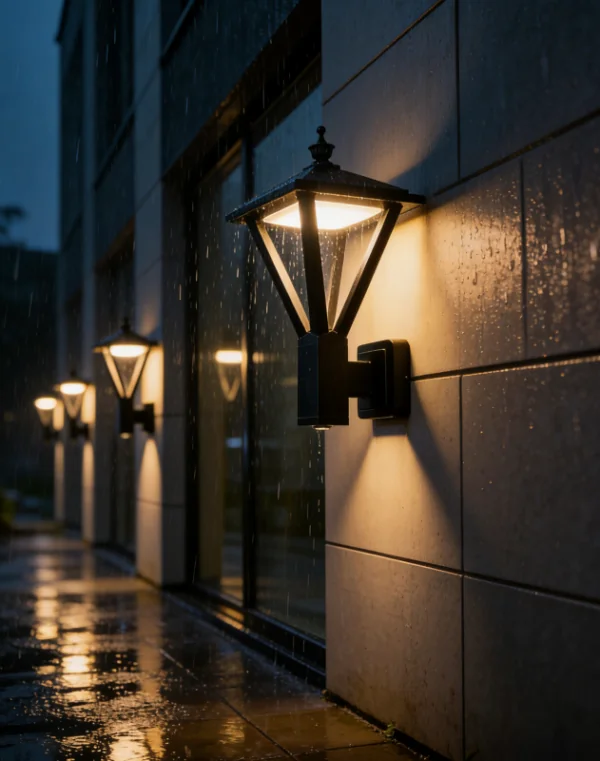
With IP65, the second digit “5” indicates protection against water jets. An IP65 outdoor wall lamp is therefore more suitable for exposed walls, garden paths, gate areas, and similar locations where rainfall or cleaning water may reach the fixture directly.
Why the Second Digit Matters in Real Projects
Outdoor installation conditions vary. A covered porch and an open garden wall do not face the same water exposure. Buyers should match the IP rating to the installation position instead of choosing by appearance alone.
The second digit helps project teams judge how the enclosure handles water. For exposed outdoor walls, stronger water resistance can reduce the chance of moisture reaching internal parts during rain or routine cleaning.
Retailers and project buyers should also consider how the product will be explained to customers. Clear IP information makes comparison easier and helps sales teams show why two similar-looking wall lights may suit different environments.
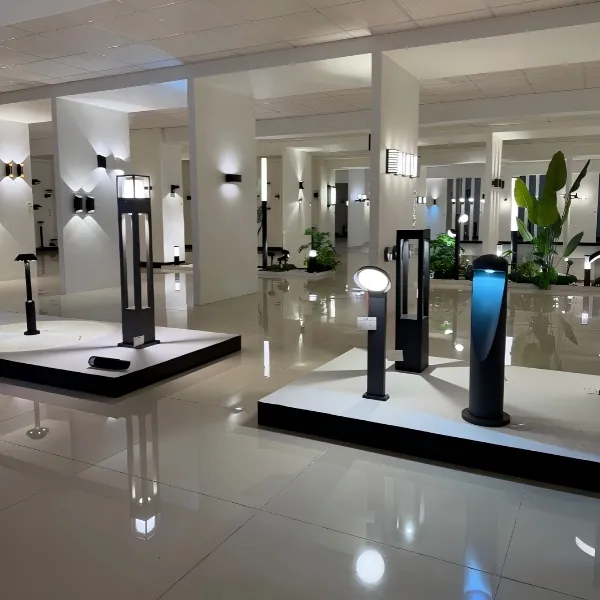
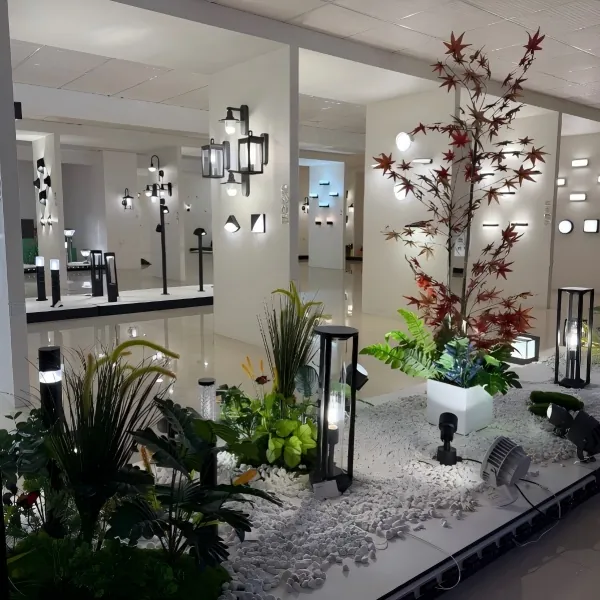
At Keyida, we focus on modern small outdoor lighting for B2B customers. Our product development considers outdoor conditions, replaceable components, and different project needs. This gives distributors and lighting retailers more options when selecting fixtures.
How Material and Structure Support Outdoor Use
An IP rating is important, but enclosure design also matters. Housing material, shade material, sealing structure, surface treatment, and internal component placement all influence outdoor performance.
Die-cast aluminum is commonly used for outdoor housings because it provides a stable structure and supports different designs. PC lampshades are also widely used because they are lightweight and suitable for many outdoor lighting applications.
Surface preparation should not be ignored. Careful grinding before painting can improve the finish and help the coating form a more consistent surface. For outdoor products, this supports appearance quality under changing weather conditions.
When evaluating waterproof outdoor wall lights, buyers should review the full structure rather than the IP code alone. The enclosure, lampshade, electrical components, sealing details, and installation method should match the intended environment.
Product Example for Wet Outdoor Conditions
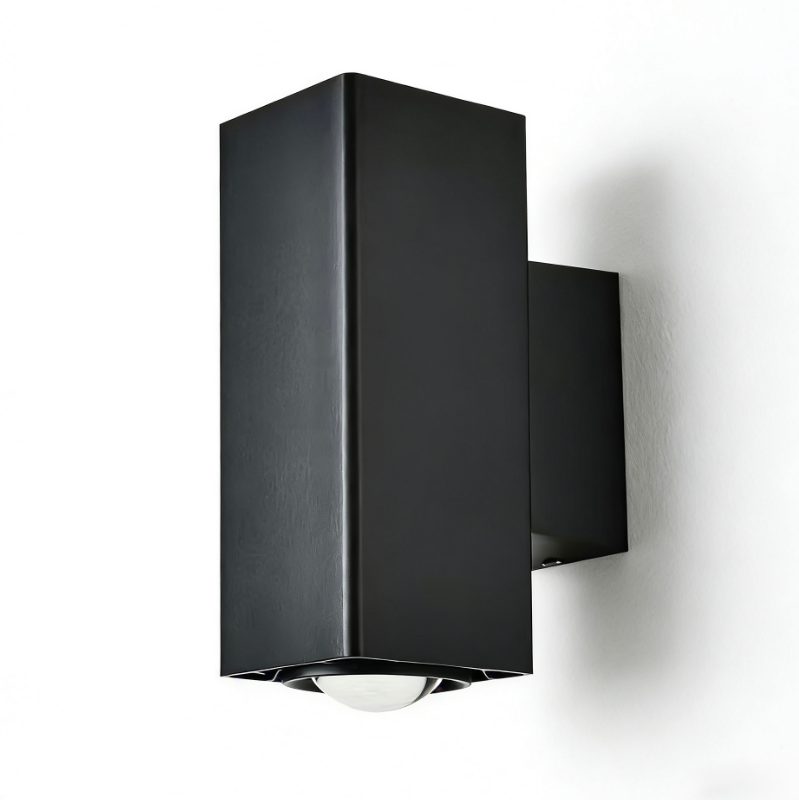
A practical example is the G1185. This model is rated IP65 and uses a die-casting aluminum housing with a PC lampshade. Its size is L200 × H390 mm, which suits wall-mounted outdoor applications where a taller fixture shape is preferred.
The light uses an Epistar SMD 12W LED chip with a KEDA driver. Its input voltage is 85–265V AC at 50/60Hz. These details help distributors and project buyers review electrical compatibility before installation or regional sales.
The fixture is designed for wet outdoor conditions and comes with a three-year warranty. We also provide after-sales support. For B2B customers, clear product specifications can make comparison and project documentation easier.
Through OEM and ODM service, Keyida can also support product development, color customization, and technical materials. Our wider outdoor lighting range includes modern designs and private-mold products for different market requirements.
Choosing the Right Rating for the Installation
The correct IP level depends on where the light will be installed. Sheltered walls may face occasional splashing, while exposed garden walls can receive direct rain and cleaning water. Buyers should review the site before setting the protection requirement.
An IP65 outdoor wall lamp can be a practical choice when the fixture needs stronger resistance to water jets and dust. Proper installation, wiring, and maintenance still matter because the IP code does not replace correct project planning.
For distributors, lighting shops, and building-material retailers, explaining this difference can support clearer product positioning. Customers can understand why some fixtures suit sheltered areas while others are intended for more exposed locations.
A More Practical Way to Read IP Ratings
The second digit in an IP code deserves close attention because it directly describes water resistance. IP44 protects against splashing water, while IP65 provides protection against water jets and also offers stronger dust protection through its first digit.
For buyers comparing waterproof outdoor wall lights, the better approach is to read the rating together with the installation environment, housing materials, electrical specifications, and maintenance needs. This makes selection clearer and helps project teams choose a fixture that fits real outdoor conditions.