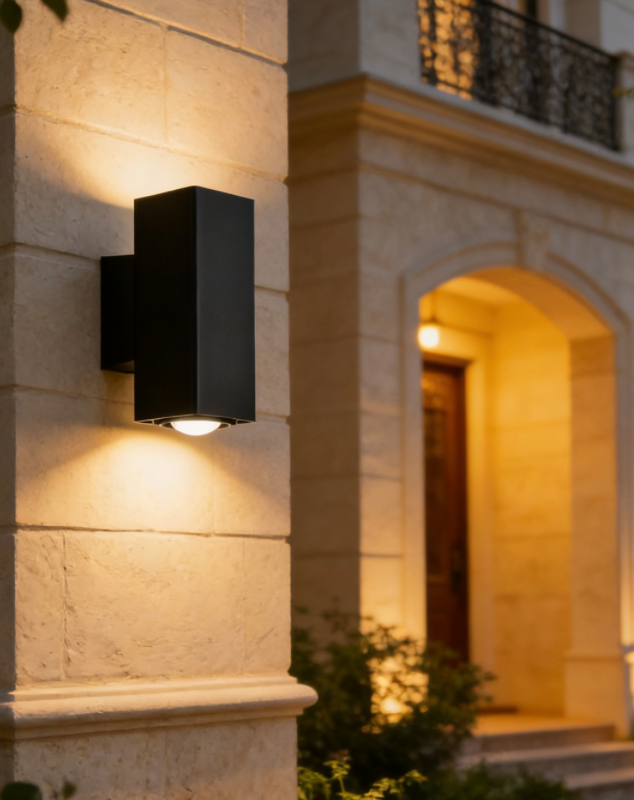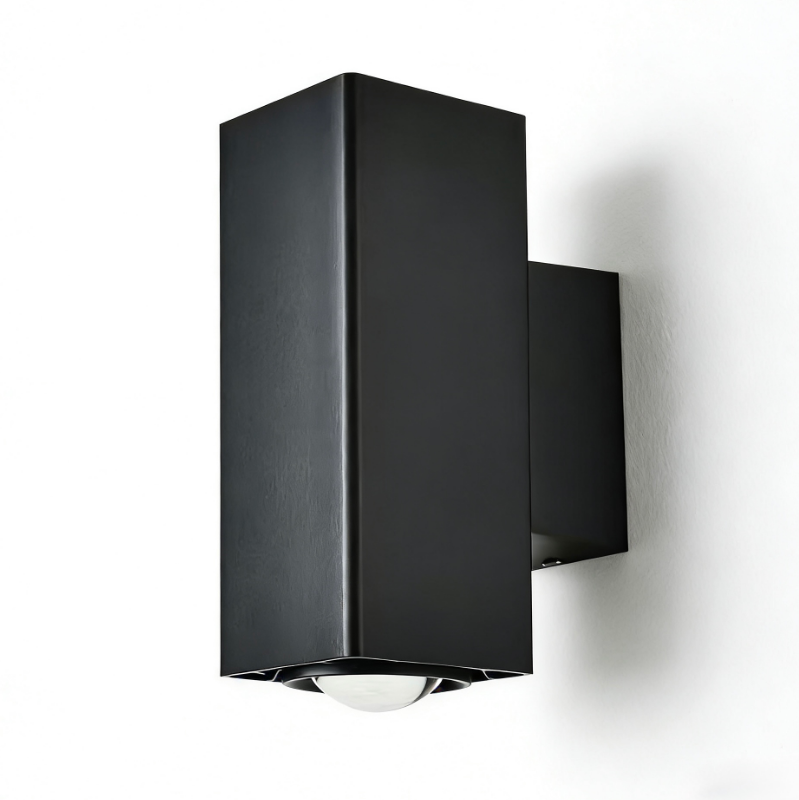
An outdoor wall lamp can improve a façade at night, yet visible cables may weaken the clean appearance that the lighting plan was designed to create. This issue often appears in hotel entrances, apartment corridors, retail façades, and villa courtyards. For B2B buyers, hiding wiring is not only a visual task. It also involves access, maintenance, wall conditions, and coordination with other trades.
A neat result begins before the fixture arrives on site. The lighting position, cable route, junction point, and finish should be considered as one small system. When a designer maps these elements early, the installer has fewer decisions to make during fitting, and the owner receives a wall elevation that looks intentional from both daytime and nighttime viewpoints.
Read the Wall Before Planning the Cable Route
Start with a survey of the façade. Record the wall material, joints, drainage paths, nearby windows, doors, signs, and areas that may need future access. A brick wall, rendered surface, and metal-clad elevation each present different ways to conceal or organize a cable. The route should respect the building rather than cut across its most visible lines.
Review the installation from normal approach distances. A cable that seems minor beside a service door may become prominent beside a main entrance. Look from the driveway, pedestrian path, and adjacent rooms. These views help the project team decide whether the wire should pass behind the fixture, follow an architectural joint, or enter from a less visible side.
Choose a Concealment Method That Fits the Project
There are several ways to reduce visible wiring. A surface channel can organize a cable along a controlled line. A recessed route can place it behind the finish when the wall build-up and schedule allow. A rear-entry arrangement can keep the connection close to the fixture body. The option depends on the façade and construction stage.
For a renovation, surface coordination may be practical because the wall finish is complete. The installer can align the route with a corner or architectural break, then select a quiet cover. For new construction, electrical teams can reserve an entry point before cladding or render is finished.
How Modern Outdoor Wall lamps Stay Visually Clean
The phrase modern outdoor wall lamps covers more than a particular silhouette. It also refers to how the fitting, cable, wall, and illuminated area work together. A compact fixture may suit a narrow corridor, while a more substantial form can support a broad entrance. In both cases, the cable route should reinforce the geometry instead of interrupting it.
Use the building’s rhythm as a guide. A cable can follow a façade joint or line beneath a ledge. Repeating the route across a row creates order. If each fitting receives a different path, the wall may look untidy.
Keep visual priorities in mind. The entrance, address sign, or architectural detail may deserve attention, while the cable should remain secondary. Review the fixture at night as well as in daylight. A wire that blends into a dark wall during the day may catch reflected light after sunset, especially near pale render or polished stone.
Coordinate Wiring with Product and Site Functions
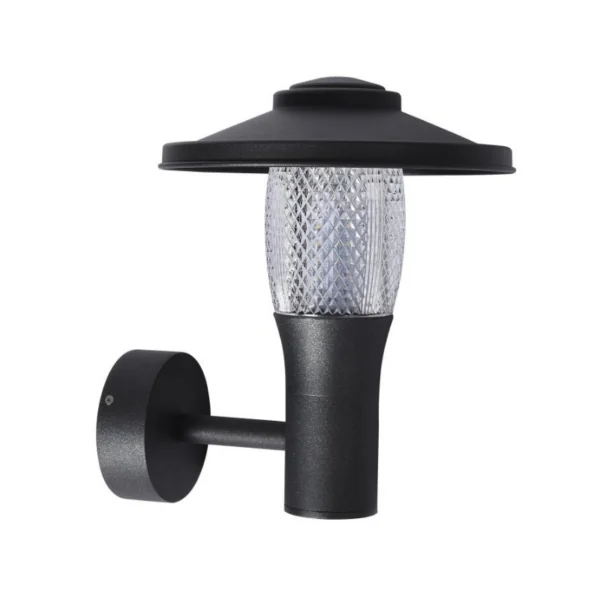
External wiring should support the product’s intended use. The Wall Lamp category is presented for building exteriors, hotel entrance walls, home façades, and areas where mounting space is limited. These settings have different access patterns. A hotel may need a discreet route around guest circulation, while a service façade may prioritize inspection.
The same page identifies an interchangeable lamp-head option and replaceable LED chips and drivers. For a property manager, these features make servicing part of the wiring discussion. Leave a way to reach the connection and fixture without damaging the wall finish. The hidden route should remain understandable to the maintenance team.
We offer an IP65 waterproof outdoor light for building façades. This specification belongs to the listed Wall Lamp application. It should not be transferred to another category without a matching reference. Keeping the cable entry and product claim tied to the approved page helps a distributor communicate accurately.
Build a Clear Installation and Approval Record
Before work begins, prepare a simple elevation drawing. Mark each fixture, entry point, route, junction location, and access area. Add photographs of the finished wall before installation where possible. This record lets the designer, contractor, and purchasing team review the same arrangement and reduces uncertainty when several trades share the façade.
During installation, compare the route with the approved drawing. Check that the cover follows the intended line and that the fixture sits at the planned orientation. If a site condition requires a change, record and photograph the new route. An update at handover helps when a light later needs inspection or replacement.
We provide product information such as 2D drawings, product images, and instruction documents to support project review and installation planning. Certification details should be confirmed for the relevant product and market, while Keyida states a three-year warranty on its website.These valuable resources support thorough quotation review and careful installation planning, giving B2B teams a solid common information base while specific site conditions guide the final wiring decision.
Match the Finish to the Façade and Brand Brief
Cable concealment is easier when fixture finish and wall palette are considered together. Black or gray may recede against a darker elevation, while a lighter façade may call for a coordinated route and cover.
A concealed route should not block future changes. Keep the path documented, allow access, and avoid covering connection points with finishes that are difficult to reopen. This protects a clean façade while giving the facility team a practical way to service the system.
At Keyida, we work with lighting retailers, building-material distributors, designers, and project owners who need modern outdoor wall lamps for real projects. We can review the façade, mounting conditions, cable-visibility concerns, custom colors, and OEM or ODM requirements before preparing a product discussion. A coordinated wiring plan helps the finished outdoor wall lamp look considered from installation day through future maintenance.