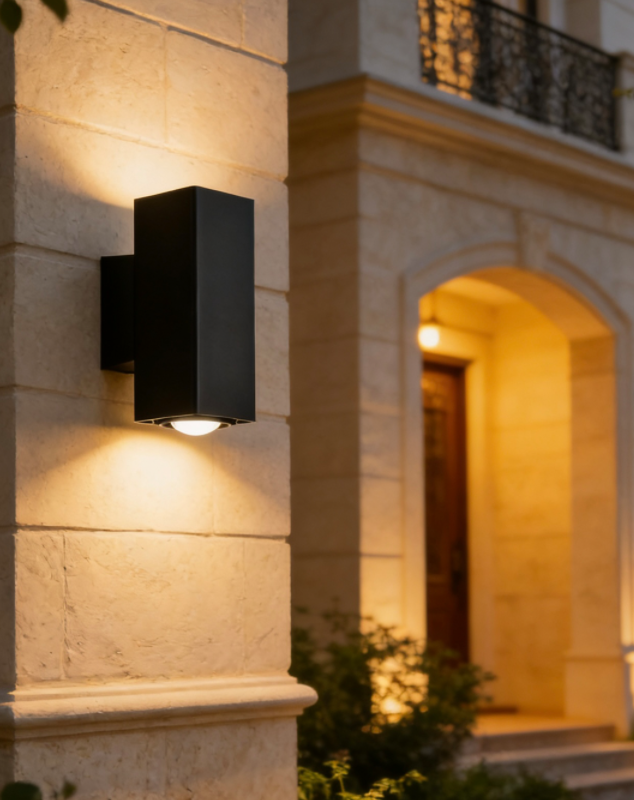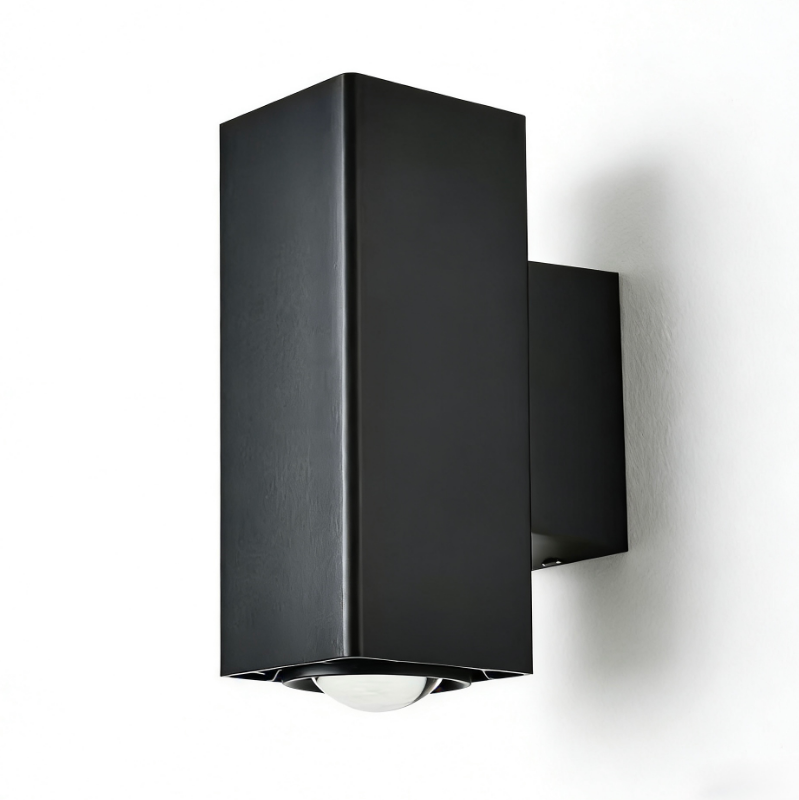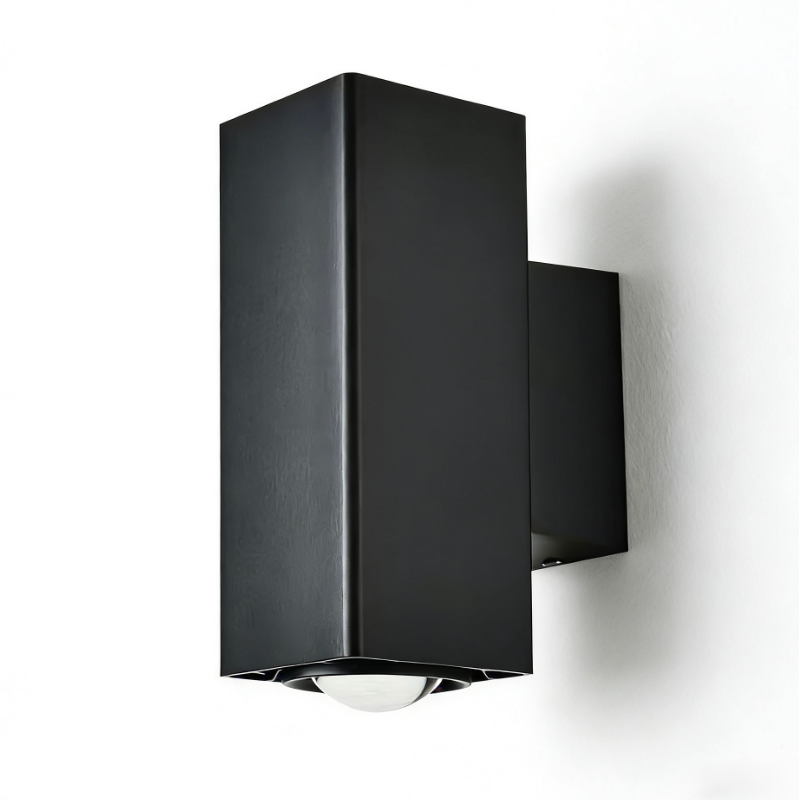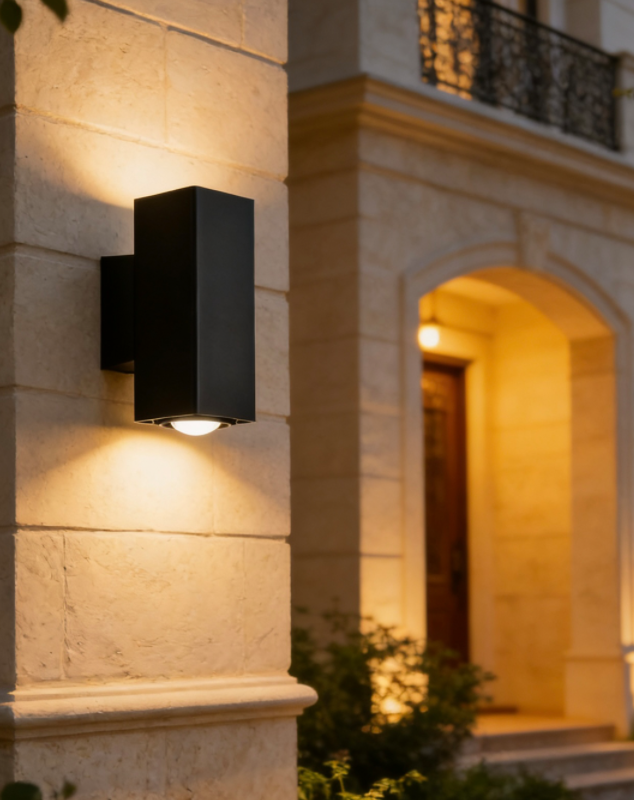
The spacing between pathway lights depends on factors such as fixture height, light distribution, brightness, pathway width, and the surrounding environment. There is no universal distance that works for every project, as different outdoor spaces require different layouts to achieve balanced illumination. Proper spacing should help create consistent visibility while avoiding excessive brightness, overlapping light, or dark areas.
The distance between pathway lights can determine whether an outdoor area feels comfortable, organized, and visually balanced. A well-planned lighting layout guides movement without creating excessive brightness or uneven dark areas. For distributors, contractors, and landscape professionals, understanding spacing principles helps create more effective lighting solutions for gardens, walkways, residential communities, and commercial landscapes.
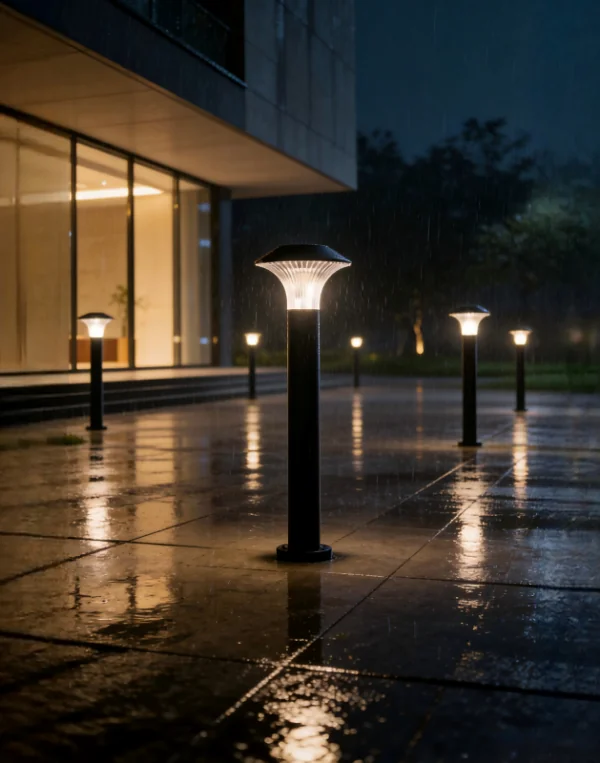
At Keyida, we develop outdoor lighting products that support different project requirements. Our lawn lamp solutions combine modern design, practical performance, and customization capabilities, helping partners provide suitable products for various outdoor environments.
Why Pathway Light Spacing Matters in Outdoor Design
Spacing is one of the most important factors when planning pathway lighting. Even if the selected fixture has excellent light output, incorrect placement can affect the final result.
Lights installed too far apart may leave gaps between illuminated areas, reducing visibility and weakening the overall design effect. On the other hand, placing fixtures too close together can create unnecessary brightness and increase installation costs.
For professional projects, the goal is to create consistent illumination while maintaining a natural appearance. This requires considering the pathway structure, fixture performance, and surrounding environment together.
Factors That Influence the Distance Between Pathway Lights
There is no fixed spacing measurement that works for every pathway. The ideal distance depends on several project conditions, including fixture height, brightness, beam distribution, installation location, and landscape design.
A narrow residential walkway may require a different arrangement compared with a wide commercial pathway. Areas surrounded by plants, walls, or architectural features may also need adjustments because these elements influence how light spreads.
When selecting products from bollard light manufacturers, project teams should evaluate lighting performance alongside installation flexibility. A suitable product range allows contractors to adjust spacing according to different application needs.
Understanding the Role of Fixture Height and Light Distribution
The height and structure of a pathway light directly affect how far illumination can reach. Taller fixtures may cover a wider area, while compact designs often create a more concentrated lighting effect.
Outdoor bollard lights are commonly selected for pathways because their vertical structure allows light to be positioned at a practical height. They can provide guidance lighting along walkways while maintaining a clean and organized appearance.
However, spacing should always match the optical design of the fixture. The goal is not simply to maximize coverage but to create a comfortable lighting pattern that supports both safety and visual appeal.
Planning Different Spacing Approaches for Various Applications
Pathway lighting layouts should be developed according to the purpose of the space. Residential gardens often require a softer atmosphere, where lights may be positioned to highlight landscape elements while providing enough visibility.
For commercial areas such as hotels, property developments, and public landscapes, lighting consistency becomes more important. A carefully planned arrangement helps create a professional appearance and improves the user experience.
We work with partners to provide outdoor lighting solutions suitable for different applications. Our product development focuses on combining modern aesthetics with practical functions, allowing customers to select solutions that match project goals.
How Product Design Supports Flexible Installation
A pathway lighting project depends not only on spacing decisions but also on product reliability. Fixtures need to maintain stable performance after installation and remain suitable for outdoor environments.
At Keyida, we design lawn lamp products using durable materials such as aluminum lamp bodies and PC or acrylic components. These materials support stable structures while allowing different modern outdoor styles.
Before surface finishing, lamp bodies are carefully processed to improve appearance and coating durability. We also focus on reliable LED chips and drivers to help maintain consistent lighting performance and reduce maintenance requirements.
Customization Options for Different Pathway Lighting Requirements
Outdoor projects often involve unique design expectations. Distributors, contractors, and developers may need specific fixture appearances, colors, or functions based on regional preferences and customer requirements.
At Keyida, we support OEM and ODM cooperation to help partners create customized outdoor lighting products. Our capabilities include appearance adjustments, color customization, and functional upgrades.
For projects requiring intelligent features, we can support options such as adjustable color temperature (CCT), RGB lighting, radar sensing, and PIR sensing. These functions provide additional flexibility for modern outdoor applications.
Supporting Global Partners with Outdoor Lighting Expertise
For businesses sourcing outdoor lighting products, supplier capability plays an important role in project success. Production stability, customization support, and product development experience help partners respond to different market demands.
At Keyida, we combine design, manufacturing, and sales support to serve international partners. Our 7000㎡ production workshop and 1100㎡ showroom provide support for product development and batch production.
We continue developing new designs, including private mold products, to help partners build differentiated product portfolios. Certifications including CE, RoHS, and SAA support customers serving different international markets.
Creating More Effective Pathway Lighting Designs
The spacing of pathway lights is ultimately a balance between illumination, landscape appearance, and user experience. A thoughtful layout helps ensure that each fixture contributes to a comfortable outdoor environment without unnecessary light overlap or dark areas.
At Keyida, we work closely with lighting partners to develop lawn lamp solutions that adapt to different project conditions. By combining design flexibility, reliable production, and customization support, we help distributors and project teams create pathway lighting systems that are both visually appealing and practical for long-term outdoor applications.