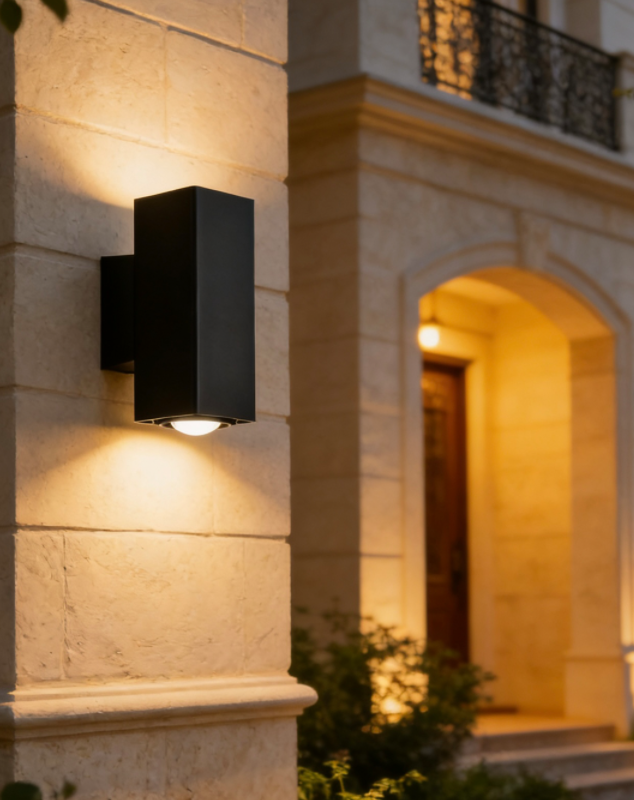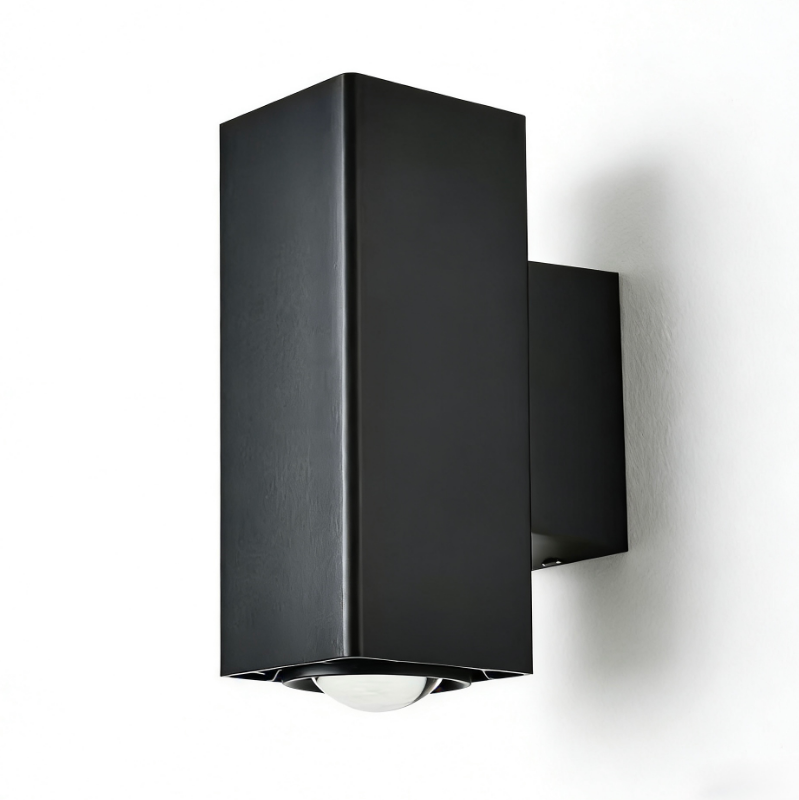
Pathway lights should provide enough illumination to ensure safe movement while maintaining a comfortable outdoor atmosphere. The appropriate brightness level depends on factors such as pathway size, installation spacing, mounting height, surrounding environment, and the desired lighting effect. Instead of simply choosing the highest light output, a balanced approach should consider how the light is distributed and how it interacts with the landscape.
A pathway that is too dark can make outdoor spaces feel unsafe, while excessive brightness may reduce comfort and affect the surrounding landscape atmosphere. Finding the right brightness level is not simply a technical decision; it requires understanding how people use the space, how the lighting interacts with the environment, and what visual effect the project aims to achieve.
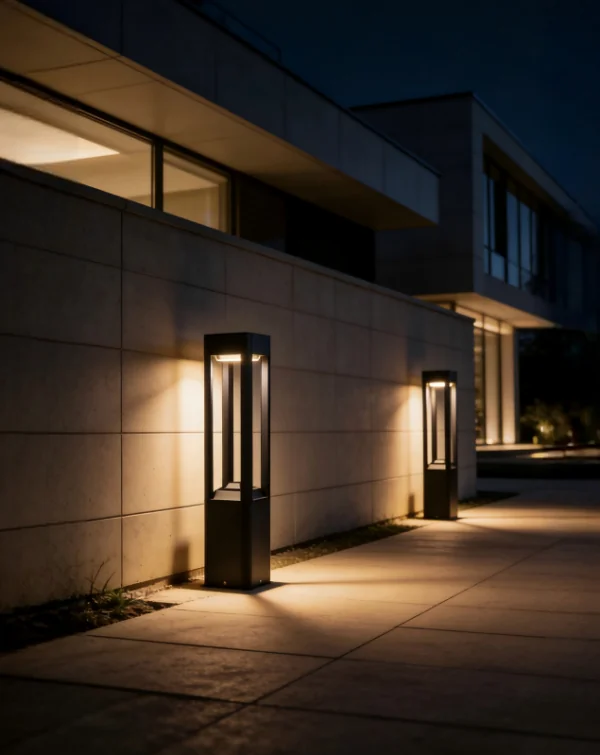
At Keyida, we work with distributors, contractors, and landscape project developers to create outdoor lighting solutions that balance functionality and design. By combining modern product development with flexible manufacturing support, we help partners provide suitable lighting options for different outdoor applications.
Why Pathway Light Brightness Requires Careful Planning
Pathway lighting has multiple purposes. It can guide pedestrians, improve visibility, highlight landscape features, and enhance the overall appearance of a property. Because of these different functions, the required brightness level varies from one project to another.
A residential garden pathway may need soft illumination to create a comfortable atmosphere, while a commercial property may require more consistent lighting for visitors. The surrounding environment, pathway size, and installation layout all influence the final lighting requirements.
For a professional pathway lighting company, recommending the right solution requires considering the entire project rather than focusing only on light output. A balanced design helps achieve both practical and aesthetic goals.
Key Factors That Determine the Right Pathway Lighting Brightness
The brightness needed for pathway lights depends on several project conditions. The width of the pathway is one important factor because wider areas may require more effective light coverage.
The surrounding environment also affects the lighting choice. Areas with natural barriers, dense plants, or uneven surfaces may require different lighting arrangements compared with open spaces. The distance between fixtures and the direction of light distribution also influence the final result.
In addition, project owners may have different expectations. Some prefer subtle landscape lighting that blends into the environment, while others require stronger illumination for frequently used areas.
Matching Light Output with Different Outdoor Applications
Different outdoor spaces require different lighting approaches. Residential gardens often focus on creating a relaxing atmosphere while providing enough visibility for movement. In contrast, commercial landscapes may prioritize consistent illumination and visual impact.
For pathways around hotels, residential communities, and public areas, lighting should support movement without creating uncomfortable glare. The fixture design and installation position are just as important as brightness itself.
At Keyida, we develop lawn lamp solutions that support various landscape applications. Our products are designed to combine decorative value with practical performance, helping partners meet different market requirements.
Why Bollard Lights Are Commonly Used for Pathways
Bollard lights are widely used in pathway applications because their vertical structure allows controlled illumination close to ground level. This design helps guide pedestrians while maintaining a clean and organized appearance in outdoor environments.
The effectiveness of bollard lighting depends on factors such as height, spacing, optical design, and installation position. Proper planning allows these fixtures to create comfortable lighting without unnecessary brightness.
For distributors and contractors, offering well-designed bollard lighting products provides flexibility across different project types, including gardens, walkways, commercial landscapes, and residential developments.
How Fixture Design Influences the Final Lighting Effect
Brightness alone does not determine whether a pathway lighting system performs well. The fixture structure, material selection, and light distribution technology all contribute to the final result.
At Keyida, we focus on product designs that combine reliable construction with modern appearance. Our outdoor lighting products commonly use aluminum lamp bodies with PC or acrylic components to support stable outdoor applications.
The lamp body is carefully processed before painting to improve surface quality and coating durability. We also pay attention to LED chips and drivers to support consistent performance and reduce maintenance requirements.
Customizing Pathway Lighting Solutions for Different Markets
Outdoor lighting projects often require adjustments based on regional preferences, architectural styles, and customer expectations. Distributors and project companies may need different colors, designs, or functions to serve specific markets.
We provide OEM and ODM cooperation to support partners developing customized outdoor lighting products. Our capabilities include appearance modifications, color options, and functional improvements based on project needs.
We can also support advanced features such as adjustable color temperature (CCT), RGB lighting, radar sensing, and PIR sensing. These options allow partners to create more flexible lighting solutions for modern outdoor environments.
What Lighting Partners Should Consider When Selecting a Supplier
For B2B customers, choosing an outdoor lighting supplier involves evaluating product quality, production capability, and long-term cooperation potential. Reliable supply and technical support are important factors for maintaining successful projects.
We continue developing new lighting designs, including private mold products, to help partners create differentiated product lines. Certifications including CE, RoHS, and SAA support customers serving different international markets.
Designing Pathways That Feel Natural and Functional
The ideal pathway lighting brightness is not about maximizing light output. It is about creating a comfortable environment where visibility, and landscape design work together.
At Keyida, we help distributors, contractors, and project developers create outdoor lighting solutions that meet practical requirements while supporting modern design expectations. Through flexible customization and reliable manufacturing capabilities, we support partners in delivering pathway lighting products that enhance outdoor spaces.