At dusk, two properties can offer different experiences even when their buildings and gardens are similar. One has a clear route from parking to entrance; the other leaves visitors guessing where to walk. The difference often comes from how outdoor lighting supports movement and presentation. For developers, hospitality groups, retailers, and landscape contractors, custom outdoor lighting deserves planning attention alongside paving and planting.
Lighting decisions also affect work behind the scenes. Fixtures influence how staff inspect paths, how guests use terraces, and how a property appears in evening photographs. A useful plan balances visual hierarchy with maintenance. The comparison below shows how performance-LED lighting differs from a decorative approach on commercial sites.
Appearance Is Only One Measure of Performance
Decorative lighting often begins with a fixture that looks attractive in a showroom. Performance-LED planning begins with the property’s route, activities, and viewing angles. Both can produce a pleasant scene, but they answer different questions. One asks whether a fitting looks good; the other asks whether people can move, pause, and recognize important areas after daylight fades.
A hotel may need a calm connection between the lobby and an outdoor dining terrace. A residential development may need a readable path between a gate, parking area, and shared garden. A retail site may want its entrance visible from a driveway without washing the façade in glare. Each setting calls for a lighting layer that follows use rather than a repeated fixture pattern.
This distinction matters to B2B buyers because several people review a project. Designers assess visual character, contractors study installation conditions, and owners consider operating costs and guest experience. A clear brief gives those groups a common reference and helps a supplier recommend a product family for each zone.
Route Clarity Supports Safer, More Comfortable Use
Path lighting has a practical role before a decorative one. A steady sequence along a walkway helps visitors read direction and notice level changes. Placement near turns, steps, and intersections reinforces the route. Fixtures that sit too close or point toward eye level may feel busy, while sparse spacing can leave dark gaps.
Surrounding brightness should shape the layout. A path beside a deep planting bed feels different from one beside a bright storefront. Designers can review the route from arriving guests’, delivery staff’s, and maintenance teams’ positions. They can adjust height, spacing, or orientation so light supports movement without competing with signs or windows.
This approach assists site operations. Staff can identify service doors, refuse areas, and access points more easily when the plan follows the circulation map. For contractors, a documented route reduces installation guesswork. For distributors, it clarifies why a product suits a particular landscape zone.
Where LED Landscape Lights Add Operational Value
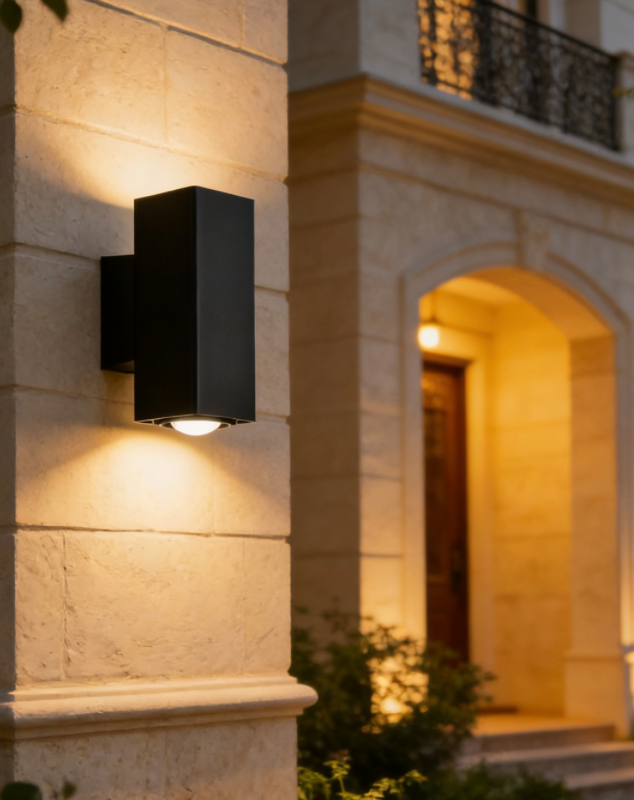
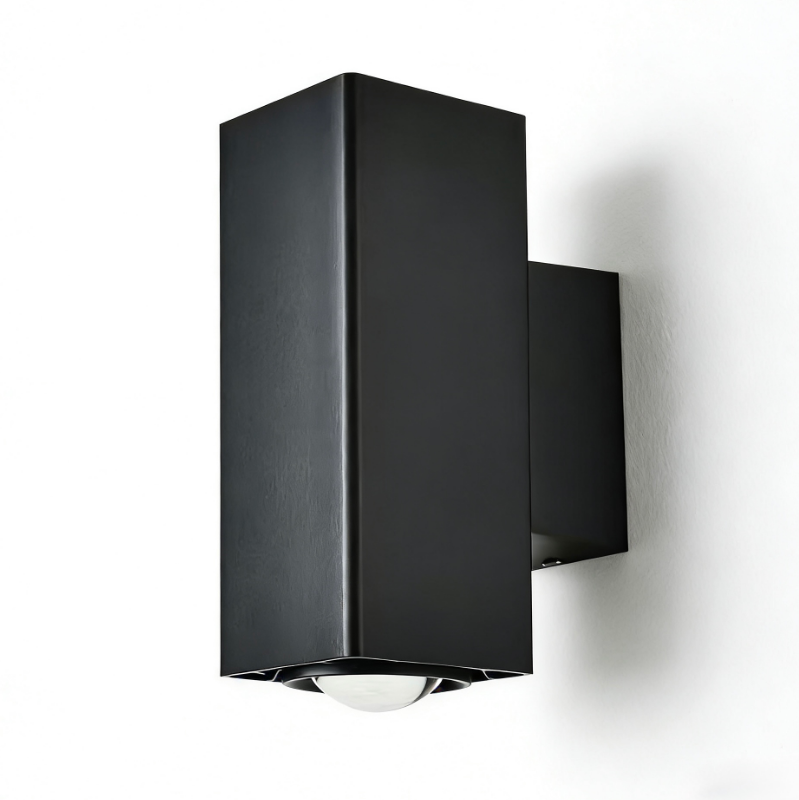
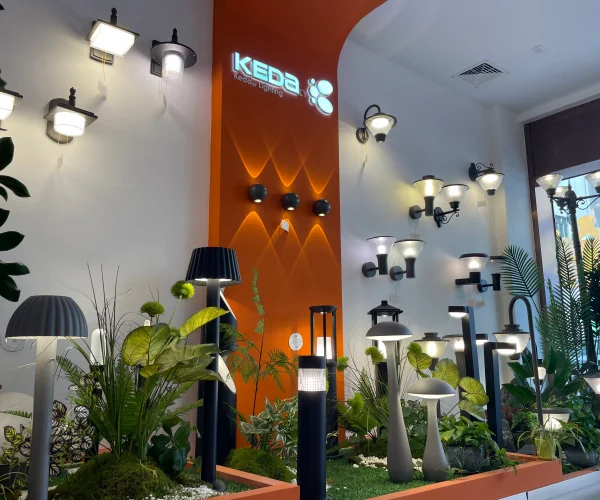
We group our outdoor range into Lawn Lamp, Spike Light, Column Lamp, and Wall Lamp categories. These categories correspond to different spatial roles. Lawn lamps can support open garden areas, spike lights can accent planting, column lamps can mark boundaries or entrances, and wall lamps can connect landscape illumination with the building edge.
The value of LED landscape lights is easier to explain when the fixture is linked to a task. An accent near a specimen tree can establish a focal point. A low fitting along a path can create rhythm. A column form at a gate can signal arrival. A wall fixture near a service passage can provide a visual reference for staff. The same property may use several roles, but the layout should remain coherent.
For a project team, this structure simplifies early discussions. A designer can identify the intended effect, a contractor can review the mounting context, and a buyer can request coordinated options from one supplier. The specification stays tied to the site plan.
Visual Hierarchy Protects the Property’s Identity
A commercial landscape becomes easier to remember when light guides attention in a deliberate order. The entrance may receive stronger emphasis, while paths provide a quieter connecting layer. Trees, textured walls, and seating areas can receive selective accents. This balance helps visitors understand the property without turning every surface into a bright display.
Fixture design contributes to that hierarchy during the day. Modern, restrained forms can sit beside contemporary architecture without becoming a competing object. We describe our outdoor range as modern and wholesale ready for custom and project use. This positioning helps buyers seeking a consistent design direction across property types.
A consistent visual language can help operators manage several properties. Related forms make replacement discussions familiar for local teams. Each site can still vary spacing and emphasis according to planting, access points, and opening hours, creating a recognizable environment that responds to local conditions.
From Lighting Layout to Long-Term Property Value
A practical review can begin with four questions: Where do people arrive? Which routes need visual guidance? What features represent the property? Which areas require staff access after dark? Answers create a brief linking lighting roles with business use. It can guide fixture selection, placement reviews, and maintenance discussions.
This method avoids treating brightness as the only measure of success. A considered layout can support orientation, strengthen evening character, and organize outdoor tasks. It also gives a distributor or contractor a clearer story for an owner because each product category has a role within the site.
When paths, entrances, planting, and façades are treated as one system, lighting can support experience and operations. Thoughtful placement improves orientation and creates a clearer night-time identity. It also gives maintenance teams a more organized environment. For a coordinated package, Keyida can discuss custom outdoor lighting requirements and suitable product categories. At Keyida, we work with B2B buyers to review the setting and fixture roles before developing a proposal.