Property development involves more than selecting attractive fixtures. Outdoor lighting must work with architecture, pathways, entrances, landscape zones, and long-term maintenance plans. Developers also need consistent products across different areas of a project. For this reason, wholesale purchasing of outdoor lighting becomes an important part of early procurement planning.
Lighting decisions made during development can affect installation, visual consistency, replacement work, and later property management. We believe developers should evaluate outdoor fixtures from both design and operational perspectives. Product appearance matters, but structure, light-source options, weather resistance, supply continuity, and customization also deserve attention.
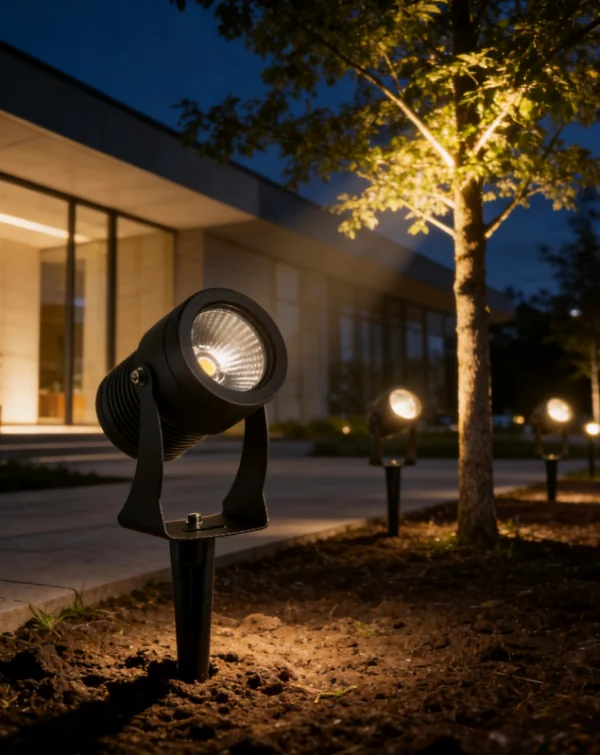
- Consistent Design Across Large Projects
Large developments often contain several outdoor zones. Building façades, entrances, gardens, pathways, and public areas may require different fixture types. Their appearance still needs to follow one overall architectural language.
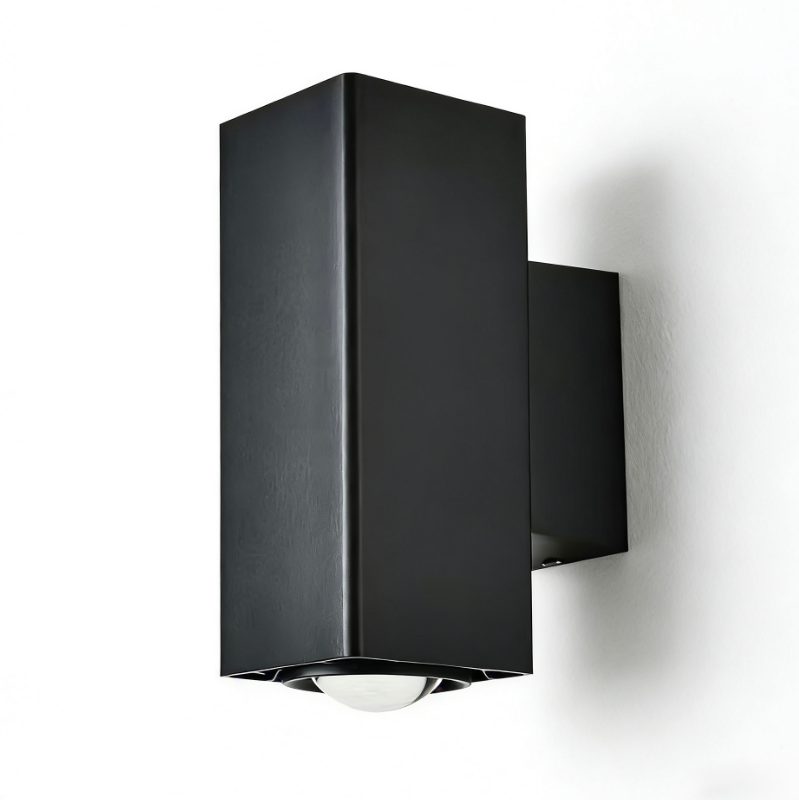
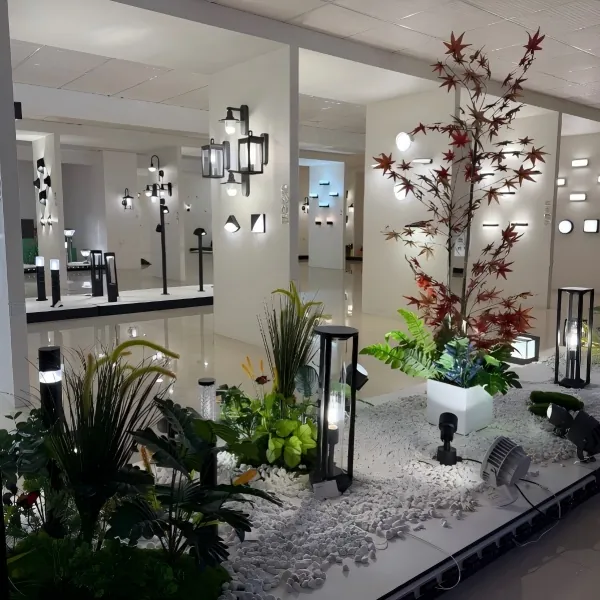
Purchasing from a coordinated product range makes this easier. Wall lights, lawn lights, column lights, and spike lights can be selected according to each area while maintaining similar materials, finishes, and design characteristics.
Developers should therefore review product families rather than individual fixtures alone. Consistent design can help architects create a more connected visual experience across the property.
- Bulk Purchasing Simplifies Project Planning
Construction schedules require materials to arrive according to installation stages. Buying outdoor fixtures individually from different sources can make quantities, specifications, and delivery arrangements more difficult to coordinate.
A wholesale outdoor lighting approach allows project teams to organize models and quantities before installation begins. It also makes communication with one manufacturing source easier when several fixture categories are required.
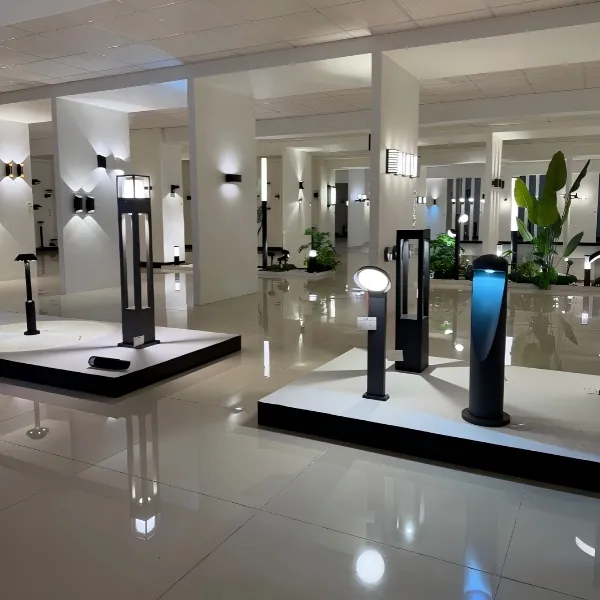
At Keyida, we operate a 7,000-square-meter production workshop and a 1,100-square-meter showroom. This setup supports product presentation, order coordination, and batch production for B2B partners.
- Outdoor Materials Affect Long-Term Performance
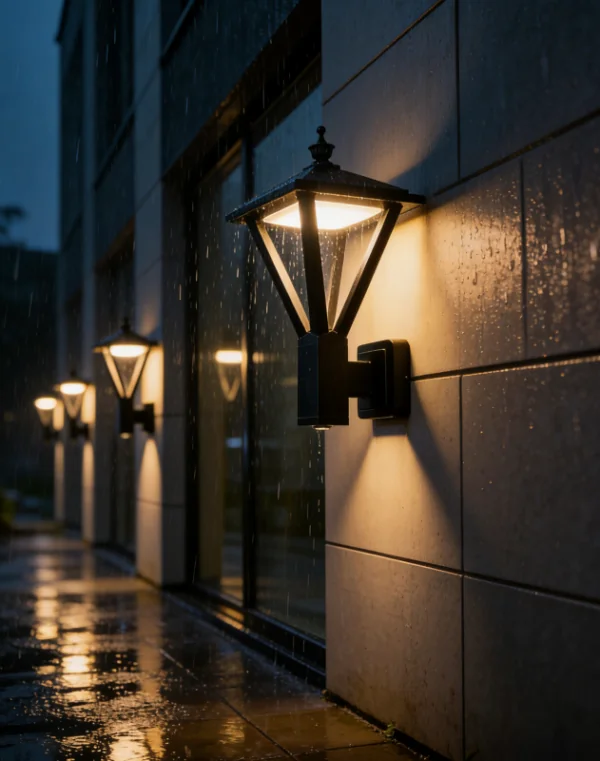
Outdoor fixtures face rain, moisture, dust, temperature changes, and regular exposure to the external environment. Developers therefore need to look beyond appearance when evaluating product construction.
Our products commonly use aluminum lamp bodies with PC or acrylic covers. Careful surface preparation before painting also affects the finish and durability of the coating. These details are particularly relevant for fixtures installed permanently outdoors.
Waterproof design should also match the intended installation environment. Project teams should discuss placement conditions with suppliers rather than assuming that the same structure suits every outdoor position.
- Replaceable Components Can Reduce Maintenance Pressure
Maintenance becomes important after a development is completed and handed over. Integrated lighting may offer a clean appearance, but project managers should also consider what happens when a light source or driver requires replacement.
We develop products with replaceable LED chips and drivers in suitable designs. Some models can also switch between LED solutions and traditional lamp-holder configurations such as E27.
This flexibility can be useful for distributors and project developers serving markets with different maintenance habits. When planning custom outdoor lighting, component accessibility should be considered alongside appearance and lighting effect.
- Customization Helps Match Architectural Requirements
Standard fixtures do not always fit every project. Different façades, landscape concepts, brand identities, and regional preferences may require adjustments to color, light output, or functional configuration.
Modern projects may require black or gray finishes, while other developments need a specific custom color. Functions such as adjustable CCT, RGB lighting, radar sensing, or PIR sensing can also be considered according to the application.
OEM and ODM cooperation gives developers and distributors another option. With custom outdoor lighting, they can discuss appearance, color, lighting configuration, and functional requirements before moving into larger production quantities.
- Distinctive Products Support Project Identity
Outdoor lighting contributes to the character of a development during both daytime and nighttime. Fixture shape is visible during the day, while light distribution influences how architectural features appear after dark.
Private-mold products can help reduce visual similarity between projects. We release new products every quarter, with many designs based on proprietary molds and a modern minimalist style.
This approach is particularly relevant for developers, lighting stores, and building-material retailers seeking differentiated collections. It allows product selection to respond to changing architectural preferences without relying only on common market designs.
- Documentation and Certification Support Project Coordination
Developers usually work with designers, contractors, purchasing teams, and installers. Clear technical information helps these groups communicate more efficiently before products reach the site.
We can provide supporting materials such as 2D drawings, high-resolution product images, and instruction documents. These resources help project teams review dimensions, appearance, installation requirements, and product details during planning.
Certification is another consideration for international sourcing. Keyida provides products with CE, RoHS, and SAA certifications for relevant markets. Our regular MOQ is 200 pieces per model, while custom colors generally start from 800 pieces per model.
Building a More Practical Lighting Procurement Plan
Outdoor lighting should be treated as part of the development system rather than a final decorative purchase. Design consistency, material construction, maintenance, customization, documentation, and supply planning can all influence how smoothly a project moves from specification to installation.
For developers, reviewing these factors early can reduce later changes and make communication with suppliers more organized. We continue to combine modern outdoor lighting design with OEM and ODM support, helping B2B partners develop fixture selections that suit project requirements, market positioning, and long-term maintenance needs.