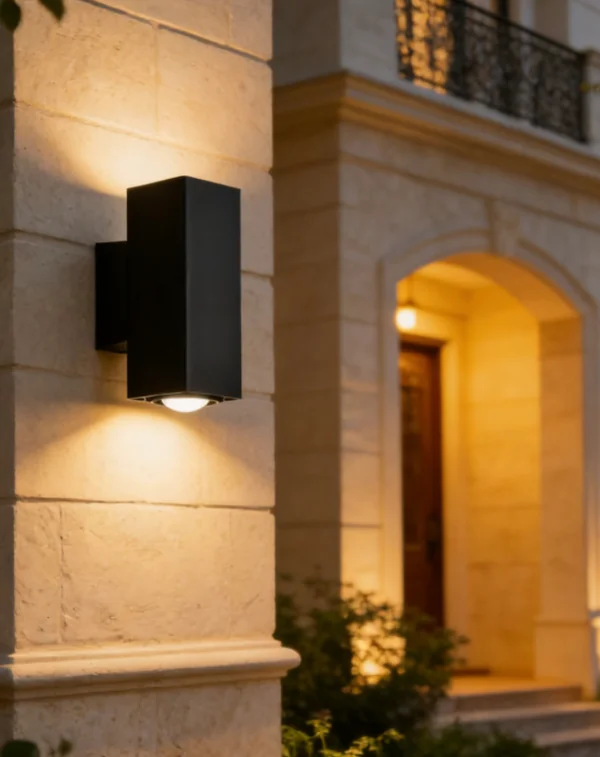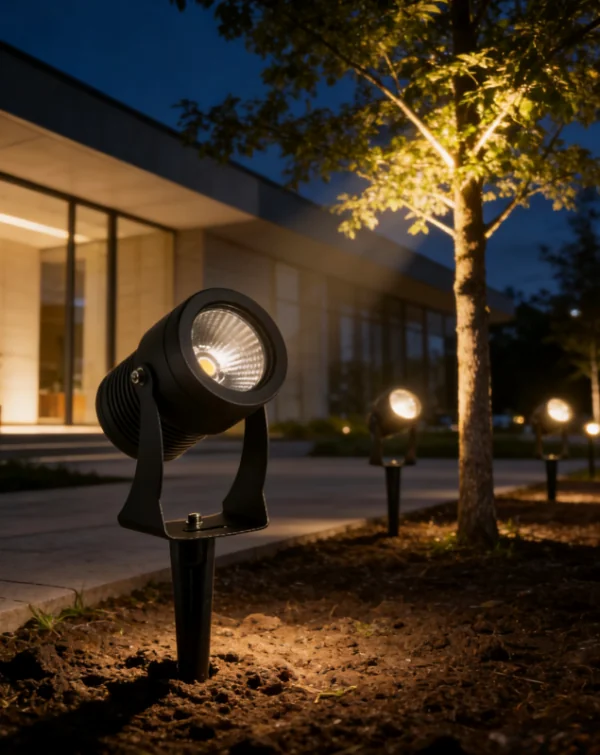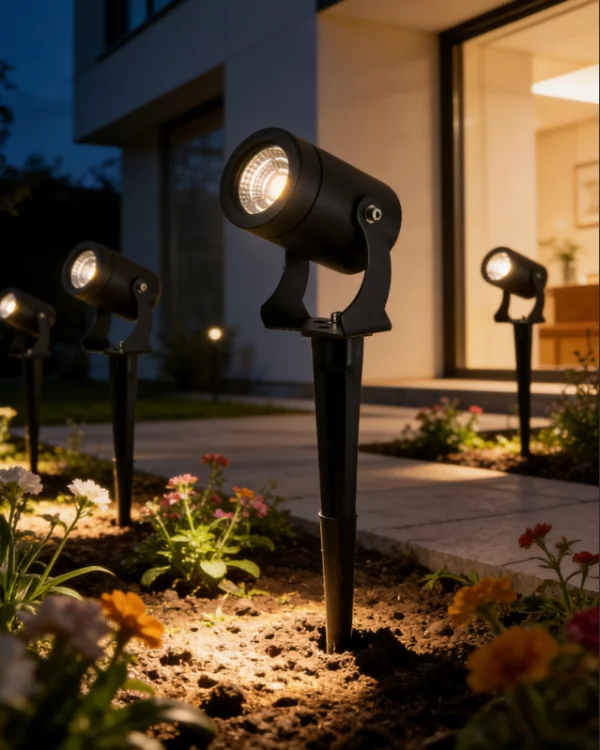
As an exterior lighting company, Keyida has observed a significant shift in outdoor lighting preferences over the past year. Traditional outdoor fixtures, such as our plug-in wall lamps with aluminum frames and PC or acrylic covers, remain popular for small-scale installations. These standard outdoor lighting solutions offer straightforward operation, energy efficiency through LED or conventional bulbs, and a reliable lifespan, supported by our three-year warranty. For many of our B2B clients, the availability of 2D drawings, high-definition images, and clear instruction manuals makes planning projects easier and more predictable. In addition, we often provide guidance on selecting lamp sizes and light intensities, helping customers match lighting to architectural features without overcomplicating the installation process.
Comparing Adaptability and Control
One important distinction between standard and intelligent outdoor lighting solutions is adaptability. Our standard lamps are designed for consistent illumination, suitable for hallways, small courtyards, or building facades. By contrast, intelligent systems integrate sensors or connectivity features that allow for dynamic lighting adjustments based on ambient light or motion. While we provide both options, our intelligent products can optimize energy use in environments with variable occupancy. For example, lights may dim automatically during daytime hours or brighten when movement is detected. These solutions still benefit from the same robust aluminum frame and coated finish, ensuring durability while offering flexible deployment across a variety of outdoor scenarios. We also make sure that all components, including LEDs and control modules, can be replaced or upgraded without requiring full fixture replacement.
Integration and Maintenance Considerations
From a maintenance perspective, Keyida emphasizes practical design. Standard lamps are simple to install and replace, while intelligent systems, although more feature-rich, require attention to software updates or sensor calibration. For B2B clients managing multiple sites, we provide detailed guidance and documentation to streamline integration. Both standard and intelligent options adhere to certifications that validate safety and performance, giving our clients confidence in long-term operation. Routine maintenance tasks, such as repainting or re-polishing aluminum frames and replacing LED bulbs, remain straightforward, demonstrating that even advanced outdoor lighting solutions do not sacrifice accessibility or longevity. Our documentation also includes troubleshooting tips, ensuring that clients can resolve minor issues without professional support, which saves time and reduces operational costs.
Assessing Value in Outdoor Projects
Ultimately, choosing between standard and intelligent outdoor lighting depends on project priorities. We often advise considering factors such as user interaction, energy monitoring, installation complexity, and aesthetic goals. Our company strives to balance technical advancement with practical performance, ensuring every solution—whether simple or connected—meets the expectations of professional installations. By leveraging detailed specifications, reliable materials, and thorough documentation, we can support clients in selecting the optimal outdoor lighting approach for both functional and visual objectives. Additionally, our team can provide consulting for site-specific lighting audits, helping decision-makers understand potential energy savings and maintenance implications before committing to a particular solution.