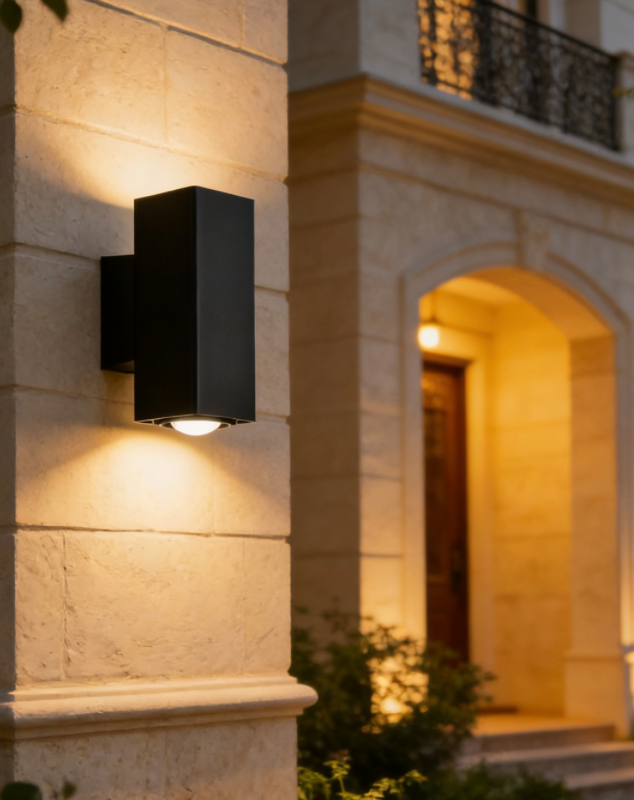
Can outdoor pier mount lights become part of a Matter-certified home automation scene simply because they use LED technology? The answer depends on the control path, not the lamp’s appearance. A villa entrance, hotel driveway, or commercial site may use Matter for schedules and scenes while the pier fixture remains a conventional powered load.
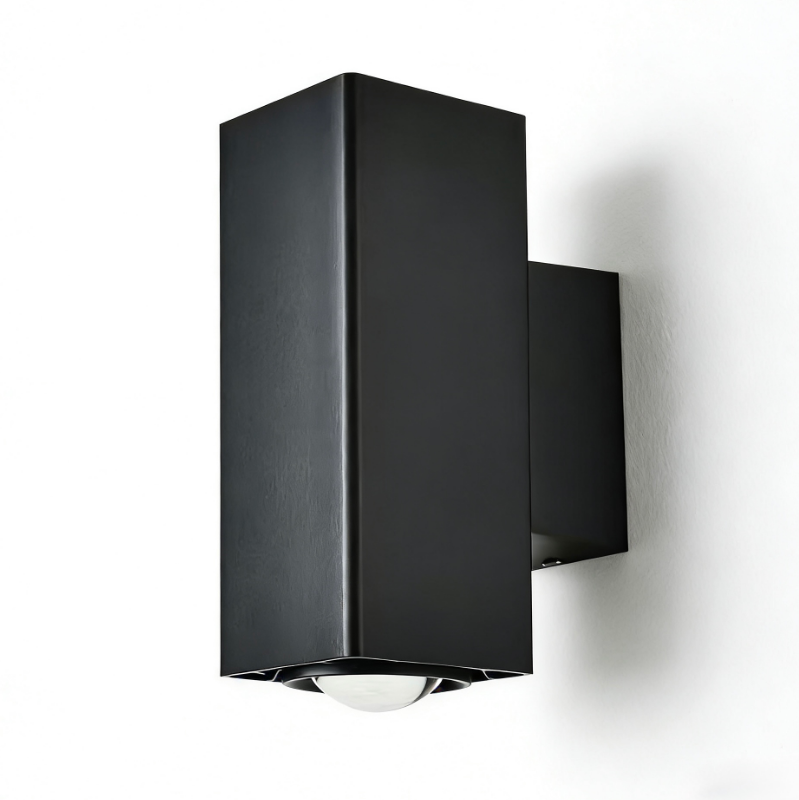
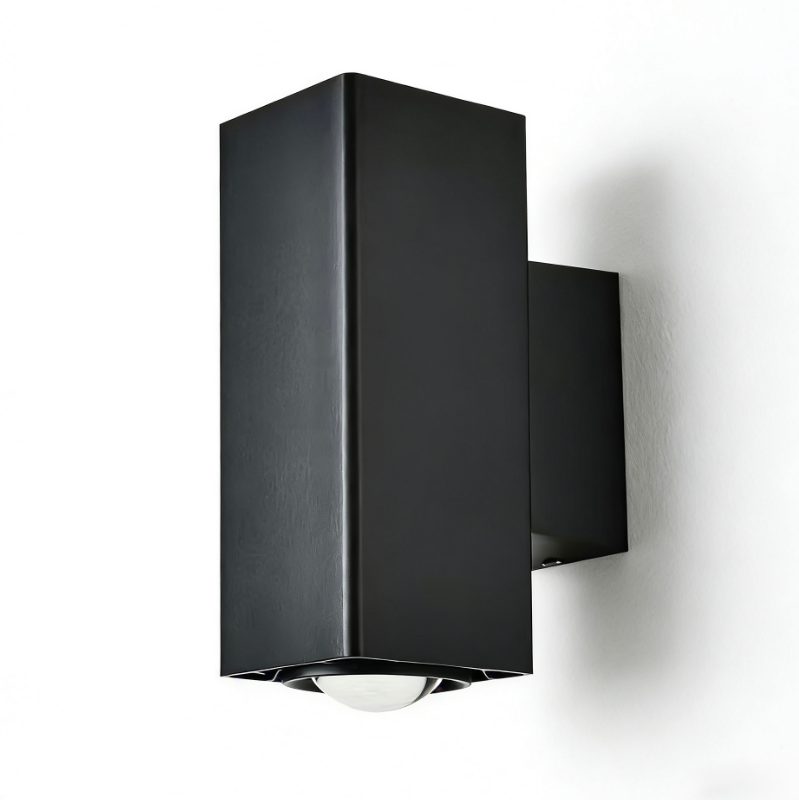
That distinction matters significantly to distributors, designers, and contractors planning repeatable installations. Our Column Lamp collection features durable aluminum bodies, replaceable LED chips, interchangeable heads, and elegant downward illumination for columns and posts. While our fixtures do not currently include Matter certification or a built-in wireless interface, we recommend a sound specification process that clearly separates fixture specifications from automation control requirements.
Start with the Fixture, Not the App
A Matter controller coordinates devices that expose a compatible interface. A lamp body does not reveal how it receives power or switching commands. Before selecting a hub, map the lighting circuit, switching point, and device that will translate automation commands into an electrical action.
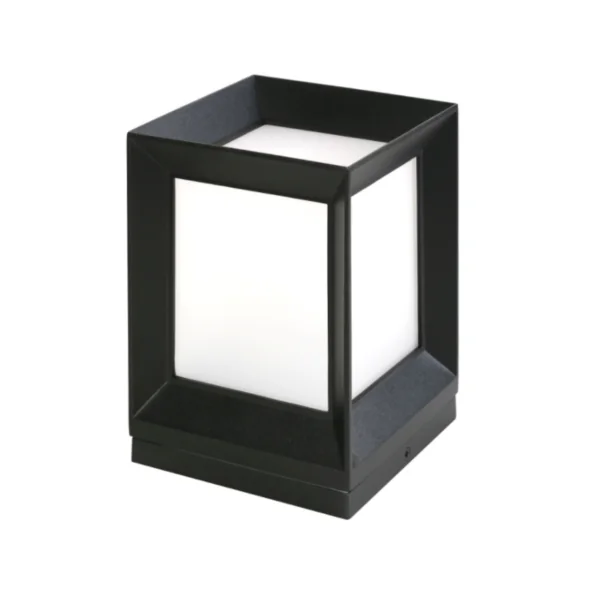
The Column Lamp range is positioned for villa columns, courtyard pillars, landscape columns, and gate posts. These locations sit along access routes where light levels, viewing angles, and maintenance access affect the experience. Record the mounting surface, cable route, operating schedule, and service access so the automation design reflects the physical installation.
A Matter-certified home automation system can serve as the supervisory layer. It may call a dusk scene, set a closing timer, or group circuits for a property manager. Whether a command reaches a pier fixture through a smart switch, relay, or another approved device depends on project design and local electrical practice.
Check the Electrical Handoff
Integration meetings are clearer when responsibilities are divided. The lighting supplier confirms fixture construction and options. The electrical contractor checks the circuit, protection, wiring method, and control hardware. The automation integrator verifies that the selected Matter device can operate that load within its published limits. Each party works from documented information.
For Keyida column lamps, the public description highlights aluminum bodies sanded
to support paint adhesion. We also note replaceable LED chips and interchangeable heads. Those features influence service planning and visual consistency. Ask for the current detail sheet when a tender requires voltage, wattage, driver, dimming, or ingress data; omit values not provided.
A handoff record can list the fixture model, quantity, finish, mounting detail, circuit identifier, control device, and responsible installer. For an OEM or ODM program, add approved color samples, head style, packaging marks, and revision numbers. This gives distributors a repeatable reference when a project is reproduced elsewhere.
Where modern pier mount lights Fit in Layered Scenes
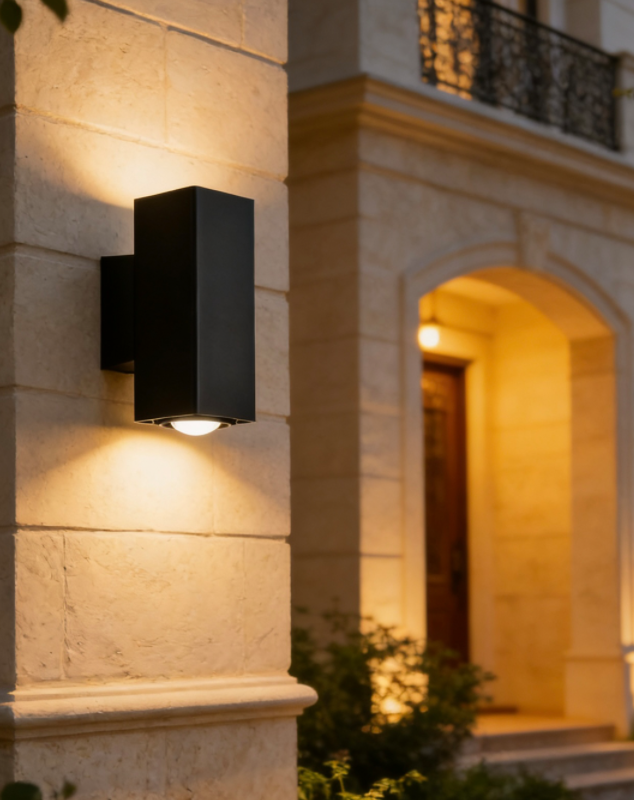
Modern pier mount lights are viewed at eye level, so their visual role differs from a high floodlight. These lights feature a simple profile and soft downward light that can help reduce glare around entries. In a Matter scene, this layer supports wayfinding while other circuits handle façade accents or security tasks.
Consider a residential arrival sequence. A dusk scene can activate gate-post fixtures, keep path lighting lower, and switch decorative zones off at a preset time. Test the sequence from the driveway, sidewalk, and interior rooms. If brightness feels excessive, adjust placement, head orientation, or circuit grouping before changing an automation rule.
Commercial properties need another view. A hotel operator may separate guest arrival, service access, and cleaning schedules. Grouping pier lamps by zone lets staff revise a schedule without rewiring every post. The platform supplies logic; the lighting plan supplies locations, optics, and maintenance notes. Keeping layers separate helps fault finding.
A Commissioning Workflow for Project Teams
Begin with a sample bay or mock-up. Install one representative column lamp, the proposed switching device, and the Matter controller. Test startup, scheduled operation, manual override, and power interruption recovery behavior according to the specifications of the selected equipment. Document delays or reset behavior before approving a larger batch.
Review physical details next. Check that the lamp head sits securely on the column, cable entry follows the approved installation method, and service staff can reach replaceable components. Confirm finish and head style against the purchase order. These checks connect the product description with a built site.
For multi-site rollouts, create a commissioning sheet for each zone. Note fixture code, controller address, scene name, installer, and test date. Keep a copy with handover documents. If a replacement uses another head or finish, update the sheet and verify the scene again.
Questions Before an OEM or ODM Order
We recommend working closely with the lighting supplier to identify which column lamp models best match the specific column dimensions and visual brief. Request detailed drawings or samples for the selected body, head, and finish, and clarify which components can be customized for the program and which remain standard. We also recommend discussing packaging, labeling, order quantity, and timing with the purchasing team.
We advise collaborating with the automation integrator to identify the Matter-certified control device and verify its electrical compatibility. Confirm the supply chain, installation responsibilities, and software configuration support. If the tender requires dimming, color adjustment, or lamp-status feedback, we recommend requesting written confirmation for the complete control chain. At Keyida, we focus on delivering high-quality column lamp fixtures, while control specifications are determined by the selected automation system.
A well-scoped connection is less about adding a smart label to a lamp and more about coordinating documented interfaces. Once fixture facts, circuit design, and the Matter layer are recorded, teams can evaluate cost, service effort, and visual results with fewer surprises. At Keyida, we support OEM, ODM, wholesale, and project discussions around our column lamp range, while final automation configuration is confirmed with electrical and controls partners.