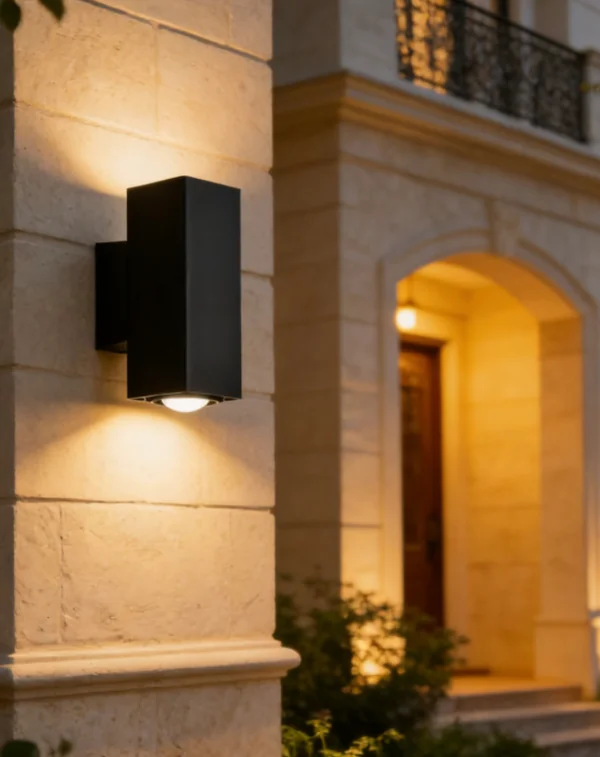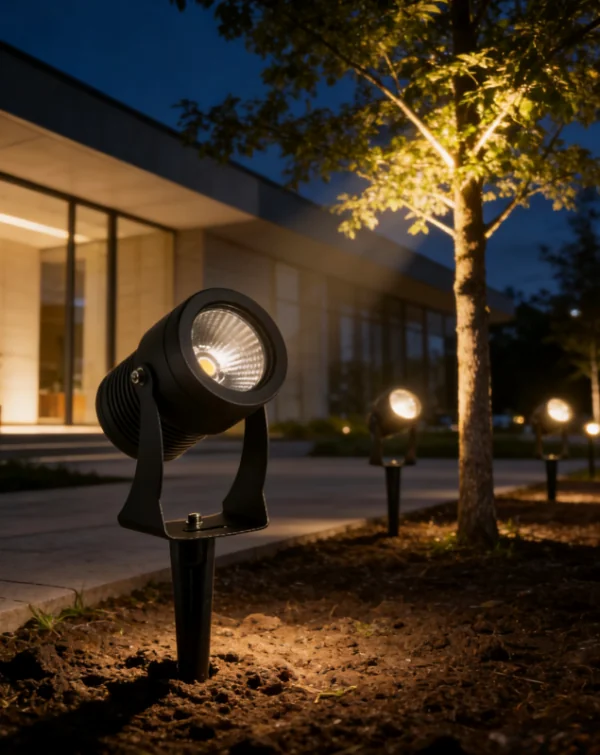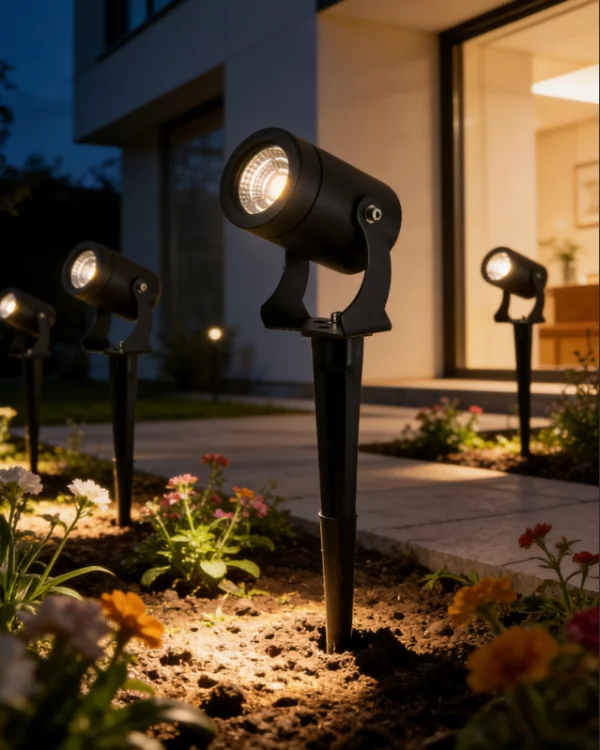
When selecting an outdoor motion sensor light, understanding the differences between PIR and microwave technologies is essential. At Keyida, we focus on modern outdoor wall lighting solutions that combine durability with efficiency. Our led outdoor lighting products, including plug-in and solar-assisted models, are designed to withstand diverse weather conditions while maintaining consistent performance. Each fixture features an aluminum frame, PC or acrylic shade, and either LED modules or standard bulbs, ensuring reliable illumination for residential and commercial spaces. We provide 2D drawings, high-resolution images, and detailed instructions to support B2B customers in their decision-making process.
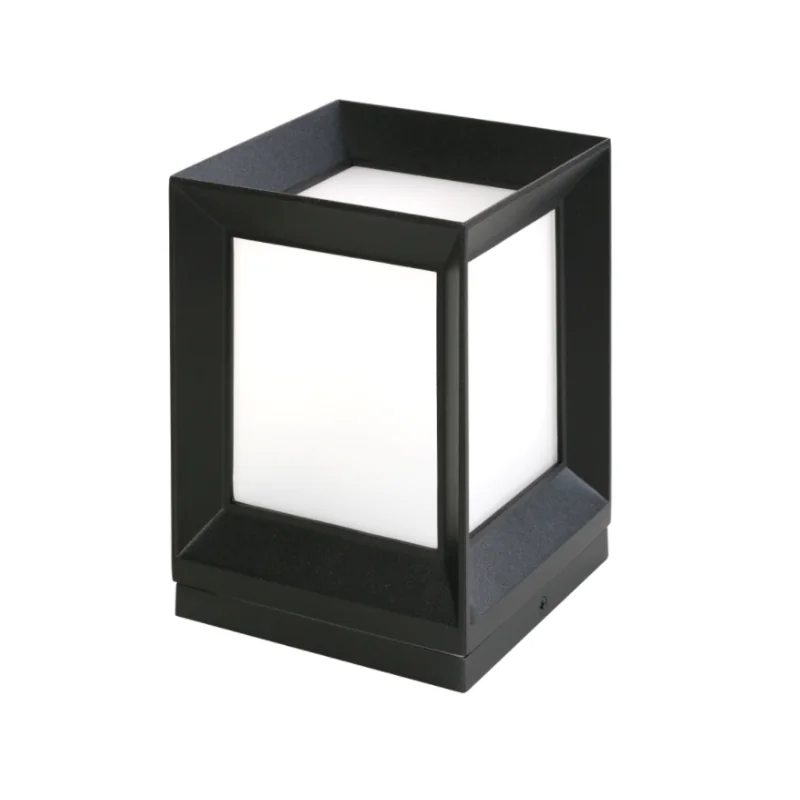
How PIR Sensors Perform in Rain
PIR (Passive Infrared) sensors detect motion by sensing heat emitted from objects. In rainy conditions, the temperature contrast between moving objects and the environment can be reduced, which may slightly impact detection sensitivity. However, in our experience, a well-sealed outdoor motion sensor light with a quality PIR sensor continues to operate reliably. At Keyida, we enhance the longevity of our units through careful surface treatment, including sanding and repainting, and all products come with a three-year warranty. By providing IP-rated housings and protective covers, we ensure that the PIR-equipped led outdoor lighting units maintain consistent performance even in persistent rain.
Microwave Sensors in Wet Environments
Microwave sensors operate by emitting high-frequency signals and measuring reflections to detect motion. Rain itself has minimal effect on signal propagation, making microwave-equipped outdoor motion sensor lights particularly stable during wet weather. In our installations, these units offer precise detection over larger areas compared to PIR alternatives. Our system’s aluminum frames and durable acrylic shades are engineered to protect internal electronics from moisture intrusion. This combination of sensor technology and robust housing design supports reliable operation, which is particularly important for B2B customers who need consistent performance in commercial or public outdoor spaces.
Balancing Detection and Practical Use
Choosing the right sensor depends on the specific environment and application. PIR sensors are energy-efficient and perform well in typical outdoor conditions, while microwave sensors provide more comprehensive coverage in challenging weather. At Keyida, we integrate both sensor types in our led outdoor lighting range, allowing clients to select products that match their site requirements. With clear technical documentation and high-quality visuals, we aim to assist procurement managers and project planners in evaluating options without guesswork. Our commitment to quality, combined with three-year warranties and certificate-backed assurance, ensures that each outdoor motion sensor light meets practical needs reliably.
Practical Guidance for Rainy Conditions
We encourage customers to consider site-specific factors such as installation height, coverage area, and typical weather patterns when selecting sensors. Both PIR and microwave-equipped led outdoor lighting have merits, and informed selection maximizes performance. At Keyida, our products are designed with real-world challenges in mind, providing durability, ease of installation, and consistent illumination in rain-prone environments. By combining technical insight with reliable materials and finishes, we support long-term, trouble-free operation for commercial lighting projects.