When planning an outdoor lighting project, understanding the difference between AC and DC systems is crucial. At Keyida, we often guide our B2B clients through the practical considerations of led outdoor lighting. Both AC and DC setups have unique characteristics that affect installation, efficiency, and long-term maintenance. While AC systems are widely available, DC setups are increasingly preferred for modern landscape designs due to their consistent performance and flexibility in integration.
Energy Considerations in Modern Lighting
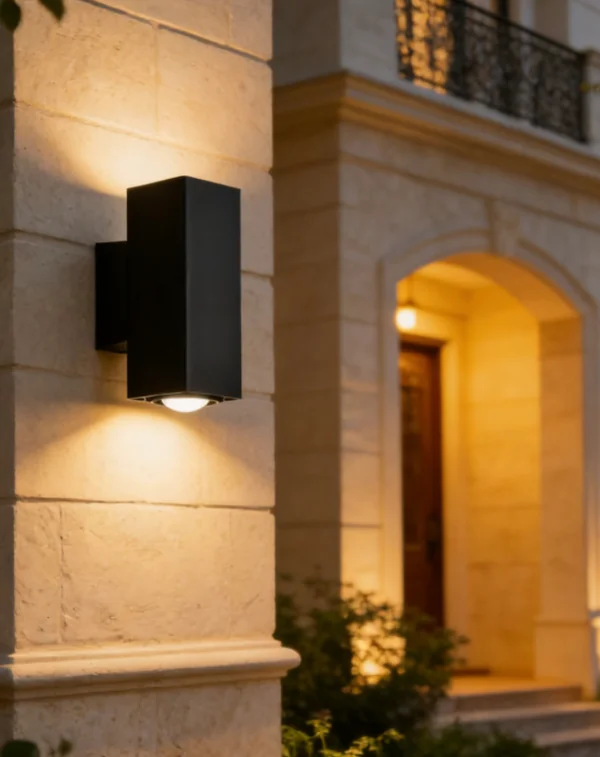
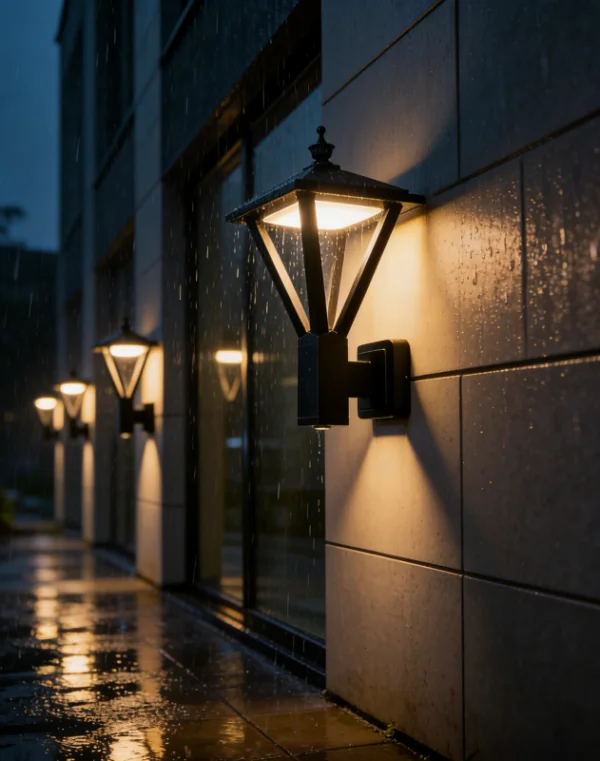
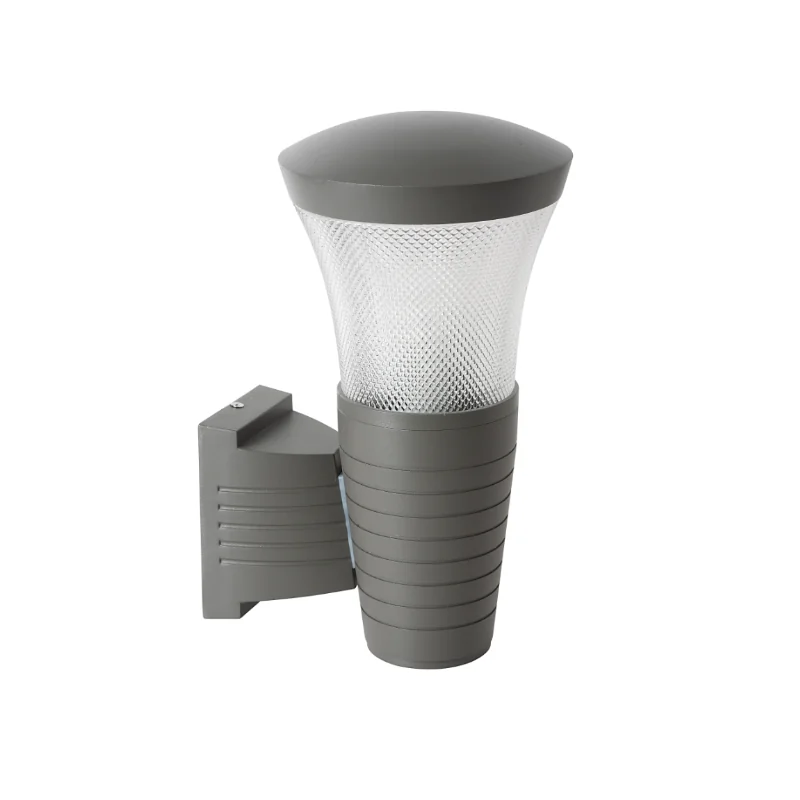
One key aspect we examine is energy efficiency. DC-powered led outdoor landscape lighting generally converts power more directly from the source, reducing losses that often occur in AC-to-DC conversion. In our experience, using DC in combination with quality inverters can lower energy consumption, particularly for small-scale modern wall lamps or architectural features. Our lamps, constructed with durable aluminum frames and PC or acrylic covers, are designed to maximize light output while minimizing energy use. By providing detailed 2D drawings and high-definition images, we help project managers make informed decisions about whether AC or DC systems best meet their site requirements.
Installation and Maintenance Insights
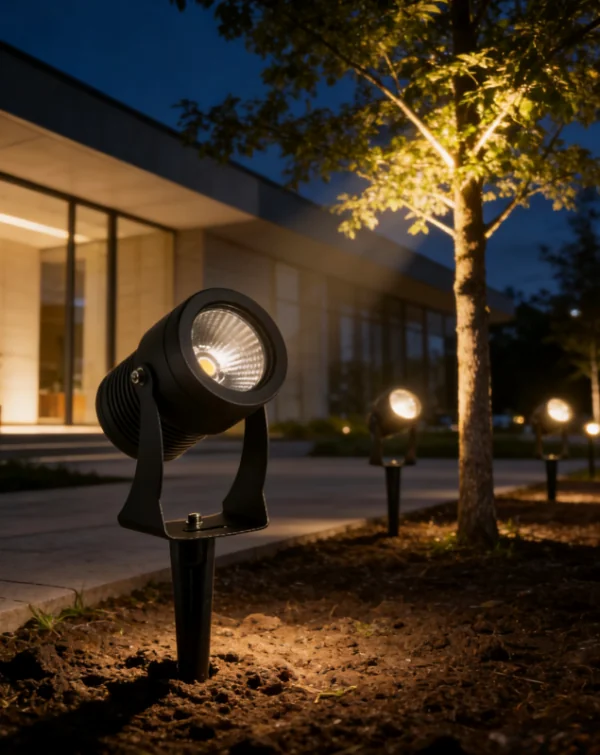
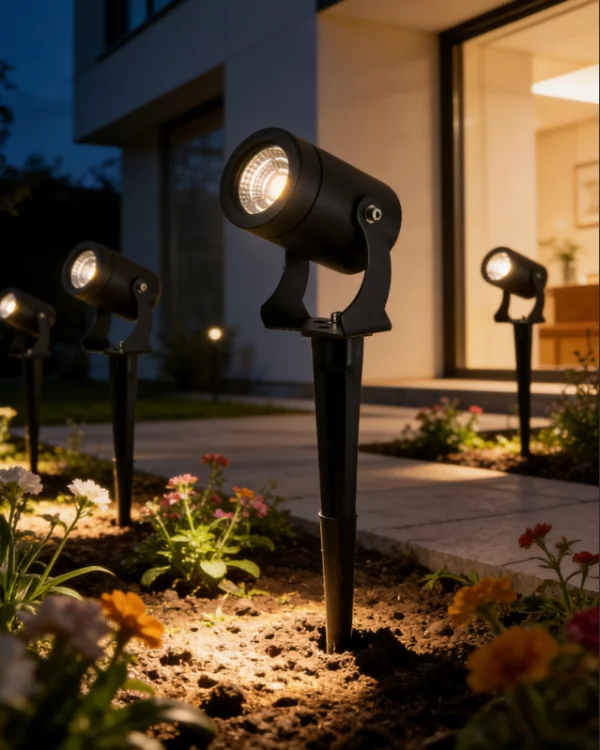
From an installation perspective, DC systems offer simplified wiring options, which can reduce labor and material costs for B2B clients. We often recommend DC-powered setups for compact led outdoor lighting fixtures, where consistent voltage ensures longevity and reliable performance. Our products are finished with precision sanding and powder coating, which helps maintain durability in outdoor conditions. Additionally, all our lamps come with clear instructions and a three-year warranty, supporting long-term client confidence. AC setups, while more familiar, can require additional components like transformers and fuses, which increase complexity in landscape projects.
Choosing the Right Inverter Setup
Selecting an appropriate inverter is essential for maximizing efficiency. In our company’s projects, we balance upfront costs with operational savings, often suggesting inverters that match the power profile of our led outdoor landscape lighting. DC inverters can deliver stable output even for smaller lamps, reducing flickering and enhancing the aesthetic appeal of the lighting design. For installations involving multiple fixtures, DC setups can simplify control systems, enabling smoother dimming options and integration with smart lighting solutions.
Practical Takeaways for Landscape Projects
We encourage clients to evaluate both AC and DC systems in the context of their specific projects. Our experience shows that DC-powered led outdoor lighting generally provides superior energy efficiency and easier integration for modern wall lamps and decorative landscape applications. By offering certified products, high-quality materials, and comprehensive visual aids, we support project teams in choosing setups that balance performance, aesthetics, and maintenance requirements. Whether designing a small courtyard or a larger outdoor space, our company’s solutions ensure practical, durable, and visually appealing outcomes.