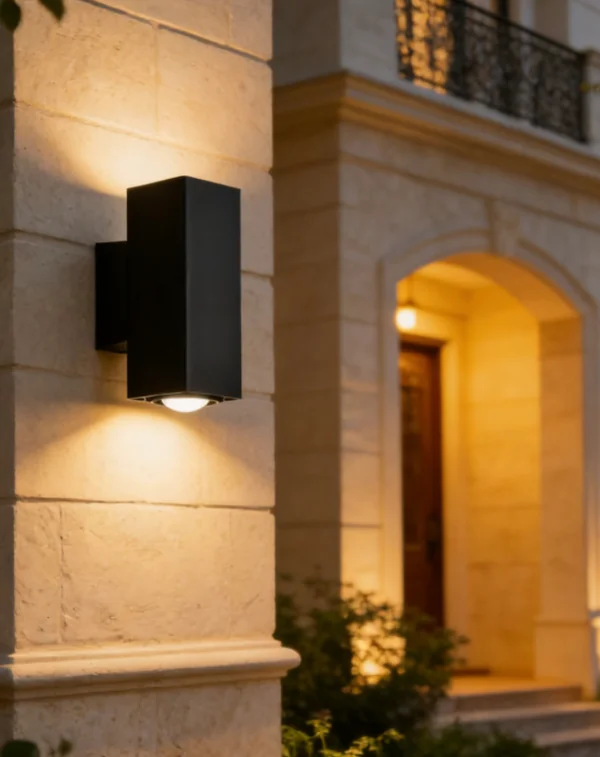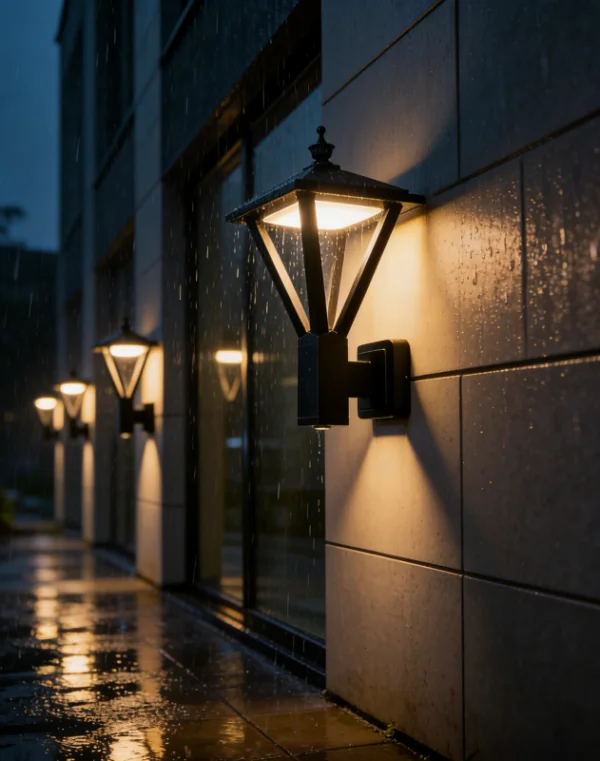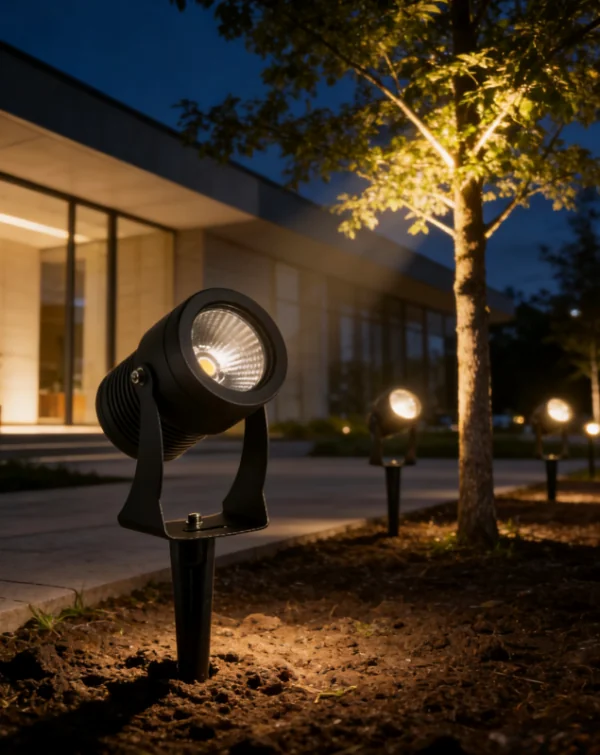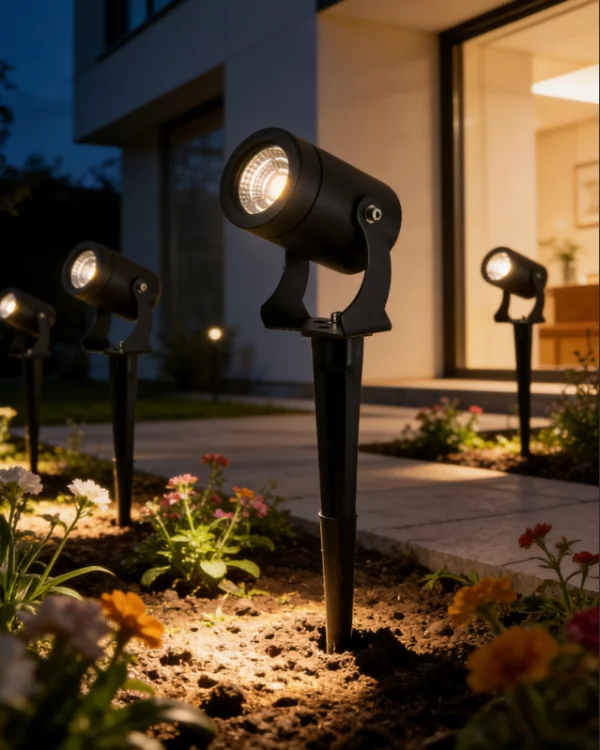
We at Keyida design and manufacture outdoor lighting systems for B2B projects that require stable structure and long-term outdoor performance. In many engineering cases, selecting the right installation method for decorative and functional lighting is as important as choosing the fixture itself. In this article, we explain how to install pier mount lighting systems using a structured, field-oriented approach aligned with our project experience. The concept of best custom outdoor post lights for home is also often referenced in planning discussions for architectural lighting layouts.
Best Custom Outdoor Post Lights for Home installation planning
Before installation begins, we usually start with a site survey and structural evaluation. At Keyida, we check mounting surfaces such as concrete piers, stone caps, or metal bases to confirm load capacity and cable routing feasibility. Electrical access points must be defined early to avoid later reconstruction.
We also verify waterproofing conditions and IP rating requirements. Outdoor lighting installation is not only about fixing a lamp but ensuring environmental resistance and long-term electrical safety in exposed architectural areas.
Outdoor Pier Mount Light Fixtures Structural Positioning Method
When working with outdoor pier mount light fixtures, correct positioning is the foundation of installation quality. We usually recommend marking the center point of the pier cap before drilling to maintain symmetry and visual alignment in architectural layouts.
Our installation teams also help verify that the fixture base matches the pier diameter.Misalignment at this stage can affect both aesthetic consistency and structural stability, especially in elevated outdoor lighting environments exposed to wind or vibration.
Wiring Preparation and Underground Routing System
Electrical preparation is a key stage in pier mount installations. Wiring must be routed through protective conduits to prevent moisture intrusion and mechanical damage. At Keyida, we often design systems where cables are pre-routed through internal pier structures.
Installers should confirm voltage compatibility and isolate power before connecting any fixture components. Proper grounding is also required to help maintain safety in outdoor electrical environments.
Surface Drilling and Anchor System Setup
Once positioning is confirmed, drilling begins using appropriate masonry tools depending on the pier material. We recommend using corrosion-resistant anchor bolts to secure the base plate firmly to the surface.
During this stage, dust removal is important to help achieve tight anchoring. Any remaining debris inside drilled holes can reduce grip strength and affect long-term fixture stability.
Electrical Connection and Insulation Handling
After mechanical fixation, wiring connection is completed according to local electrical standards. At Keyida, we always emphasize insulation quality at every junction point to prevent leakage currents or short circuits.
All wire joints should be placed inside waterproof junction boxes. This step is essential for maintaining system reliability in outdoor environments exposed to rain and temperature variation.
Sensor and Functional Integration Options
Modern pier mount lighting systems may include additional functions such as PIR motion sensing or light control modules. These features are increasingly used in landscape and architectural lighting projects to improve energy efficiency.
At Keyida, we design fixtures that support modular upgrades, allowing installers to integrate sensors without modifying the main housing structure.
Product Structure Reference in Installation Planning
One example from our engineering portfolio is the B0474 OUTDOOR LIGHT (IP54). It uses a die-casting aluminum housing combined with a PC lampshade, offering stable outdoor performance in different environments. The light source supports a 1×E27 configuration, allowing flexible bulb replacement.
Its size specification is Ø165 × H220 mm, which makes it suitable for compact pier cap installations where balanced proportions are required between structure and lighting element.
Alignment Calibration and Visual Adjustment
After installation, alignment must be checked from multiple viewing angles. Even slight deviations can affect the overall visual symmetry of architectural lighting layouts.
We at Keyida usually recommend adjusting fixture rotation before final tightening. This ensures consistent light projection direction across multiple pier-mounted fixtures within the same project.
Weather Resistance and Sealing Verification
Outdoor lighting must be tested for sealing integrity after installation. Silicone sealing layers and rubber gaskets should be inspected carefully to prevent water ingress.
In our project experience, improper sealing is one of the most common causes of long-term maintenance issues. Therefore, verification at this stage is essential for stable operation.
Installation Checklist for Project Consistency
A complete installation checklist helps maintain consistency across multiple fixtures. At Keyida, we include steps such as structural inspection, wiring verification, grounding confirmation, and waterproof testing in every project workflow.
For systems related to best custom outdoor post lights for home, installation planning often includes additional aesthetic coordination with surrounding architectural elements to maintain visual balance across the façade.
Maintenance Access and Long-term Service Design
We design many of our lighting systems with maintenance accessibility in mind. Modular LED drivers and replaceable components reduce downtime during servicing and simplify long-term operation.
Installers should aim to keep junction boxes accessible after installation.This allows easier inspection and replacement without dismantling the entire pier mount structure.
Environmental Adaptation and Material Stability
Outdoor pier lighting must withstand different environmental conditions such as humidity, heat, and coastal air exposure. Our aluminum housing structures help improve corrosion resistance and structural stability.
Surface treatment processes also contribute to durability, ensuring that the fixture maintains its appearance and function over extended use cycles in outdoor installations.
Installation Conclusion and System Reliability Perspective
When installing outdoor pier mount light fixtures, we believe success depends on coordination between structural preparation, electrical safety, and product design compatibility. At Keyida, we focus on ensuring each step supports long-term operational stability rather than only initial installation success.
For systems related to best custom outdoor post lights for home, careful installation planning directly influences lighting performance and maintenance efficiency over time. A well-executed pier mount installation creates a stable foundation for consistent architectural lighting results.