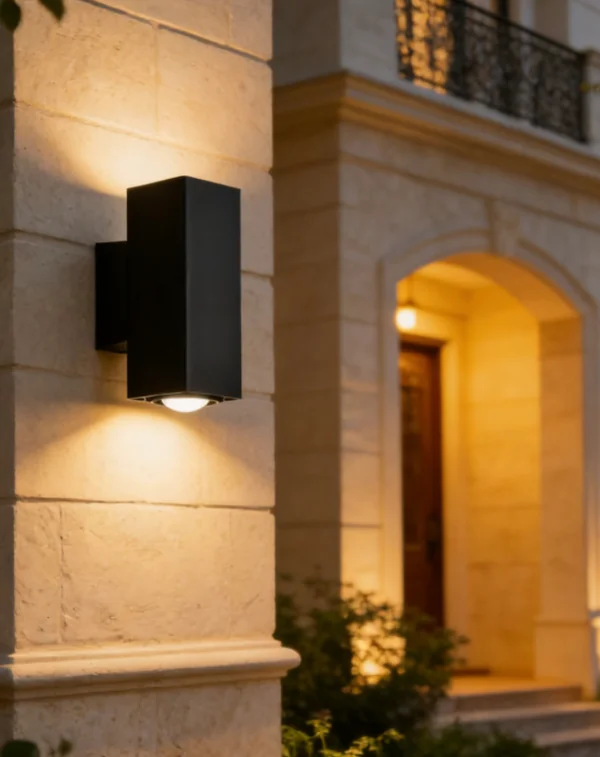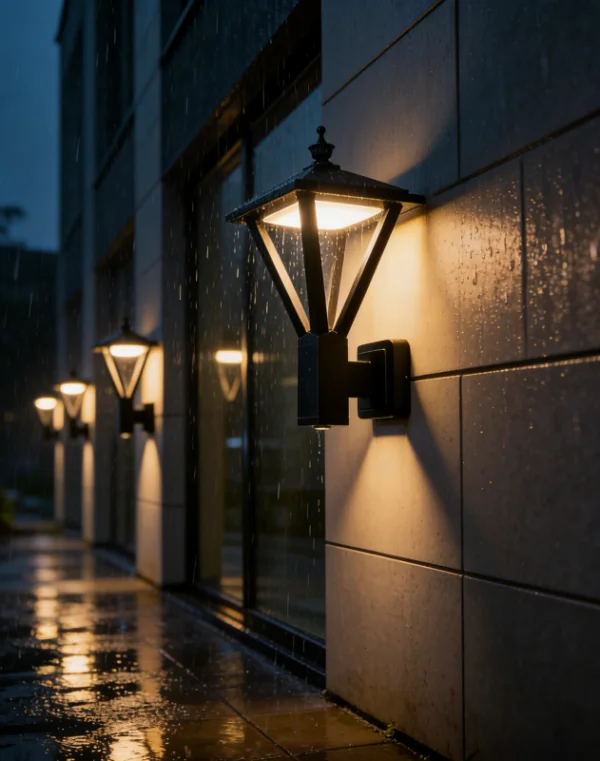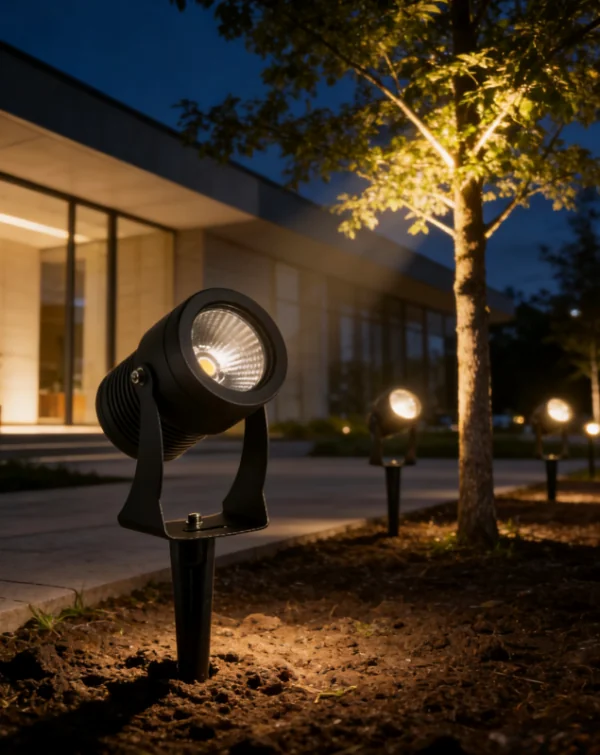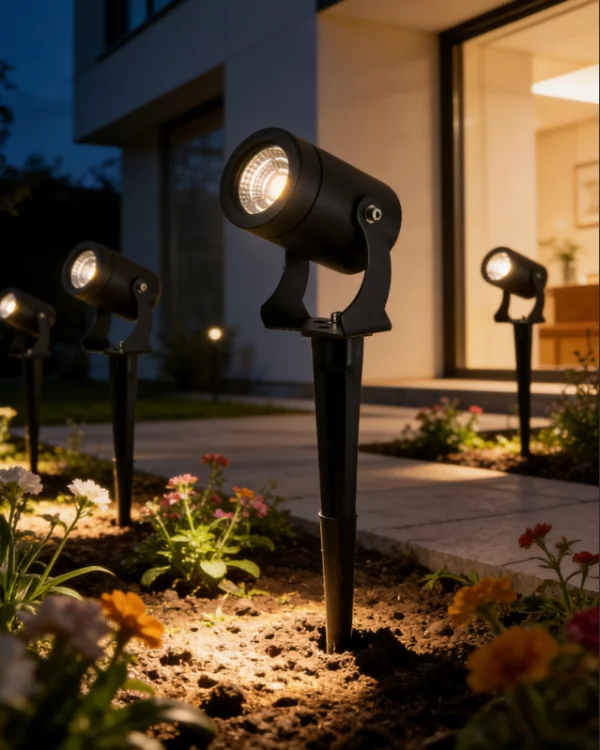
We at Keyida operate as a post light company focused on designing and manufacturing modern outdoor lighting solutions for B2B partners. In many architectural and landscape projects, lighting mounted on piers, columns, or walls plays an important role in both safety and visual structure. This article explains what a pier mount light is, how it is used, and how our product design supports real installation scenarios in commercial and engineering environments.
Exterior Pier Mount Lights Installation Context
As an exterior pier mount lights supplier, we often work with contractors who install lighting on fence posts, gate pillars, and masonry piers. These fixtures are designed to sit on flat mounting surfaces, usually at the top of a structural column. Their purpose is to provide both directional illumination and architectural definition in outdoor spaces.
In Keyida’s engineering practice, pier mount systems must match the structural load and wiring layout of the installation site. This ensures stability under outdoor conditions such as wind, rain, and temperature changes, which are common in long-term façade lighting projects.
Structural Design and Material Considerations
Pier mount lights are typically built with corrosion-resistant materials to withstand outdoor exposure. At Keyida, we use die-casting aluminum housings combined with PC or acrylic lampshades to improve durability while maintaining optical clarity. This structure supports consistent light diffusion in exterior environments.
Inside many pier mount systems, LED or E27 lamp holders are integrated depending on project requirements. This allows flexibility for maintenance and replacement, which is particularly important for commercial and municipal lighting installations.
Electrical Configuration and Lighting Stability
When designing outdoor lighting systems, electrical stability is a key factor. In many pier mount applications, wiring is routed internally through the column or pier to avoid external exposure. This reduces risk of water ingress and improves long-term safety performance.
A typical configuration we supply includes stable LED drivers or interchangeable lamp systems. This design helps maintain consistent brightness output while allowing installers to adjust lighting components based on project needs.
Product Example in Practical Application
One of our engineering references is model B0473 OUTDOOR LIGHT (IP54). It features a die-casting aluminum housing with a PC lampshade, designed for outdoor structural integration. The fixture uses a 1*E27 light source, allowing compatibility with standard lamp types used in architectural lighting.
The unit size is Ø150 × H220 mm, making it suitable for compact pier or column installations where balanced proportion and mounting stability are required. This type of structure is commonly used in residential gates, commercial entrances, and landscape pathways.
Installation Process and Site Preparation
During installation, surface preparation is critical. Pier tops must be leveled and sealed before mounting fixtures. At Keyida, we recommend verifying cable entry points before fixing the base plate, ensuring that wiring alignment matches the internal conduit path.
For many exterior pier mount lights projects, installers also apply waterproof gaskets between the fixture base and mounting surface. This step helps improve resistance against rainwater penetration and maintains long-term operational stability in outdoor environments.
Functional Features in Modern Lighting Systems
Modern pier mount lighting is no longer limited to basic illumination. Many systems now integrate adjustable light temperatures, including CCT tuning and RGB color options. These functions are often used in commercial landscapes and architectural lighting designs.
As a post light company, we design modular lighting systems that allow flexibility in both light source selection and control methods. Some configurations also support PIR or radar sensing modules for energy-saving operation in low-traffic periods.
Maintenance and Long-Term Operation Strategy
Maintenance accessibility is an important factor in pier mount system design. In Keyida’s product structure, LED drivers and lamp holders are designed to be replaceable, reducing the need for full fixture replacement during servicing cycles.
Routine inspection typically includes checking sealing conditions, electrical joints, and surface coating integrity. These steps help maintain the lighting system remains stable in long-term outdoor use, especially in humid or coastal environments.
Engineering Role in Landscape Lighting Projects
Pier mount lighting is often used in coordinated landscape systems rather than standalone installations. It works together with wall lights, pathway lighting, and façade illumination to create visual continuity across outdoor spaces.
We at Keyida support OEM and ODM development for project-based lighting requirements. This allows our engineering partners to adapt pier mount designs according to architectural style, installation height, and environmental conditions.
Durability and Surface Treatment Process
Durability is closely linked to material preparation. In our production process, aluminum housings are finely polished before painting to improve coating adhesion. This helps extend surface performance under UV exposure and weather changes.
Powder coating or spray finishing is commonly used in pier mount fixtures to help maintain a stable appearance over time. This is especially important in public or commercial installations where long-term visual consistency is required.
Conclusion: Understanding Pier Mount Lighting in Real Applications
From a system perspective, pier mount lighting is a combination of structural mounting design, electrical safety, and optical performance. At Keyida, we approach it as part of a broader outdoor lighting framework rather than a standalone fixture type.
As a post light company, we continue to develop solutions that support different architectural environments while maintaining installation practicality. Whether used in residential gates or commercial entrances, pier-mounted systems help define outdoor spaces with both function and structure.