We at Keyida focus on practical outdoor lighting solutions designed for residential and commercial façade applications. In many projects, correct installation is as important as product selection, especially when dealing with external environments exposed to humidity, rain, and temperature changes. This article explains a structured approach to installation while also sharing design considerations based on our engineering experience in outdoor lighting systems.
Planning Installation for Custom Outdoor Wall Lights Systems
Before installing custom outdoor wall lights, we always start with a site assessment. At Keyida, we evaluate wall material, power access points, and mounting height to support structural compatibility. Most installations involve concrete, brick, or coated exterior panels, and each requires different anchor methods.
We also check IP-rated sealing requirements to confirm outdoor suitability. Electrical isolation is prepared before drilling begins. This step helps reduce wiring exposure risks and ensures the installation aligns with standard electrical safety practices used in exterior lighting systems.
Electrical Preparation and Layout for Modern Lighting Projects
When working with modern outdoor wall lamps, we usually recommend planning the wiring route before physical mounting. This includes identifying junction box positions and ensuring cable protection through conduits suitable for outdoor exposure.
Keyida designs many fixtures with aluminum housings and PC or acrylic covers, which helps stabilize heat dissipation after installation. During setup, installers should confirm voltage compatibility and driver stability before connecting to the main supply line.
Mounting Surface Preparation and Structural Alignment
Surface preparation is a critical step that we emphasize in all Keyida projects. The wall must be cleaned, leveled, and checked for internal piping before drilling. This prevents structural damage and ensures stable fixture positioning.
For models like our A0696 series product, pre-drilled mounting templates are often used to improve alignment accuracy. Proper anchoring ensures long-term fixture stability, especially in outdoor environments exposed to wind and moisture.
Fixing Process and Installation Accuracy Control
During installation, we position the bracket carefully and secure it using corrosion-resistant screws. At Keyida, we recommend tightening gradually rather than fully locking at once, allowing fine adjustments for alignment.
This step ensures that lighting direction remains consistent with façade design requirements. Installers should also verify that sealing gaskets are correctly placed to prevent water ingress at connection points.
Wiring Connection and Safety Verification Stage
Electrical connection is performed only after confirming power isolation. We typically guide installers to connect live, neutral, and ground wires according to local electrical codes. Proper insulation is required at every joint.
At Keyida, many products are designed with replaceable LED drivers, which simplifies maintenance after installation. This structure reduces long-term servicing effort and supports stable operation in outdoor conditions.
Light Performance Adjustment after Installation
After powering the system, beam direction and brightness levels should be adjusted. Depending on project needs, color temperature settings or RGB configurations may be tested to match façade design goals.
In some configurations of custom outdoor wall lights, we integrate optional sensor modules such as PIR or radar detection. These features should be tested during this stage to confirm correct activation distance and response timing.
Product design considerations in installation efficiency
Our engineering team at Keyida designs fixtures with installation efficiency in mind. Many of our product structures use modular housing systems, reducing the complexity of wall mounting steps.
In the modern outdoor wall lamps category, we often integrate E27-compatible lamp holders or LED module systems. This allows installers to switch between light sources depending on project requirements without changing the entire fixture body.
Weather resistance and long-term operation checks
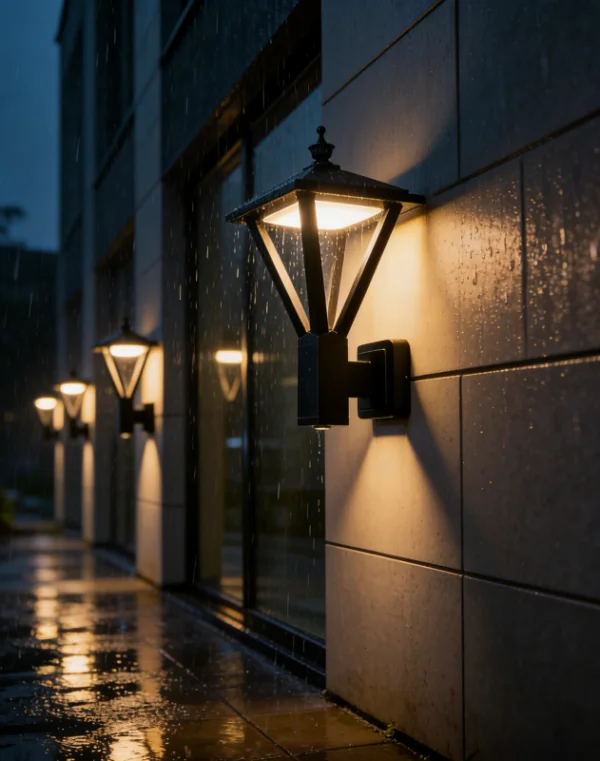
Outdoor lighting systems must be tested for sealing performance after installation. We recommend checking rubber seals, glass covers, and joint points to help maintain resistance against rain and dust exposure.
Keyida products are designed with coated aluminum bodies and treated surfaces to improve durability. However, installers still need to verify installation integrity on-site, especially in humid or coastal environments.
Maintenance planning after installation completion
Once installation is complete, we suggest setting a maintenance schedule based on project scale. LED drivers and light sources should be inspected periodically to help maintain stable output performance.
For many custom outdoor wall lights applications, maintenance access is simplified through detachable housings. This design allows replacement of components without removing the full fixture from the wall surface.
Design flexibility in modern architectural lighting
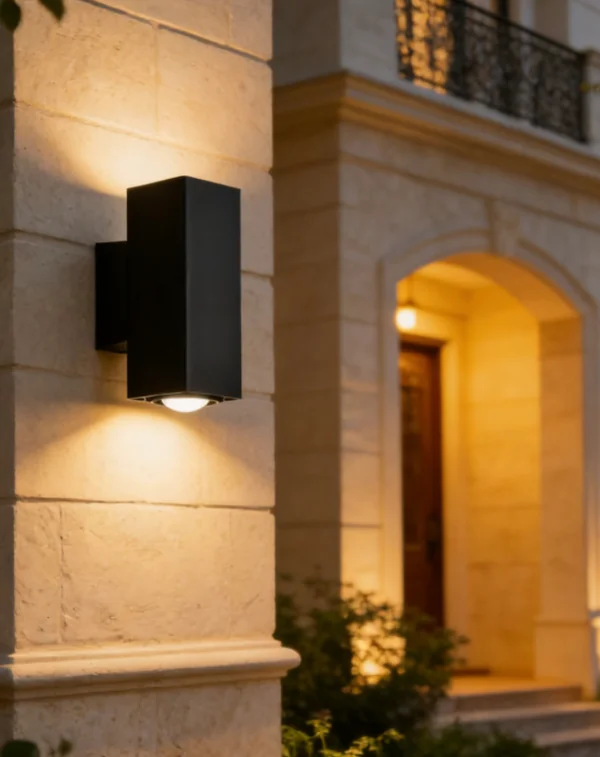
In projects using modern outdoor wall lamps, lighting is often integrated into architectural aesthetics rather than treated as standalone equipment. We at Keyida support OEM and ODM customization to match different façade styles.
Color options such as black and grey are commonly used in engineering projects, but customized finishes are also available. This flexibility helps lighting blend into different building environments while maintaining functional performance.
Conclusion
At Keyida, we believe outdoor lighting installation is a combination of structural preparation, electrical safety, and product design understanding. When each step is properly executed, the system can maintain stable performance in real outdoor conditions.
Whether using standard fixtures or modular lighting systems like modern outdoor wall lamps, installation quality directly influences long-term usability. Our approach ensures that both functionality and maintenance efficiency are considered from the beginning of each project.