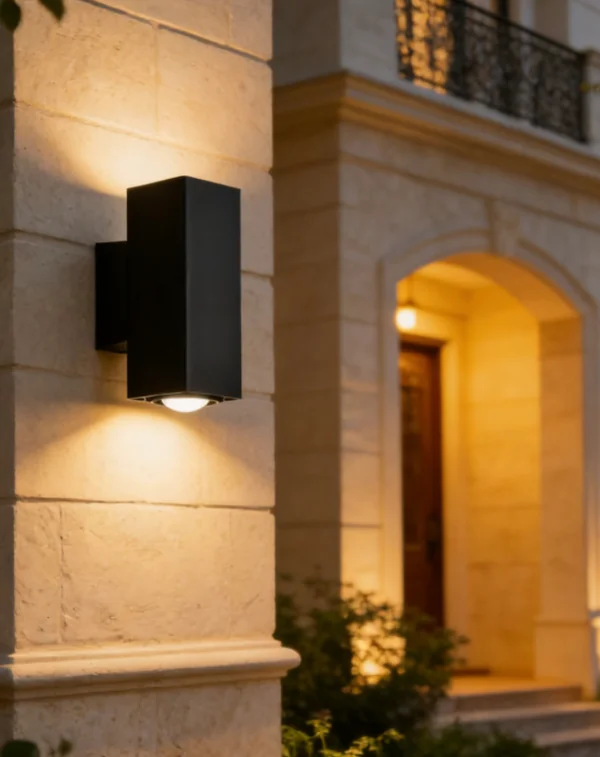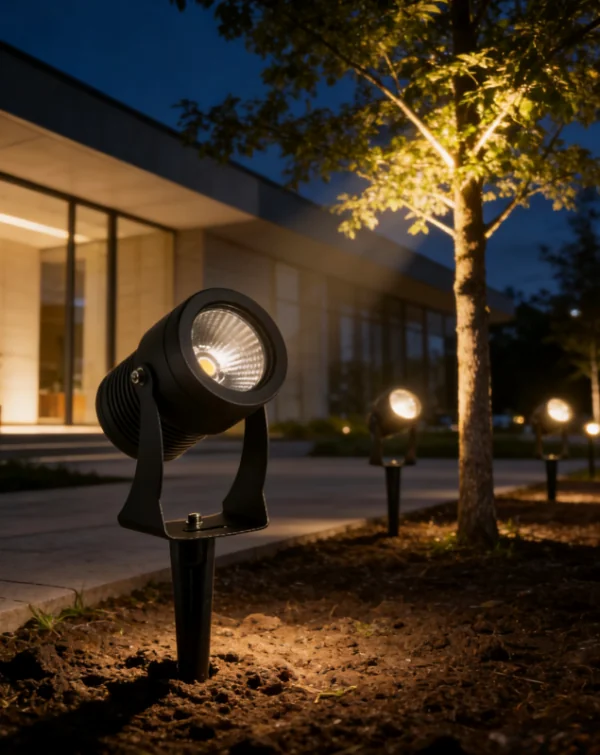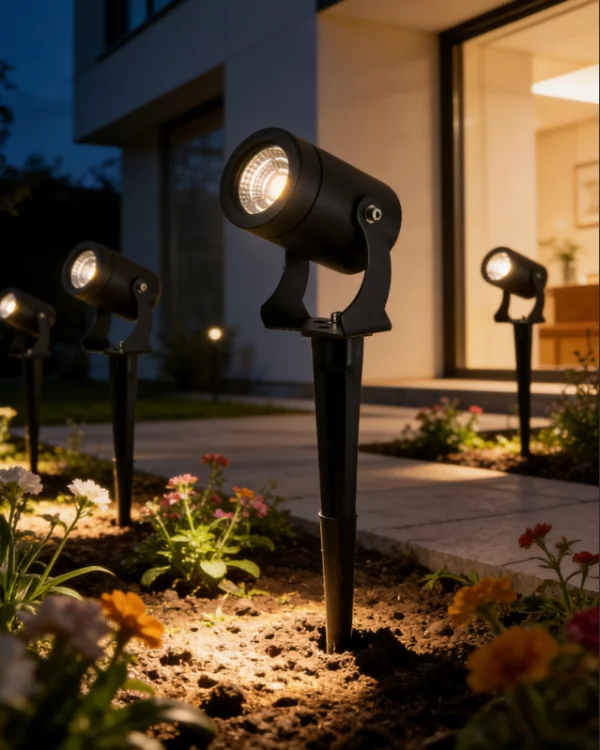
We at Keyida work closely with bollard light manufacturers projects that focus on structured installation planning rather than isolated fixture setup. In outdoor engineering, installation is not only about fixing the light body but also about aligning electrical safety, ground conditions, and long-term maintenance access. Our approach emphasizes consistency across different project scales, especially for commercial and landscape lighting systems.
Planning Process for Outdoor Bollard Lights Installation
Before installing outdoor bollard lights, we start with a structured site evaluation. This includes checking soil hardness, surface leveling, and cable routing paths. In many B2B projects, underground conduits are pre-installed to reduce later disruption during mounting. We also verify voltage stability and check compliance with local electrical codes before any physical installation begins on site.
Engineering Preparation and Structural Considerations
In our Keyida projects, installation planning always considers structural resistance and environmental exposure. Outdoor lighting systems must withstand moisture, temperature changes, and mechanical stress. We evaluate anchor depth and base stability to help keep the fixture aligned over time. This step is especially important for commercial walkways and public landscape lighting layouts.
Product specification integration for B0378 installation
The B0378 OUTDOOR LIGHT (IP54) is commonly used in pathway and garden applications. It features a die-casting aluminum housing with a glass lampshade, and uses a 1*E27 light source. The size is Ø145 × H320 mm, making it suitable for compact ground lighting layouts. We integrate this structure into installation planning to help achieve correct spacing and wiring depth.
Mounting Foundation and Positioning Accuracy
During installation, foundation preparation is essential for stability. A concrete base is typically used to secure the fixture anchor bolts. We verify that vertical alignment is checked before final tightening. Small deviations at this stage may affect lighting direction and visual uniformity, especially in linear landscape arrangements where spacing consistency is required.
Wiring Connection for Outdoor Bollard Lights Systems
When installing outdoor bollard lights, wiring is routed through pre-installed underground conduits. We always recommend isolating power before connection. The live, neutral, and grounding wires must be connected according to electrical safety standards. In Keyida projects, waterproof connectors are often used to reduce long-term exposure risks in outdoor environments.
Safety Verification and System Activation Process
After wiring is completed, we perform insulation testing and circuit verification before powering the system. This step ensures that there are no leakage risks or unstable voltage conditions. Once activated, we check each fixture individually to confirm consistent illumination and stable electrical performance across the installation area.
Light Positioning and Environmental Adaptation
Proper positioning is important for achieving balanced illumination. We adjust installation spacing based on pathway width and surrounding landscape elements. Lighting direction is tested to reduce glare while maintaining functional visibility. In some projects, lighting angles are slightly adjusted after initial activation to better match environmental conditions.
Maintenance Planning and Long-term Stability
We design installation systems with maintenance accessibility in mind. Fixtures are installed in a way that allows easy replacement of LED components or E27 bulbs without dismantling the entire base structure. Regular inspection is recommended for checking sealing conditions, especially in humid or coastal environments where moisture exposure is higher.
OEM and ODM Flexibility in Installation Systems
At Keyida, we support OEM and ODM cooperation for outdoor bollard lights projects, allowing different structural and functional adjustments based on client requirements. This includes customization of color finishes, sensor integration, and housing design. Our installation guidance is adapted to support compatibility with different project specifications and engineering standards. Electrical stability considerations in bollard light manufacturers projects
In bollard light manufacturers engineering workflows, electrical stability is a core factor influencing long-term performance. We verify that drivers and LED systems are compatible with local grid conditions. In many cases, replaceable LED modules are used to simplify future maintenance and reduce downtime during servicing operations.
Installation Quality Control and System Validation
After full installation, we conduct a final system review covering alignment, brightness consistency, and waterproof sealing integrity. This step ensures that all fixtures operate under expected conditions. Any minor deviation is adjusted on site to maintain uniform lighting performance across the entire installation layout.
Conclusion: Installation Logic Behind Reliable Outdoor Lighting Systems
From planning to final testing, installing landscape lighting requires a structured engineering approach rather than isolated fixture placement. At Keyida, we focus on combining structural preparation, electrical safety, and product adaptability into a unified installation process. Whether using standard configurations or customized systems, the goal is stable long-term operation in real outdoor environments.