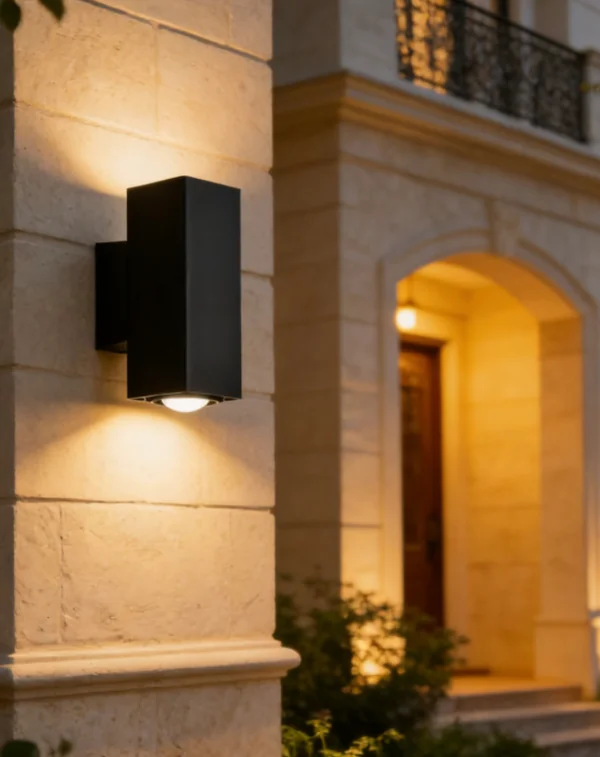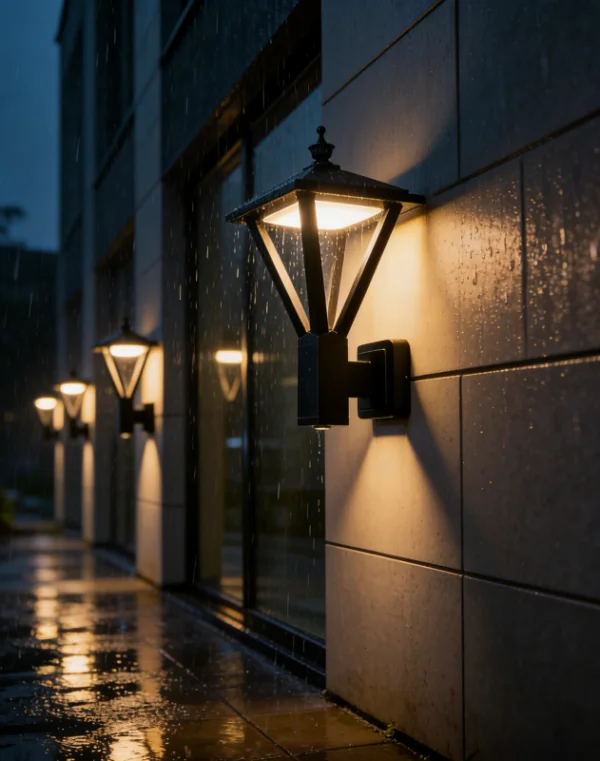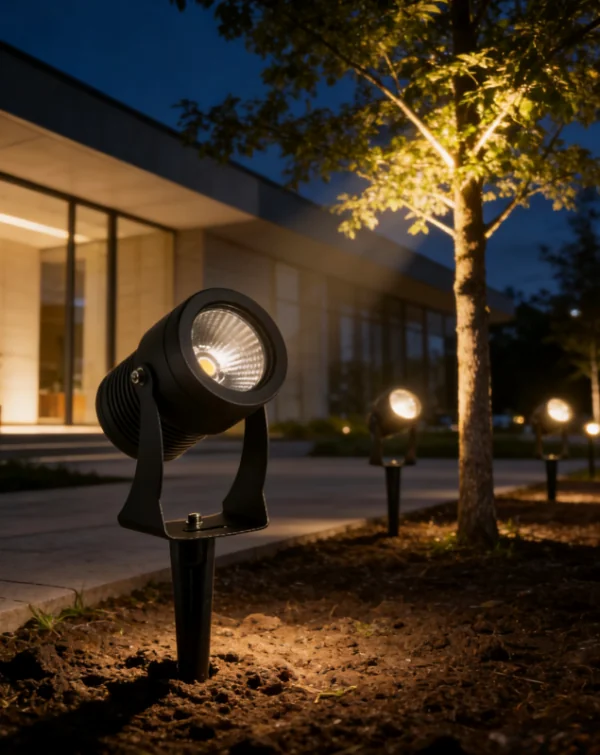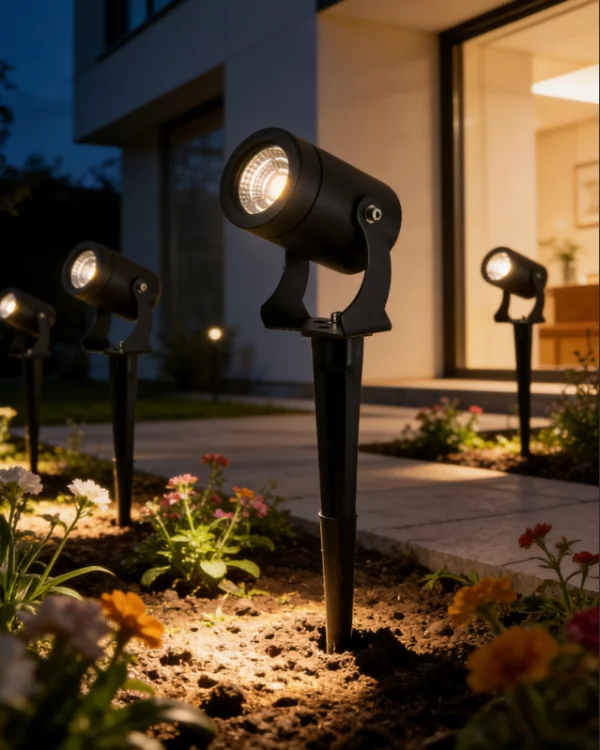
We at Keyida design and manufacture outdoor lighting solutions for B2B architectural and landscape projects. A common question in many projects is whether outdoor lighting can safely get wet under real environmental exposure. In practice, this depends on IP protection level, sealing structure, and installation quality. As an exterior lighting company, we focus on system-level durability rather than only appearance. In many garden lighting system applications, moisture resistance becomes a key design requirement.
Installation Considerations for Exterior Lighting Company Systems
When working as an exterior lighting company, we always evaluate environmental exposure before installation begins. Outdoor wall lighting is constantly affected by rain, humidity, and temperature changes, so sealing design and mounting structure must work together. Keyida designs aluminum-based housings with PC or acrylic covers to improve resistance to water intrusion. Electrical isolation and wall surface preparation also play a role in reducing long-term moisture risk in real installation environments.
Waterproof Design Principles in Outdoor Lighting Systems
Water resistance in outdoor lighting is not only about sealing rings but also about internal structure design. At Keyida, we separate LED modules, drivers, and wiring compartments to reduce direct exposure. Venting balance is also considered to avoid condensation buildup inside fixtures. These engineering choices are particularly important for façade lighting and courtyard projects, where garden lighting syste components are exposed to long operating hours under changing weather conditions.
Site Preparation and Real Installation Practices
Before mounting fixtures like our A0696 series product, installers must inspect wall integrity and cable routing paths. This model is designed with structured mounting points that support stable alignment on concrete and brick surfaces. During installation, we recommend checking conduit protection and ensuring that junction boxes remain sealed. These steps reduce the possibility of water entering through cable entry points, which is often a more critical risk than surface rain exposure.
Electrical Safety and Moisture Protection Strategy
Electrical safety is closely linked to moisture control in outdoor environments. We at Keyida recommend grounding verification before system activation. All wiring connections should be insulated using outdoor-rated connectors to prevent water seepage over time. In many garden lighting syste installations, junction points are the most sensitive areas, so proper sealing and strain relief design are essential for maintaining long-term system stability under continuous outdoor operation.
Material Selection and Structural Resistance
Material choice directly influences how outdoor lighting responds to wet conditions. Keyida uses aluminum housings because they provide both structural strength and thermal stability. PC and acrylic diffusers are selected based on transparency and impact resistance. These materials help maintain enclosure integrity even in humid environments. For an exterior lighting company, balancing corrosion resistance and heat dissipation is a key part of long-term product reliability.
Product Function Integration in Outdoor Environments
Modern outdoor lighting systems often include additional functional modules such as CCT adjustment, RGB lighting, and motion sensing. At Keyida, we integrate PIR or radar sensors in selected models to improve energy efficiency in outdoor applications. These functions must be protected properly within sealed housings to avoid moisture damage. In real-world garden lighting syste deployments, sensor positioning also affects long-term operational consistency.
Manufacturing and Quality Control Approach
Our production process includes surface treatment, pre-paint polishing, and sealing inspection before final assembly. This ensures that each fixture meets outdoor durability requirements before leaving our facility. As an exterior lighting company, we maintain quality consistency across batch production through controlled assembly procedures. Every product undergoes testing to confirm sealing performance and electrical stability before shipment to international B2B projects.
Product Design for Maintenance and Serviceability
Ease of maintenance is an important part of outdoor lighting design. Keyida structures many products with replaceable LED drivers and modular internal components. This allows maintenance teams to service fixtures without fully removing wall installations. In some garden lighting syste configurations, this reduces downtime in large-scale landscape projects where lighting continuity is required for both safety and visual consistency.
Environmental Adaptation in Real Projects
Outdoor lighting systems must operate across different climates, including coastal humidity, urban pollution, and seasonal rainfall. Keyida products are designed to adapt to these conditions through sealed housings and corrosion-resistant finishes. We also provide OEM and ODM customization to match project-specific requirements. As an exterior lighting company, we often adjust structural details based on regional installation standards and environmental conditions.
Conclusion: Understanding Wet Exposure in Outdoor Lighting
So, can outdoor lights get wet? In practical engineering terms, they are designed to handle controlled exposure, but performance depends on design quality and installation accuracy. At Keyida, we combine structural design, sealing engineering, and material selection to support stable operation in real environments.Whether applied in façade lighting or garden lighting syste projects, reliability comes from system integration rather than a single component.